In the summer of 2018, during a high-stakes series against South Africa, the Australian cricket team didn't just lose their composure; they lost their reputation. The incident, now etched into the annals of sporting history as 'Sandpapergate,' involved a calculated attempt to manipulate the cricket ball using sandpaper. The fallout was swift and devastating. Captain Steve Smith, vice-captain David Warner, and batter Cameron Bancroft were identified as the architects of the plot, sent home in disgrace to face the consequences of their actions.
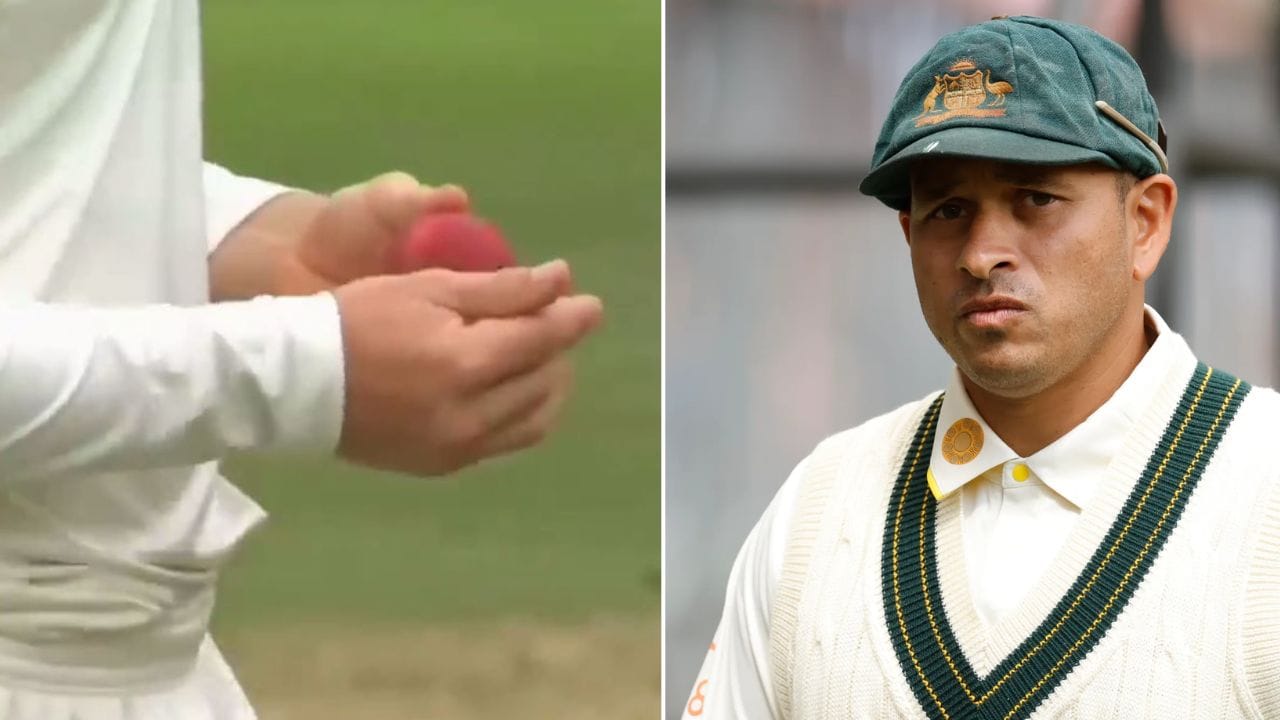
At the time, the official investigation conducted by Cricket Australia painted a specific picture of the transgression. It was a localized conspiracy, a breach of ethics confined to three specific players. The investigation concluded that Smith, Warner, and Bancroft were the only three individuals with prior knowledge of the tampering plan. For years, this remained the definitive narrative: a rogue cell within a prestigious team had broken the code of conduct, leaving the rest of the squad in the dark.
That narrative has now been violently disrupted. In his upcoming autobiography, former Australian cricketer Usman Khawaja has stepped forward with a claim that threatens to dismantle the established history of the scandal. Khawaja is not merely suggesting a lapse in oversight; he is alleging a systemic failure of integrity. According to Khawaja, the deception was not a secret kept by three men, but a shared understanding that permeated the entire squad.
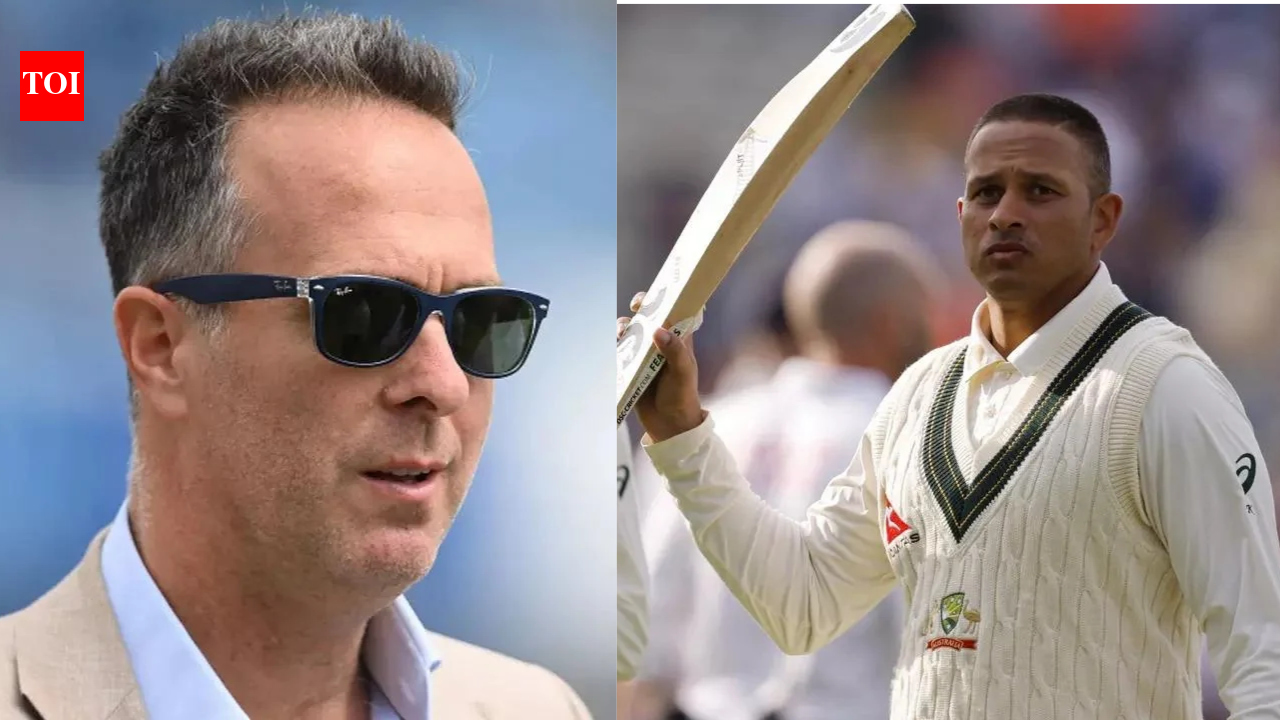
Michael Vaughan, the former England captain, reacted to the claims with biting sarcasm.
"It was all of us," Khawaja writes, offering a blunt assessment that contradicts nearly a decade of official findings. "Not the batters, not the bowlers, not the staff. All of us." If Khawaja’s account is accurate, the scandal was not an isolated incident of individual misconduct, but a collective silence that spanned the entire Australian dressing room during that fateful series against South Africa.
This new testimony creates a profound tension with the public record. In 2021, the core of the Australian bowling attack—Pat Cummins, Mitchell Starc, Josh Hazlewood, and Nathan Lyon—all issued public denials, stating they had no knowledge of the ball-tampering plan. Their stance was clear: the bowlers were bystanders to a crime they did not witness and did not authorize.
Even the leadership of the team at the time has offered a different perspective. Former coach Darren Lehmann has pushed back against the idea of a widespread conspiracy, stating, "I don’t think everybody would have known." Lehmann’s view aligns with the official Cricket Australia findings, which maintained that the knowledge was restricted to the three players who ultimately faced the brunt of the disciplinary actions: Smith, who received a one-year ban; Warner, who was suspended for 12 months; and Bancroft, who was banned for nine months.
As Khawaja’s words begin to circulate, the reaction from the wider cricketing world has been a mixture of disbelief and weary cynicism. The reopening of a wound that many believed had finally scarred over has drawn sharp criticism from those who feel the sport should look toward the future rather than litigating the past.

Michael Vaughan, the former England captain, reacted to the claims with biting sarcasm. For Vaughan, the revelation feels less like a groundbreaking discovery and more like the unveiling of an obvious truth that everyone had already sensed. "So we finally now know the most hidden secret in the game … all the Aussie team knew about the sandpaper … 8 yrs later it all comes out … no shit Sherlock … now can we just move on …" Vaughan remarked, questioning the utility of revisiting a controversy that has already caused immense damage to the sport's image.

MICHAEL VAUGHAN TAKES A SARCASTIC DIG AT KHAWAJA 👀 Reacting to Khawaja’s revelations about the 2018 Sandpaper scandal, Vaughan wrote: “All the Aussie team knew about the sandpaper… 8 years later it all comes out… no s**t Sherlock… now can we just move on.” #CricketUpdates
Despite the seismic nature of Khawaja's claims, the institutions governing the game appear unmoved. Cricket Australia has maintained its original investigation findings, standing by the conclusion that the tampering was the work of Smith, Warner, and Bancroft alone. The governing body's position suggests a refusal to allow a single memoir to overturn a formal, multi-faceted inquiry.
This creates a standoff between the lived experience of a former player and the formal record of a sporting institution. Khawaja’s assertion suggests that the 'Sandpapergate' scandal was not just a failure of three players, but a failure of the entire culture of the team during that period. It suggests that the silence of the bowlers and staff was not born of ignorance, but of complicity.
As it stands, the truth of the 2018 scandal remains caught between two conflicting versions of reality. On one side is the official history: a contained incident involving three players who were punished accordingly. On the other is Khawaja’s version: a collective secret that involved every member of the squad, from the batters to the bowlers and the support staff.
Whether Khawaja’s autobiography serves as a long-overdue correction of the record or merely a provocative reopening of an old debate remains to be seen. For now, the shadow of the sandpaper continues to loom over Australian cricket, proving that even years later, the cracks in the foundation are far from being filled.