
In the high-stakes world of Silicon Valley, where corporate secrets are currency and personal lives often remain shielded from public view, a bombshell revelation has sent shockwaves through one of the technology industry's most powerful companies. Nvidia, the semiconductor giant whose chips power much of the artificial intelligence revolution, and its Chief Executive Officer Jensen Huang now find themselves at the center of a legal firestorm. At issue is an alleged affair that Huang concealed from shareholders and the public, with the woman involved identified by US authorities as a suspected Chinese intelligence asset.
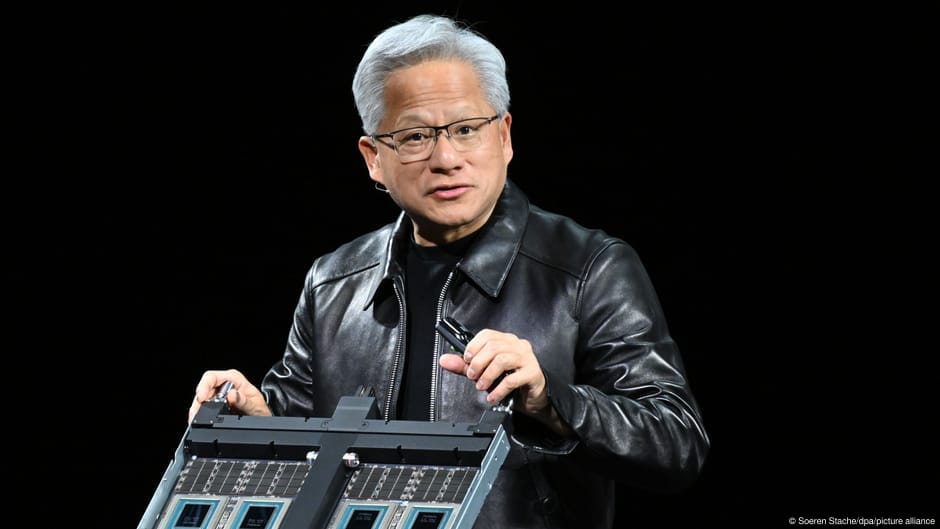
The legal action, filed in federal court in San Jose, California, represents a dramatic escalation of the controversy surrounding Huang's personal life. The proposed class action, led by shareholder Mark Kistenmacher, accuses both Nvidia and Huang of defrauding investors by failing to disclose the relationship and its associated national security implications. The lawsuit was filed just minutes after the US stock market closed, suggesting a carefully timed move by the plaintiffs.

Breaking News: Nvidia opened an investigation into Jensen Huang, its CEO, after he acknowledged to the company’s board that he had been intimate with a business executive who U.S. intelligence determined to be a Chinese spy. https://t.co/5tagTSNCzK
This legal action comes on the heels of a revelatory report by The New York Times published the previous month, which first detailed the alleged affair between Huang and Alice Huang, a former executive at Megaspeed. The report exposed a relationship that Huang had apparently kept hidden from his company's board, investors, and the public at large, despite its potential significance to national security given Alice Huang's status according to US authorities.
According to the legal complaint, Jensen Huang had previously informed employees of his infidelity but deliberately avoided naming his partner.
In the immediate aftermath of the New York Times report, Nvidia announced it would conduct an internal investigation into the matter. This announcement triggered a significant market reaction the following Monday. Nvidia's shares plummeted by 4.3%, resulting in a staggering loss of approximately $190 billion in market capitalization. The dramatic drop underscored how seriously investors viewed the potential fallout from the scandal, both in terms of corporate governance and national security concerns.
According to the legal complaint, Jensen Huang had previously informed employees of his infidelity but deliberately avoided naming his partner. This selective disclosure, the lawsuit argues, constitutes a deliberate concealment of information that shareholders had a right to know, particularly given the national security implications of Alice Huang's alleged status as a suspected Chinese intelligence asset. The complaint alleges that this omission misled investors about the potential risks facing the company.
The lawsuit makes two primary claims against the defendants: first, that they misled shareholders about Huang's alleged relationship with Alice Huang; and second, that US authorities had concluded Alice Huang was a Chinese intelligence asset. These allegations, if proven true, could have significant implications for both Huang personally and Nvidia as a corporation. The lawsuit seeks unspecified damages on behalf of shareholders who purchased Nvidia stock during the period when the alleged concealment occurred.

US President Donald Trump has said the FBI is investigating the affair between the boss of Nvidia and an alleged Chinese spy. Read more: https://t.co/WeUgIPNyZZ https://t.co/m0eJledxYk
As the legal proceedings begin, Nvidia finds itself navigating a treacherous landscape where corporate governance concerns intersect with national security implications. The company has yet to issue a detailed response to the specific allegations in the lawsuit, beyond confirming the internal investigation. For Jensen Huang, the situation represents a profound personal and professional challenge, potentially threatening not only his position at the helm of one of America's most valuable companies but also the trust that investors and employees have placed in him. The outcome of this case could set important precedents for how corporate leadership handles personal relationships that may impact national security, and how transparent companies must be about such matters to maintain investor confidence.