
International diplomacy often pivots on quiet, bureaucratic encounters at border control, far from the grand halls where treaties are signed. For Yossi Dagan, the head of the Samaria Regional Council, a journey intended for high‑level discussions took an abrupt turn upon his arrival in Europe. Dagan had traveled to Paris for a series of policy meetings, stepping off his journey expecting the standard administrative processing that accompanies international travel.
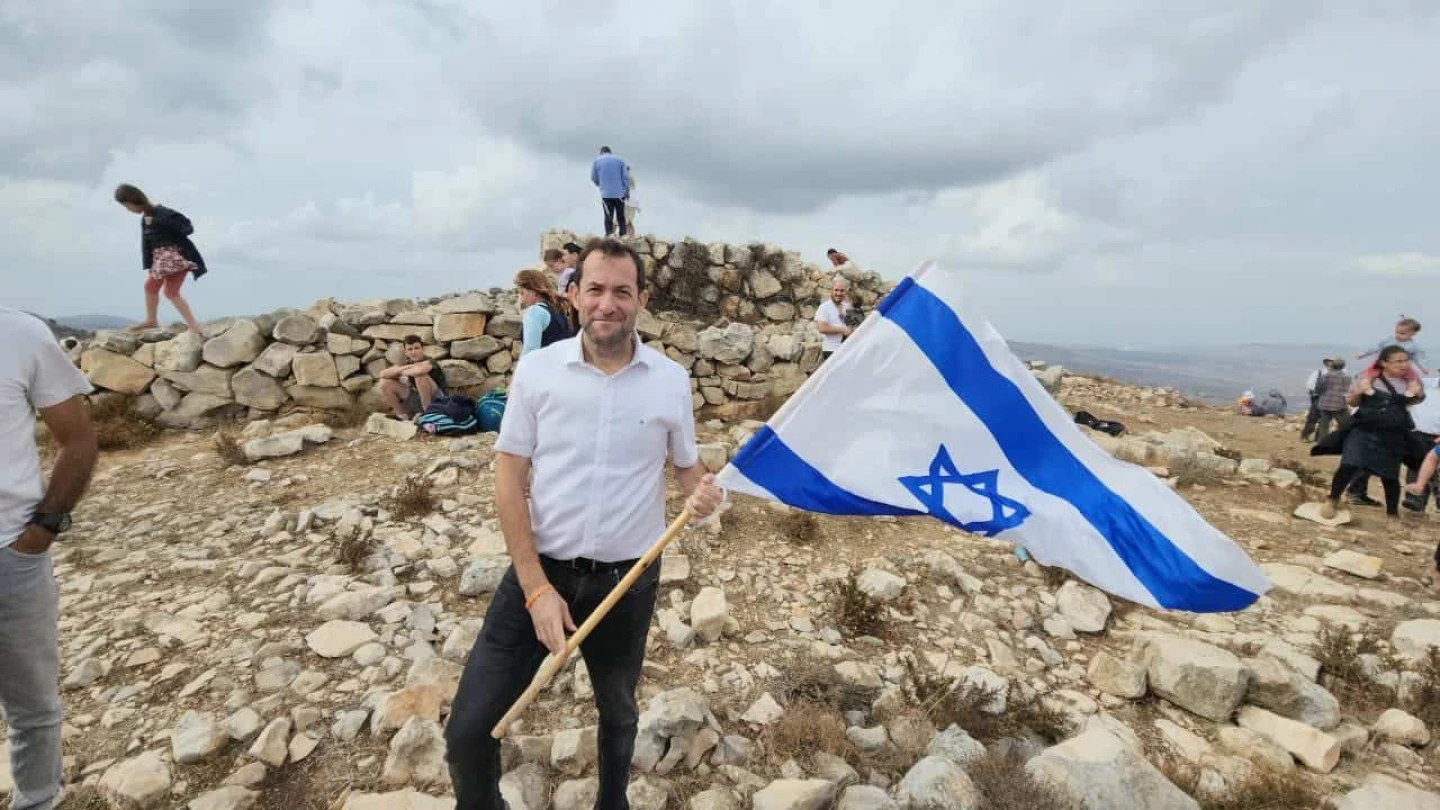
During the questioning, the bureaucratic machinery of the French state revealed the precise grounds for the intervention. An immigration officer showed him documents saying he was barred. French immigration authorities formally refused him entry into the country, translating diplomatic opposition into immediate physical exclusion at the border.
The rationale provided by French authorities pointed directly to Dagan's extensive and controversial footprint across disputed territories. As the leader of the Samaria Regional Council, his administrative duties extend far beyond standard municipal governance, embedding him deeply in the geopolitical architecture of the region. The documents and justifications underpinning the entry ban specifically cited his prominent role in building 35 communities in Judea and Samaria.
The documents and justifications underpinning the entry ban specifically cited his prominent role in building 35 communities in Judea and Samaria.
Beyond his established administrative work in Judea and Samaria, Dagan's public platform also encompasses broader and even more contentious territorial ambitions. French immigration authorities specifically noted his active work to promote the Jewish resettlement of the Gaza Strip as a core reason for the travel ban.

📜 Over 100 French lawmakers from 8 political groups back a bill to ban trade with illegal Israeli settlements in occupied West Bank ⚖️ Proposal also seeks to prohibit financial services supporting settlements, including tourist accommodation rentals https://t.co/5WdXYCdog1 https://t.co/qfKGhlo2vf
Faced with official rejection and detention by foreign authorities, Dagan offered a clear and unyielding response that framed the administrative barrier as an ideological badge of honor. Standing in the passport control area where immigration officers had delivered the barring documents, he did not back down from the policies that had triggered the state's intervention. Instead, he met the diplomatic censure with a public declaration of ideological conviction, asserting his identity and his life's work directly to the officials enforcing the state's prohibition.
The incident in Paris underscores the widening chasm between local administrative ambitions in the West Bank and the strict diplomatic red lines drawn by European capitals. By barring a prominent regional leader over settlement construction and resettlement advocacy, France has signaled that the diplomatic cost of territorial expansion extends far beyond the Middle East, echoing directly into European border policies and international travel restrictions. As these diplomatic tensions persist, the confrontation at the Paris airport stands as a stark illustration of how deeply local territorial disputes now resonate across global capitals.

So, @SenatorWong is Australia opposed to settlements in the West Bank, or not? https://t.co/t0uB8jXhkz