
In the complex, often volatile arena of international relations, the movement of a single leader can signal shifts in the global order. On Monday, President Donald Trump outlined a diplomatic agenda that seeks to touch upon some of the most sensitive nerves in modern geopolitics. His stated intentions involve direct engagement with the leaders of two of the world's most significant powers: Russia and China.
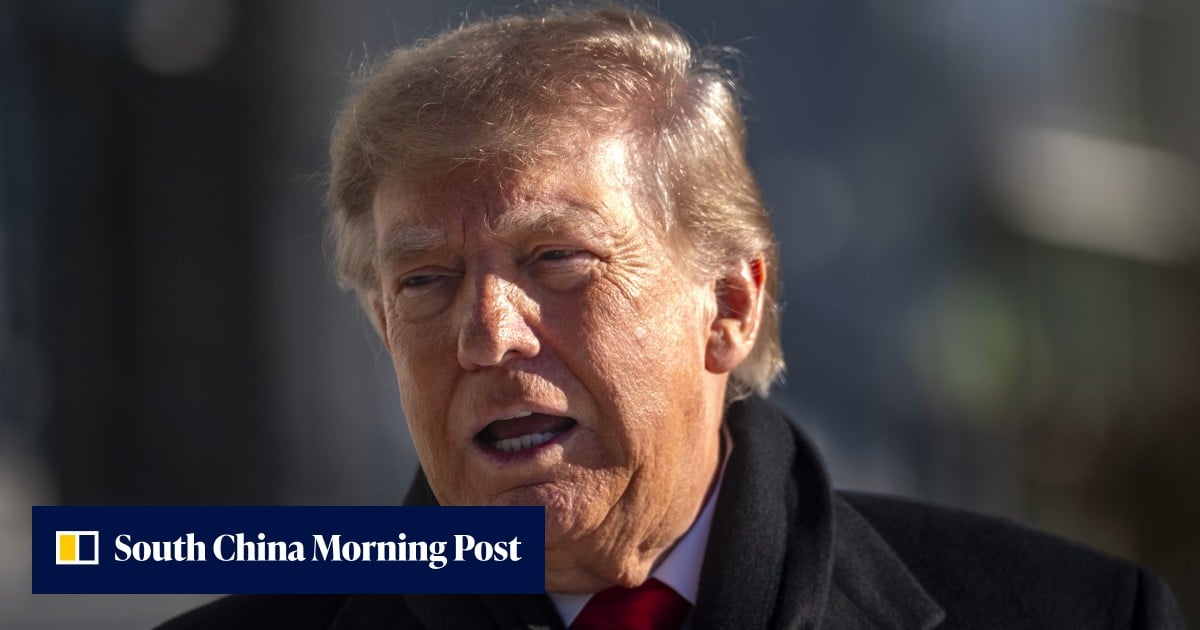
Trump indicated that his upcoming discussions with Russian and Chinese leadership will center on a quartet of heavy-hitting issues: nuclear disarmament, the ongoing conflict in Ukraine, the regional instability surrounding Iran, and the broader relationship with Russia itself. These topics represent the core of modern security concerns, where the management of nuclear arsenals and the resolution of territorial wars dictate the stability of the international community.
While the President looks toward high-level summits, the immediate threats of the present remain a constant presence in his rhetoric. The specter of Iranian drone threats has emerged as a point of tension, prompting a response from the White House that was as blunt as it was dismissive. The relationship with Iran has long been characterized by deep-seated criticism, and Trump's latest commentary underscores a confrontational stance.
Beyond the heavy lifting of nuclear policy and war zones, he has signaled plans to travel to the Philippines for an economic summit.
Addressing the potential for violence, Trump offered a warning that blended personal stakes with geopolitical consequences. "I am worried about you; because if they eliminate me, you are finished. Be careful," he told reporters, framing the potential for an assassination or an escalation as a catastrophic event for those caught in the crossfire. His stance suggests a belief that his presence serves as a specific kind of deterrent or protective layer, the removal of which would leave others vulnerable.

Trump, Putin and Xi will meet in China without Ukraine. Russia wants to discuss ending the war. The US says it won't be discussed. China reportedly opposes it. Meanwhile, Russia continues seizing Ukrainian land and homes and kidnapping Ukrainian children. https://t.co/3KigcLhgFe
Trump's itinerary appears to be as varied as his political messaging. Beyond the heavy lifting of nuclear policy and war zones, he has signaled plans to travel to the Philippines for an economic summit. This move highlights the intersection of security and commerce, as economic stability often serves as the bedrock for broader diplomatic success. There is also the possibility of a meeting with North Korean leader Kim Jong-un, a development that would signal a continuation of high-stakes engagement with one of the world's most reclusive nuclear powers.
However, the President's focus does not remain exclusively on the world stage. The digital sphere remains a primary battlefield for his grievances, even when those grievances are domestic. On social media, Trump turned his attention to the media landscape, specifically targeting the television program 60 Minutes.
In a characteristic critique of institutional leadership, he took aim at the program's recent management changes. "The new people running 60 Minutes are even worse than their predecessors," he claimed, demonstrating how the President utilizes his platform to challenge the credibility of established media entities. This blend of high-level diplomacy and domestic media criticism defines a presidency that operates simultaneously on the global stage and in the immediate, digital fray.
