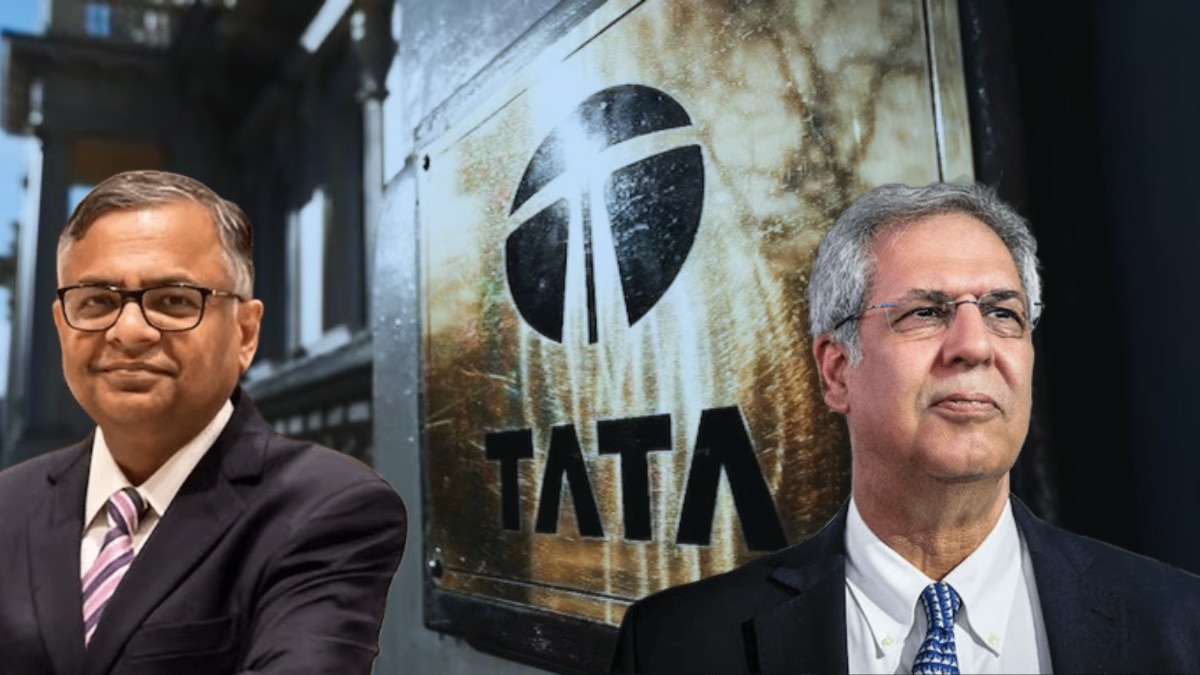
At the heart of one of India's most storied corporate families, a battle is brewing over the future leadership of the Tata Group. The Bombay High Court has recently denied a request from the Tata Trusts to halt the upcoming Tata Sons board meeting scheduled for November 30. This decision allows the conglomerate to move forward with its plans, even as the trusts—the largest shareholders in Tata Sons—continue their legal challenge against the reappointment of N Chandrasekaran as chairman.
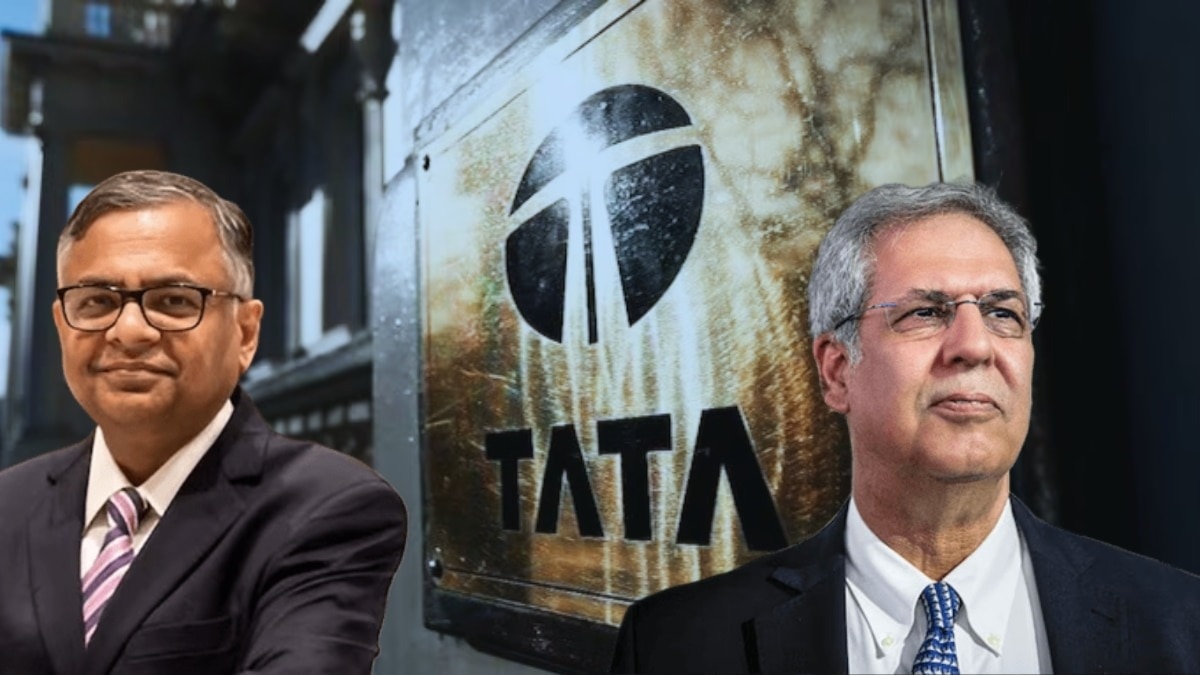
The November 30 board meeting represents more than just a routine corporate gathering; it's a critical juncture in the ongoing power struggle within the Tata empire. The Bombay High Court, in its ruling, made it clear that while it would not interfere with the scheduled meeting, all decisions made would be subject to further judicial review. The court stated, "We are not granting any relief today. Let the meeting go on as scheduled and everything will be subject to further order."
The Tata Trusts, which collectively control the Tata Group through seven charitable foundations, have been vocal opponents of Chandrasekaran's reappointment. They argue that his reappointment in September required the approval of their nominee directors, including Noel Tata. The trusts contend that proper procedures were not followed during the selection process, creating a fundamental disagreement over corporate governance within the family-controlled conglomerate.
The current legal battle represents a significant escalation in the ongoing tensions within the Tata leadership structure.
The legal dispute has brought to light tensions between traditional governance practices and modern corporate structures. Abhishek Singhvi, representing the Tata Trusts, emphasized the long-standing nature of their rights, stating, "These rights have been around for decades or rather a century ... not came up all of a sudden." This comment underscores the depth of the disagreement, which appears to be rooted in differing interpretations of how the Tata Group should be governed according to its established practices.
The current legal battle represents a significant escalation in the ongoing tensions within the Tata leadership structure. After Chandrasekaran's reappointment in September, which occurred despite opposition from Noel Tata and other nominee directors, the dispute moved from boardroom disagreements to the courtroom. The Bombay High Court's decision to allow the November 30 meeting to proceed suggests that while the court recognizes the importance of the issues raised, it sees no immediate harm in letting the scheduled gathering take place.
As the November 30 board meeting approaches, the Tata Group finds itself at a crossroads. The conglomerate, known for its diversified business interests ranging from steel to telecommunications, continues to operate amid this internal strife. The Bombay High Court's ruling has temporarily cleared the way for the meeting to proceed, but the underlying issues remain unresolved. The legal battle between the Tata Trusts and Tata Sons leadership is likely to continue, with potential implications for the conglomerate's governance structure and future direction.