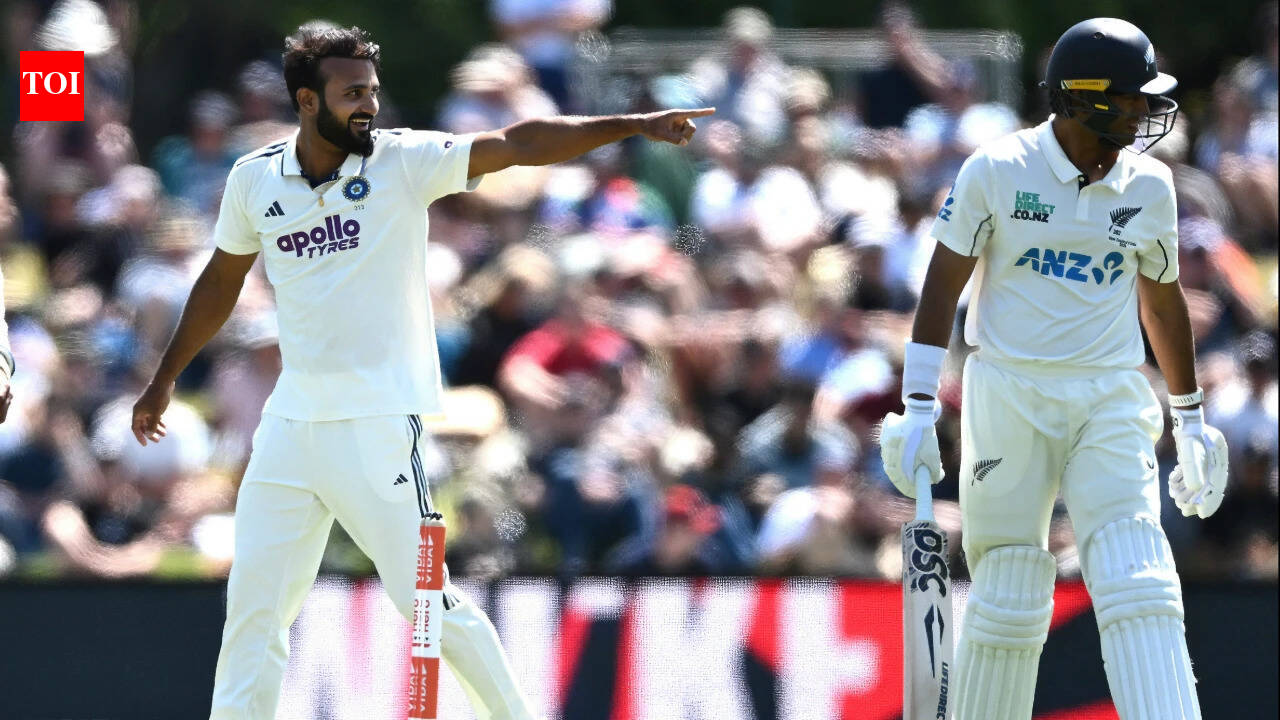
For anyone stepping into the historic grounds of Hagley Oval in Christchurch, the crisp air carries the unmistakable weight of a high-stakes red-ball contest. On this particular morning, the second Test match between India and New Zealand got underway with Indian captain Shubman Gill winning the toss and electing to field first. It was a decision rooted in the early-season moisture and green tinge of a pitch that traditionally offers assistance to those willing to bend their backs. Out in the middle, New Zealand's opening pair of Tom Latham and Devon Conway walked out to confront the new ball, tasked with blunting an Indian pace attack eager to make early statements.
The opening partnership proved to be the most stable period of the morning session for the home side. Latham and Conway dug in, mixing watchful defense with calculated scoring to put together a solid 77-run stand that frustrated the visiting camp. But cricket is a game of fine margins, and the breakthrough finally arrived courtesy of a newcomer to the international stage. Gurnoor Brar, making his Test debut in this match, etched his name into the record books by opening his red-ball wicket account at this level. Brar found the edge of Devon Conway's bat, dismissing him for 31 runs and providing India with the opening they desperately craved.
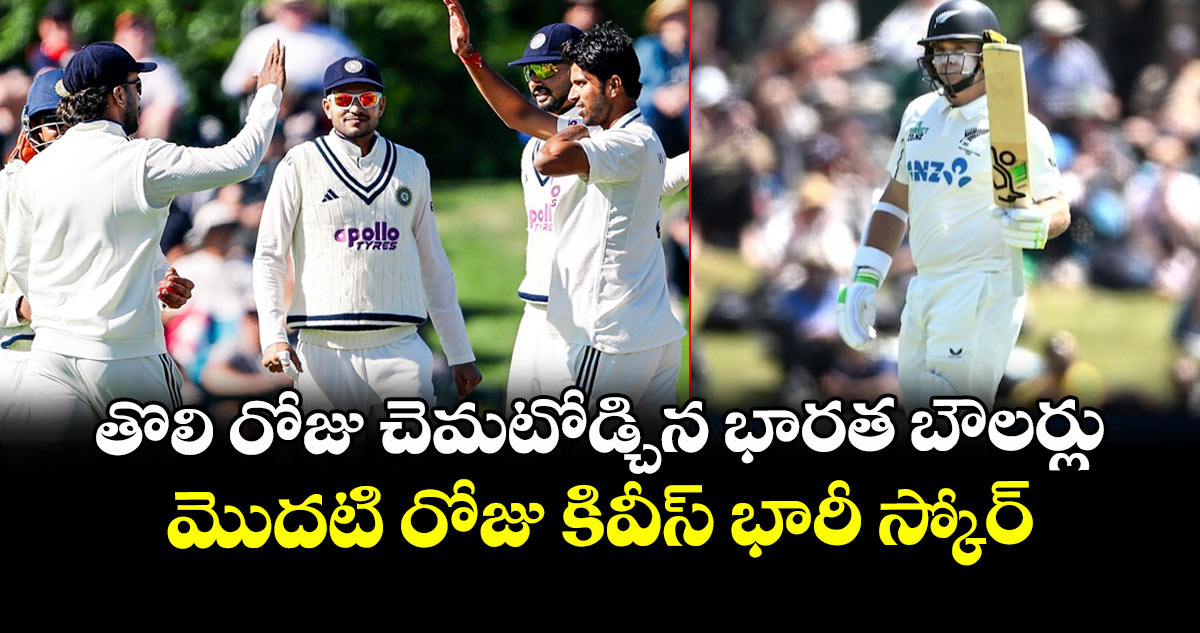
If the morning session belonged to the openers' cautious accumulation, the period immediately following lunch belonged squarely to Akash Deep. Operating with hostile rhythm and impeccable control, Akash Deep stole the show by ripping through the heart of the New Zealand batting order. He finished the day as India's leading wicket-taker, claiming two scalps with figures of 2/52. Among his crucial victims was New Zealand captain Tom Latham, whose gritty knock of 59 runs came to an end when Akash Deep found a way past his defenses. Moments later, the same bowler accounted for Rachin Ravindra, leaving the hosts searching for answers under mounting pressure.
Moments later, the same bowler accounted for Rachin Ravindra, leaving the hosts searching for answers under mounting pressure.
The momentum shifted violently as the scoreboard reflected a sudden, dramatic slide. From a relatively comfortable position earlier in the day, New Zealand endured a sharp middle-order collapse where they slipped from 106/1 down to 110/4, losing three wickets without adding a single run to the total. Anshul Kamboj joined the party by dismissing Henry Nicholls for 16 runs, compounding the misery for the home dressing room. By the time the players broke for tea, the scoreboard at 131/4 told the story of an Indian bowling unit that had seized complete control of the contest.
Facing a potential rout, the lower-middle order was forced to rebuild brick by brick. Tom Blundell and Daryl Mitchell stepped into the breach, initiating a vital 74-run partnership that blunted the Indian resurgence. Mitchell contributed 31 runs before Washington Sundar intervened, breaking the stand by removing Mitchell. Washington turned in a tidy spell, finishing with figures of 1/36 across his allotted overs, while Gurnoor Brar and Anshul Kamboj also maintained pressure from their respective ends, leaving Jasprit Bumrah as the only frontline fast bowler to finish the day without a wicket.
Even after Mitchell's departure, New Zealand found further resistance from the pavilion. Tom Blundell dug deep to anchor the innings, finishing unbeaten on 53 runs. He was expertly joined by Glenn Phillips, whose brisk 36 not out helped the hosts navigate the remaining overs safely. When the bails were finally drawn for the day after 85 overs of compelling cricket, New Zealand reached stumps at 246/5, having survived an eventful opening chapter in Christchurch.