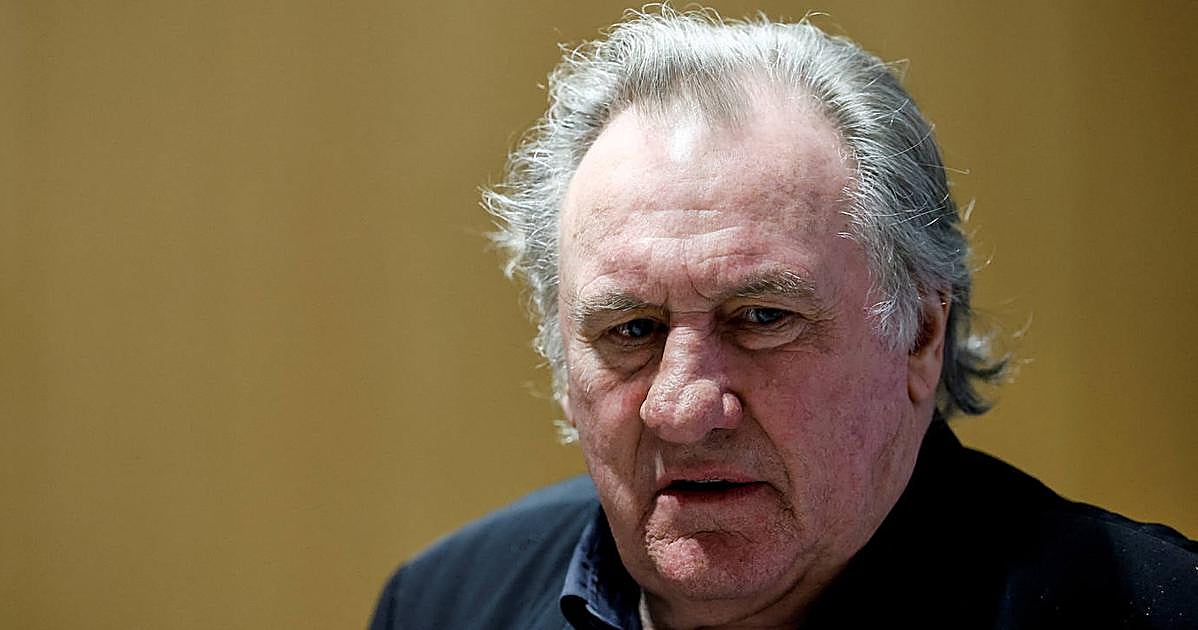
In January 2018, French actress Charlotte Arnould filed a police report accusing Gérard Depardieu of raping her. The complaint, lodged in Paris, set in motion a legal process that has now re‑emerged after years of parallel cases. Arnould alleges that the actor forced her to perform oral sex through what she described as “moral coercion” inside his Paris home.

According to Arnould’s testimony, the alleged assault took place in August 2018. She was 22 years old at the time, while Depardieu was already a towering figure in French culture at 77. The accusation centers on multiple forced oral acts, a detail she later repeated in court filings, saying, “Depardieu forced her to perform multiple oral sex acts.”
Depardieu’s legal troubles did not begin with Arnould’s claim. In 2021, the actor was linked to an incident on a film set where he allegedly assaulted other victims. That same year, he publicly admitted to having committed sexual violence and issued an apology to his victims. The admission marked a rare moment of acknowledgment from a figure who had long denied wrongdoing.
The suspended term, though brief, sits alongside a potential future penalty of 15 to 20 years of imprisonment for the new rape charge.
The 2021 film‑set assault was only one episode in a string of accusations that have followed Depardieu for years. While the details of each case differ, the recurring theme is the same: women alleging non‑consensual sexual acts by the actor. In addition to Arnould’s case, another pending investigation mentions writer Michel Houellebecq as an alleged accomplice, underscoring the breadth of the scrutiny surrounding Depardieu’s personal conduct.
On 26 November 2026, Depardieu accepted an 18‑month suspended prison sentence for a separate sexual‑assault case. The sentence, while not resulting in immediate incarceration, carries a legal weight that signals the courts’ willingness to impose serious consequences. The suspended term, though brief, sits alongside a potential future penalty of 15 to 20 years of imprisonment for the new rape charge.
Earlier this year, a Paris appeals court transferred Arnould’s case from a civil venue to a criminal court, clearing the path for a full trial. The move reflects the judiciary’s assessment that the allegations merit criminal prosecution rather than a private settlement. With the case now in criminal court, the stakes have risen dramatically for both parties.
French law allows for a maximum imprisonment term of 15 to 20 years for rape, a range that now frames Depardieu’s possible exposure. The pending trial will determine whether the court will impose a custodial sentence, a fine, or another form of sanction. For a public figure of Depardieu’s stature, any conviction would reverberate far beyond the courtroom, influencing public discourse on power, consent, and accountability in the entertainment industry.
Arnould has been unequivocal in her criticism, stating, “Depardieu forced her to perform multiple oral sex acts.” Her statements have been described as both critical and supportive of the broader fight against sexual violence, reflecting a personal resolve to see the case heard.
Depardieu, for his part, has consistently denied any criminal conduct. In a recent interview he said, “I have never wanted to harm my partners,” and reiterated that he “has denied having committed any crime.” His denials sit in stark contrast to his earlier admission of sexual violence, creating a complex narrative that the court will have to untangle.
The upcoming trial will be the latest chapter in a saga that has spanned more than a decade. As the French legal system prepares to hear Arnould’s testimony and examine the evidence, the public watches a cultural icon confront allegations that could reshape his legacy. Whether the courtroom will deliver a verdict that satisfies the demands of justice remains to be seen, but the case underscores a broader societal shift: a willingness to hold even the most celebrated figures accountable for alleged sexual wrongdoing.