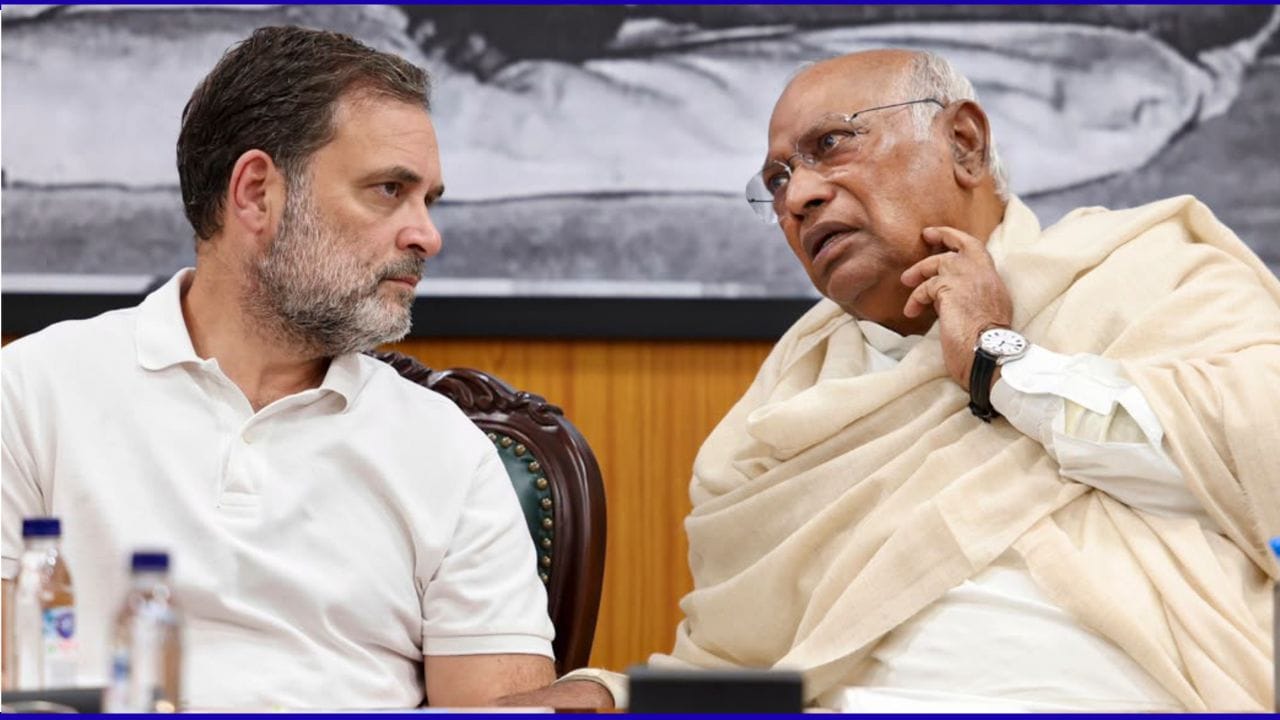
On November 28, 2026, the political atmosphere in New Delhi grew heavy with the weight of impending constitutional change. At the residence of Congress President Mallikarjun Kharge, leaders of the INDIA bloc convened to address what they perceive as a fundamental restructuring of Indian governance. The meeting, held under the shadow of the central government’s latest legislative push, served as a platform for Kharge to articulate a profound skepticism regarding the government’s motives. For the opposition, the issue at hand is not merely a technical adjustment of electoral boundaries, but a pivotal moment that could determine the future of representative democracy in India.
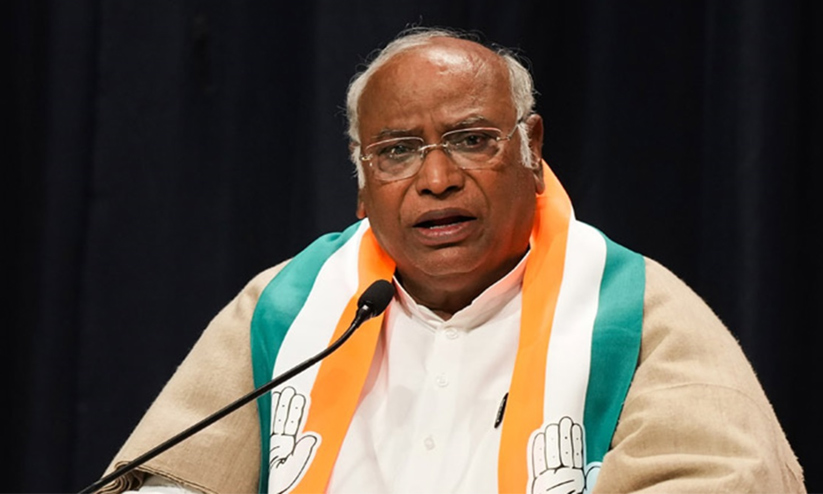
At the heart of the controversy is a proposed constitutional amendment bill that seeks to tether the long-debated women’s reservation policy to the process of delimitation—the redrawing of electoral constituency boundaries. While the promise of increased gender representation is often framed as a progressive milestone, Kharge argues that the government’s specific implementation strategy is a Trojan horse. By linking these two processes, the government has created a legislative knot that, according to the opposition, obscures the true intent of the bill. Kharge contends that this maneuver is less about empowerment and more about consolidating power, effectively bypassing the constitutional safeguards meant to ensure equitable representation for all citizens.
Kharge’s most pointed criticism centers on the protection of marginalized communities. He argues that the bill represents a grave injustice to Scheduled Caste (SC) and Scheduled Tribe (ST) populations. Under Article 330 of the Constitution, specific provisions are mandated to ensure that these groups have a guaranteed voice in the legislative process. Kharge asserts that the current bill ignores these requirements, effectively sidelining the very communities that Article 330 was designed to protect. In his view, the government is prioritizing political expediency over the constitutional mandate to provide political agency to those who have historically been excluded from the corridors of power.
To Kharge, the delimitation bill is not an isolated policy choice but a symptom of a broader ideological shift.
Perhaps the most provocative element of Kharge’s critique is his assertion that the Prime Minister is steering the nation toward a 'Chinese-style' single-party governance system. To Kharge, the delimitation bill is not an isolated policy choice but a symptom of a broader ideological shift. He has gone so far as to characterize the government’s agenda as an attempt to implement a modern-day version of 'Manusmriti,' a term he uses to evoke a rigid, hierarchical social order that stands in direct opposition to the egalitarian principles of the Indian Constitution. This framing suggests that the opposition views the current administration’s actions as an existential threat to the pluralistic, multi-party nature of Indian democracy.
Beyond the constitutional amendments, the opposition has raised alarms regarding the administrative machinery of democracy. Kharge pointedly criticized Chief Election Commissioner Gyanesh Kumar, citing deep-seated concerns over the integrity of voter list revisions. The opposition claims that approximately 10 crore people have been removed from voter lists, a massive administrative action that they argue could disenfranchise significant portions of the electorate. Furthermore, Kharge highlighted the lack of clarity surrounding the upcoming 2026 census. Without a transparent census, the basis for any future delimitation remains suspect, leading the opposition to view past exercises in Assam and Jammu & Kashmir as troubling precedents for what might be in store for the rest of the country.
As the INDIA bloc continues to consolidate its stance, the debate over delimitation has become a proxy war for the soul of the Indian political system. The government maintains that its legislative efforts are necessary for modernization and empowerment, while the opposition sees a systematic dismantling of democratic checks and balances. With the 2026 census looming on the horizon, the tension between these two visions is likely to intensify. For now, the discourse remains locked in a cycle of accusation and defense, leaving the electorate to navigate a landscape where the rules of the game itself are being fundamentally contested.