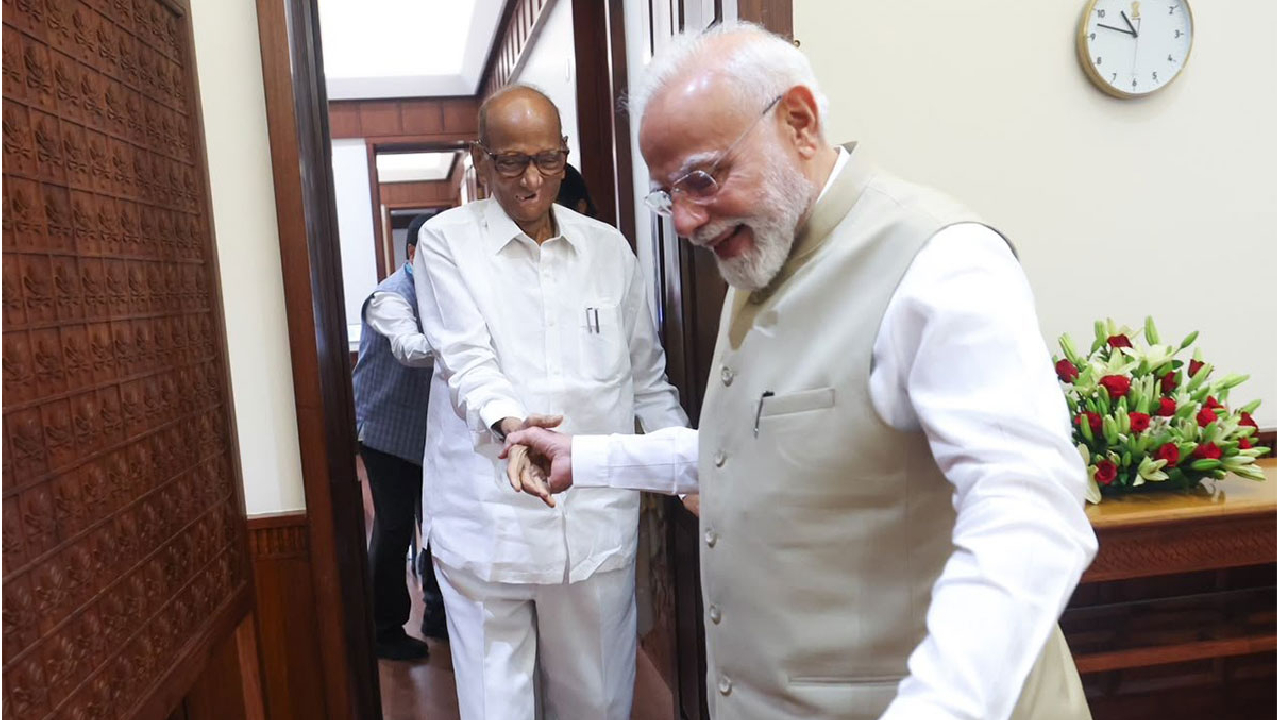
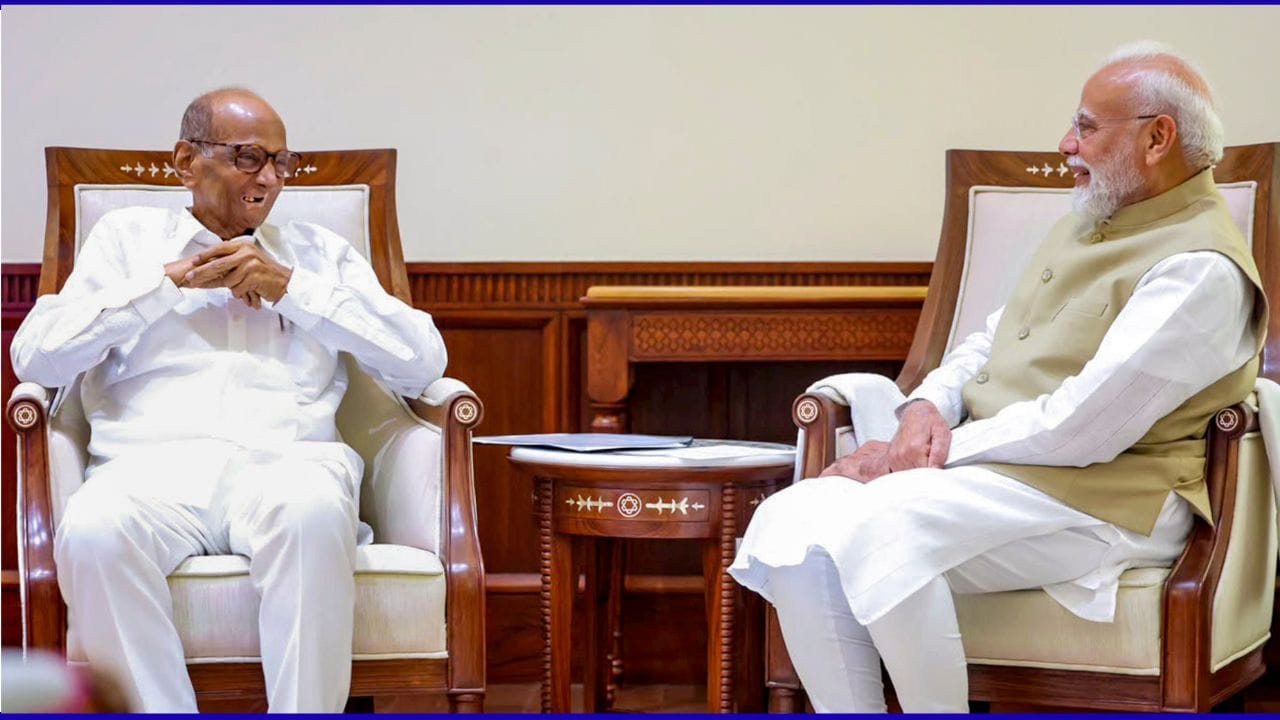
In the high-stakes theater of Indian politics, few moves are as quietly devastating as a shift in voting allegiance on a technical bill. Yet, it is precisely in these procedural moments that coalitions often fracture. As Parliament prepared for its special session in late November 2026, the center of gravity shifted not with a roar, but with a whisper from Mumbai. The Nationalist Congress Party (NCP), led by the veteran politician Sharad Pawar, officially declared its support for the central government’s Delimitation Bill. This decision, announced by national spokesperson Jitendra Awhad following a meeting with Pawar at Breach Cancer Hospital, sent shockwaves through the INDIA opposition alliance, marking one of the most significant disruptions to their unified front in recent memory.
To understand the magnitude of this rupture, one must first look at what the bill actually does. Delimitation is the constitutional process of redrawing electoral boundaries to reflect changes in population distribution. It is a mundane, administrative necessity that carries profound political consequences. For decades, southern states in India have argued that freezing seat allocations based on older census data unfairly penalizes them for successful family planning initiatives, while northern states with higher population growth gain disproportionate representation. The current Delimitation Bill seeks to address this imbalance, but doing so requires a delicate political negotiation that the opposition had long resisted.
The NCP’s pivot was not sudden; it was the culmination of a strategic calculation made by party president Supriya Sule. Prior to the announcement, Sule had established a clear condition for supporting any delimitation framework: Lok Sabha seats must be increased by 50% nationwide. This concession was designed to mitigate the fears of southern states and ensure that no region felt marginalized by the redrawn maps. On November 27, 2026, the central cabinet approved this very provision, effectively clearing the path for the NCP’s endorsement. With the cabinet’s approval, the political obstacle vanished, and the NCP moved swiftly to align itself with the ruling National Democratic Alliance (NDA).
He warned that any party supporting the NDA’s bill was committing a "betrayal to the alliance.
Jitendra Awhad, speaking on behalf of the party, framed the decision as an inevitability rooted in constitutional duty rather than partisan loyalty. "As per constitutional rules, delimitation needs to happen," Awhad stated, emphasizing that the party’s stance was the result of collective deliberation among President Supriya Sule and its Members of Parliament. He further clarified that the decision was final, echoing Sharad Pawar’s own view that the process was unavoidable. "Delimitation is a constitutional process, and it must happen sooner rather than later," Awhad relayed, noting that every member of the party recognized this as the only viable path forward. By issuing a strict 'three-line whip' to its eight Lok Sabha MPs, the NCP-SP ensured that its legislative voice would not waver, mandating full attendance and support for the bill during the upcoming parliamentary debates.
This maneuver came at a time when the INDIA alliance was already under pressure. Most major parties within the coalition, including the Indian National Congress and the Samajwadi Party, remained firmly opposed to the bill, viewing it as a tool that could entrench the dominance of certain regions over others. The NCP’s defection left the opposition reeling. In response, the alliance called an emergency meeting on November 28, 2026, to discuss a unified strategy against the bill. However, the damage to cohesion was already done. The presence of a senior ally like the NCP, traditionally a kingmaker in Maharashtra and a key player in national politics, undermined the moral authority of the opposition’s resistance.
The backlash from within the coalition was immediate and sharp. Sanjay Raut, a prominent Shiv Sena (UBT) MP, did not mince words in his condemnation. He warned that any party supporting the NDA’s bill was committing a "betrayal to the alliance." His statement highlighted the emotional and political cost of the NCP’s decision, framing it not just as a policy disagreement, but as a breach of trust among partners who had pledged to work together against the central government. For the INDIA alliance, the challenge now was not just to oppose the bill, but to repair the fractured narrative of unity that had defined their campaign against the ruling party.
As Parliament’s special session began on November 30, 2026, and continued through December 3, the stage was set for a contentious debate. The Delimitation Bill, scheduled for discussion during these three days, would no longer be a straightforward legislative exercise. It had become a litmus test for the opposition’s viability. The NCP’s support signaled a pragmatic approach, prioritizing constitutional compliance and negotiated concessions over ideological solidarity with the broader opposition bloc. For Sharad Pawar, whose political career has always been defined by realpolitik, the move was consistent with his history of aligning with power structures that offer tangible benefits to his base.
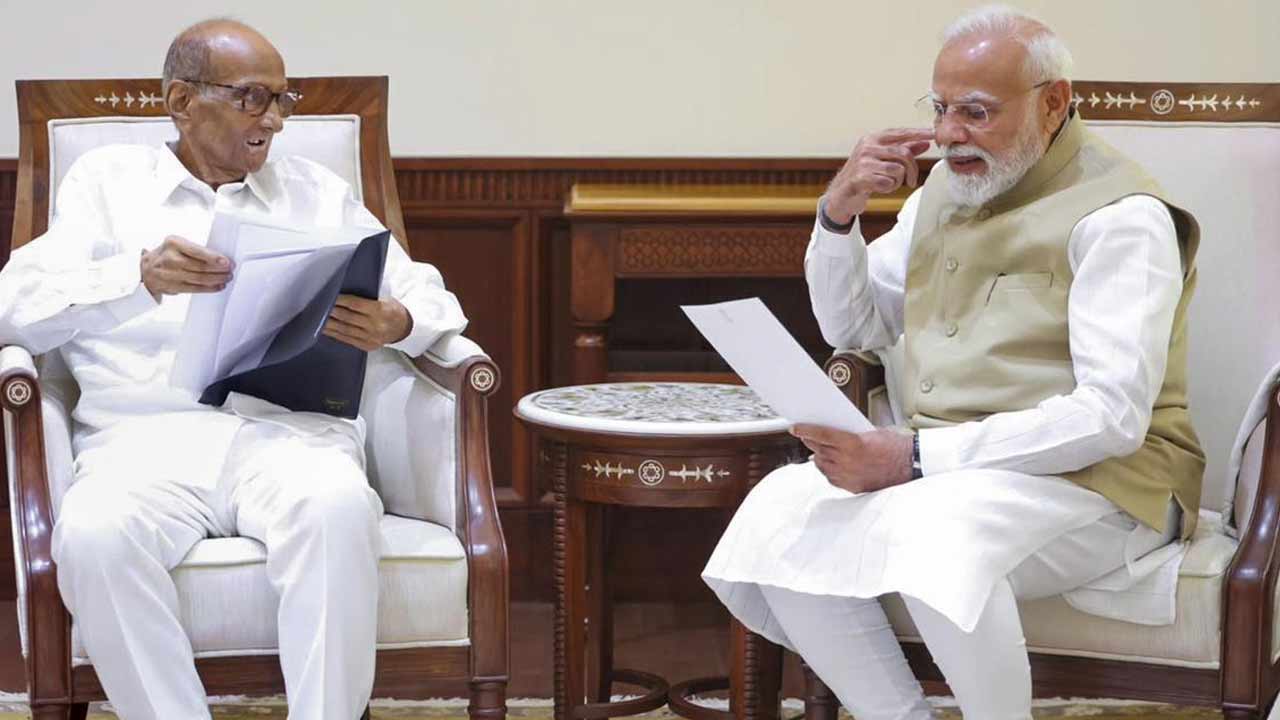
Yet, the implications extend beyond immediate parliamentary arithmetic. By breaking ranks, the NCP-SP has forced other smaller parties within the INDIA alliance to reconsider their own positions. Will they hold the line against the bill, risking isolation? Or will they seek similar concessions from the central government? The uncertainty hanging over the opposition camp suggests that the delimitation debate will serve as a catalyst for further fragmentation. The alliance, already strained by diverse regional interests and conflicting priorities, now faces the prospect of a permanent scar from this episode.
For the average voter, the intricacies of seat allocation and constitutional processes may seem distant. But the ripple effects of this decision are palpable. It underscores the fragility of large, heterogeneous coalitions in a multi-party democracy. When the glue of shared opposition dissolves, the resulting vacuum is often filled by individual actors pursuing their own survival strategies. The NCP’s choice to back the Delimitation Bill was not merely about votes in Parliament; it was a statement about where the party sees its future—in alignment with the center, or in the margins of a disintegrating opposition.
As the session concluded, the immediate battle over the bill was won by the government, but the war for political alignment was far from over. The INDIA alliance must now grapple with the reality that unity is conditional, and that even the most steadfast partners can pivot when the stakes change. For Sharad Pawar, the move secured his influence and delivered on his conditions. For the opposition, it served as a stark reminder that in Indian politics, today’s allies are tomorrow’s competitors, and the map is always being redrawn.