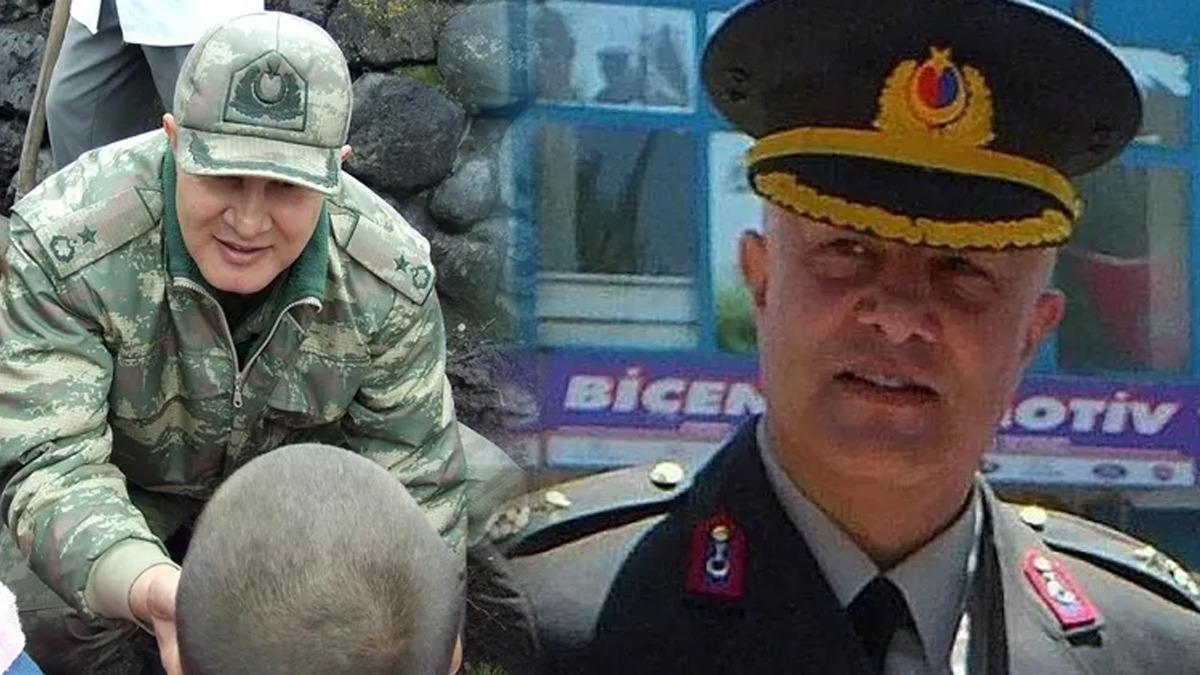
In the small eastern town of Malazgirt, on July 27, 2015, the quiet life of Gendarmerie Major Arslan Kulaksız was shattered. He was not on a remote border post or in a volatile conflict zone, but with his family when a gun attack claimed his life. The major was fatally wounded and later died in a hospital, leaving behind a grieving family and a community in shock. For more than a decade, this case remained a painful open wound, a local tragedy that faded from the national headlines while the investigation continued in the background.
The passage of time in a criminal case of this magnitude can be a complex thing. In many high-profile killings, the intense public scrutiny that surrounds the early days of an investigation eventually gives way to administrative inertia or, in the worst cases, a complete lack of follow-through. However, the disappearance of a senior security officer is a matter that rarely gets ignored by the highest echelons of law enforcement. For eleven years, the trail of Major Kulaksız's killer likely faded into the dense, often lawless landscape of the region, forcing investigators to rely on patience and persistence rather than the usual break in a case. The families of the victims of violent crime in this region have often had to endure a long period of uncertainty, a testament to the challenges faced by security forces in maintaining a continuous, high-intensity investigative pressure over such a span.
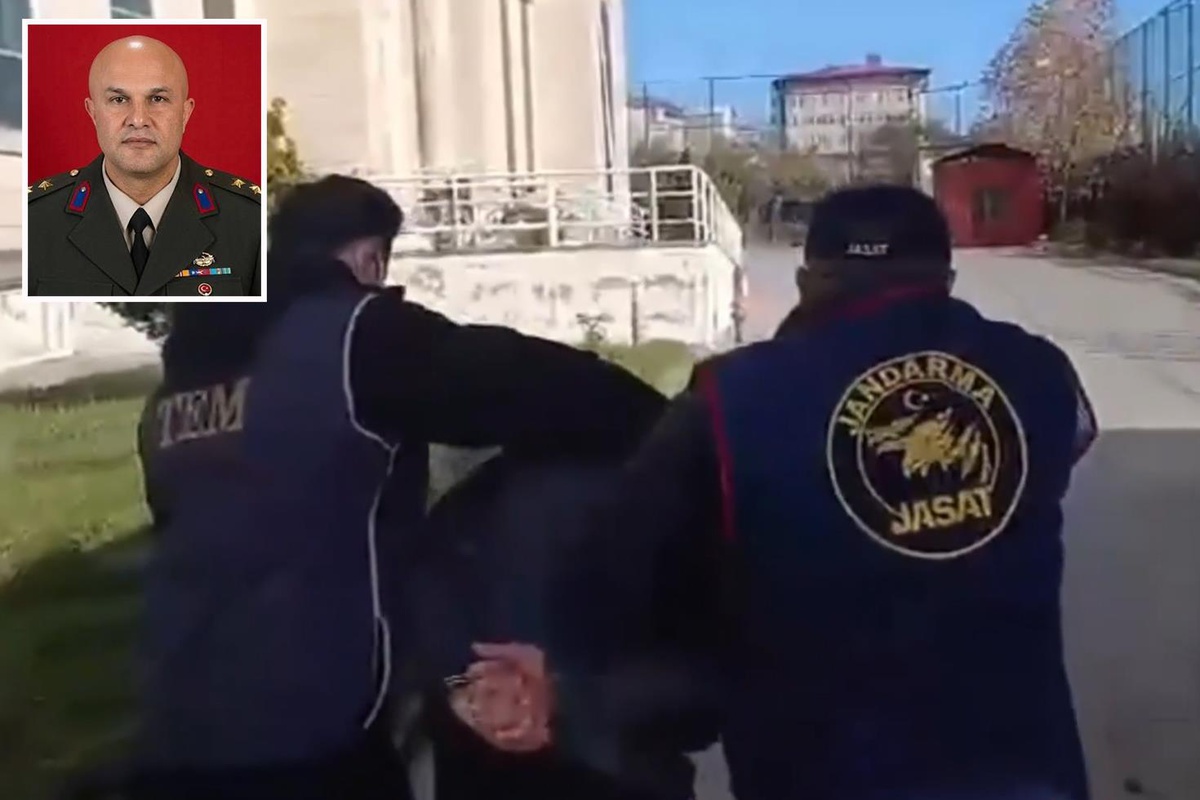
The operation was not a solitary effort by local police but a highly specialized, combined strike. It involved the General Command of Gendarmerie Intelligence and the specialized TEM Department, operating in tandem with local police and gendarmerie units in both Muş and Bitlis provinces. This inter-agency collaboration is critical in cases that cross jurisdictional or operational lines; it suggests that the suspects had been hiding not just geographically, but operationally, slipping between the domains of different security forces. The target of this synchronized effort was İ.Y., a fugitive suspect who had evaded capture for over a decade.
With the three individuals in custody, the focus shifts from the hunt to the court.
The arrest of İ.Y. is a reminder that even the most determined fugitives eventually run out of options. He was found hiding at a private residence in Tatvan, a district in the province of Bitlis. The choice of a domestic address as a hideout speaks to the nature of the support network required for long-term evasion. A suspect on the run for eleven years cannot survive on their own; they require safe houses, food, and a degree of local protection. The fact that the operation succeeded suggests that intelligence had identified his specific location, cutting through whatever web of local informants or sympathizers had kept his location secret.
A crime, particularly one as targeted as a assassination, rarely stands alone in its execution or its aftermath. When İ.Y. was cornered by security forces, the sweep did not stop with his arrest. Two other individuals were detained in the same district of Tatvan. This distinction is crucial in the legal framework, as it speaks to the logistics of the evasion rather than the act of violence. These individuals form the support network that allowed a major crime to remain unsolved for so long. Their detention indicates that the investigation was thorough, looking not just at who pulled the trigger, but who sustained the suspect after the fact.
With the three individuals in custody, the focus shifts from the hunt to the court. The General Command of Gendarmerie has confirmed that legal proceedings are now actively ongoing for all three detained individuals. This marks a definitive end to the operational phase of the case and the beginning of its judicial conclusion. For the family of Major Kulaksız, the legal process is a new and often protracted chapter, but it is one that now has solid footing. The primary suspect's capture provides the evidentiary anchor that allows for the trial to proceed with full force.
Behind every arrest and every legal document is the reality of the victims. Major Kulaksız was a public servant, a leader in the security forces, killed in a targeted attack. His death was not a random act of violence but a specific targeting of an officer. For his family, the eleven-year wait for justice must have been an exhausting period of anxiety, uncertainty, and grief. The closure provided by this arrest, while it does not bring back their loved one, provides a sense of finality. The knowledge that the person responsible for the attack is now in custody, and that the people who helped them hide have also been identified, restores a sense of order and accountability that the crime itself had stolen.
This case illustrates the sheer scale of the task that falls to the security forces in the region. The ability to maintain the thread of an investigation for more than a decade and successfully coordinate a multi-agency raid is a demonstration of significant operational capability. It also serves as a public reassurance that the state's commitment to justice, even in difficult and protracted cases, remains active. The arrest of İ.Y. and his two associates in Tatvan stands as a testament to the persistence of the law, ensuring that no crime, no matter how long it takes, remains without consequence. The file on the 2015 attack in Malazgirt is now firmly in the hands of the courts, but the story of its pursuit has reached a decisive and long-awaited turning point.