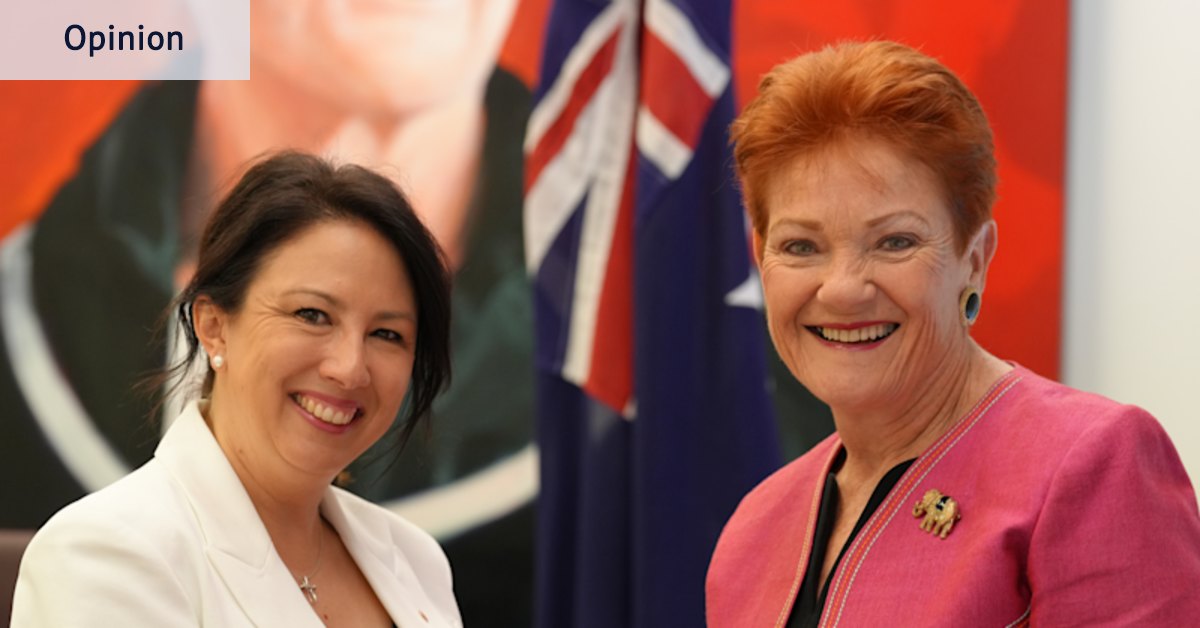
On November 25, 2026, Senator Leah Blyth stunned colleagues and the public alike by declaring her defection from the Liberal Party to Pauline Hanson’s One Nation. The announcement came in the same breath as veteran Liberal Senator Simon Birmingham’s retirement, a double‑header that sent ripples through the parliamentary chamber. Blyth’s statement was terse but pointed, accusing fellow Liberal Alex Antic of a strategy designed to “effectively collapse the Liberal Party and hollow it out so that a merger become an inevitability.”
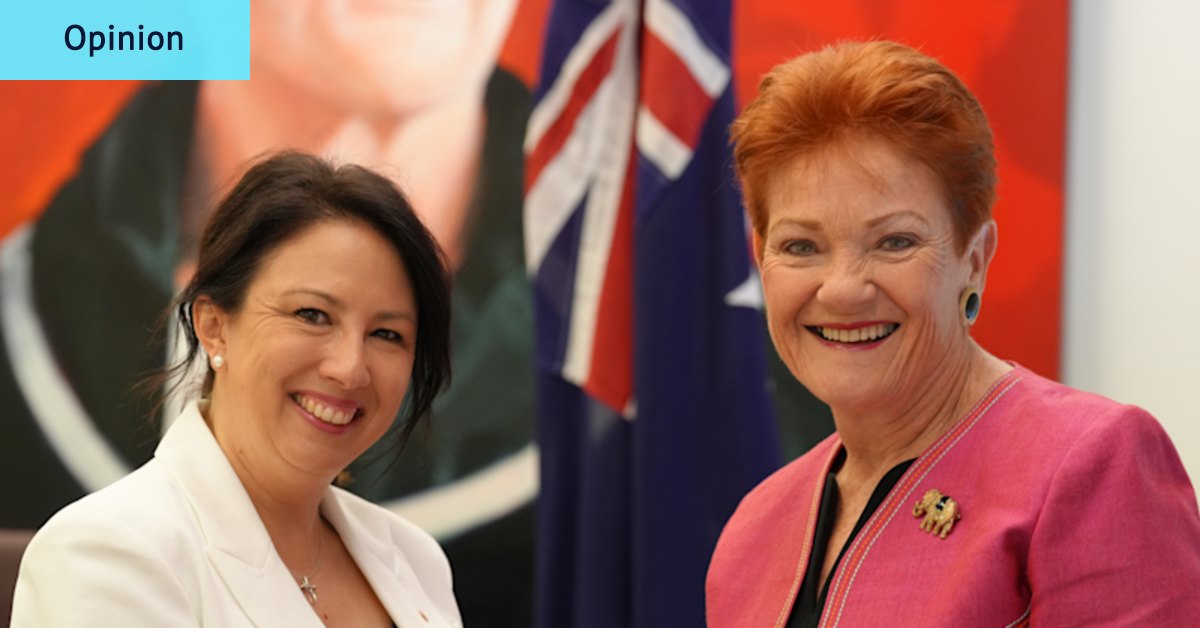
Blyth’s move did not occur in a vacuum. Within the Liberal ranks, a faction led by Senator Alex Antic has been pushing for a structural realignment that many insiders view as an attempt to merge the party with One Nation. Critics argue that such a merger would dilute the Liberal brand and erode its traditional voter base. Blyth’s own accusation underscores a broader anxiety: that the party’s leadership, under the watch of figures like Angus Taylor, may be losing its grip on internal cohesion.
The defection has reignited criticism of Angus Taylor’s management of colleagues. The brief’s claims note that his handling has been judged as lagging behind the standards set by former Prime Minister John Howard, suggesting a shortfall in political craftsmanship compared with past party leaders. This assessment forms part of the narrative that Taylor’s stewardship may have contributed to an environment where defections become possible.
Prime Minister Anthony Albanese, whose government has been grappling with slipping poll numbers, welcomed the development.
One Nation, founded by Pauline Hanson, has long positioned itself as a vocal opponent of the Liberal establishment. Blyth’s switch therefore carries symbolic weight: a former Liberal insider now aligns with a force that has explicitly sought to dismantle her former party’s dominance.
What makes Blyth’s defection particularly striking is her prior stance against One Nation. In earlier parliamentary debates, she had been a vocal opponent of any collaboration with Hanson’s movement, even taking part in efforts to block Senator Alex Antic’s merger proposals. This reversal has been labelled by commentators as a stark display of self‑interest and hypocrisy, suggesting that personal political calculus outweighed previous ideological commitments.
Prime Minister Anthony Albanese, whose government has been grappling with slipping poll numbers, welcomed the development. The defection offers Labor a modest morale boost, presenting an image of Liberal disarray that the opposition can leverage in its messaging. In a political environment where party unity often translates into electoral confidence, any fissure in the governing coalition can be a strategic advantage.
Blyth’s departure and Birmingham’s retirement together signal a moment of transition for the Senate’s composition. The loss of a seasoned Liberal voice, combined with the infusion of a former Liberal into One Nation, reshapes the balance of power and raises questions about future coalition dynamics. As the Liberal Party confronts internal dissent and external pressure, the episode serves as a cautionary tale about the costs of internal fragmentation and the allure of opportunistic realignment.
The saga of Senator Blyth illustrates how personal ambition, party strategy, and ideological rigidity intersect on the Australian political stage. Whether this defection proves a temporary blip or a harbinger of deeper realignments remains to be seen, but its immediate impact on party cohesion and opposition narratives is unmistakable.