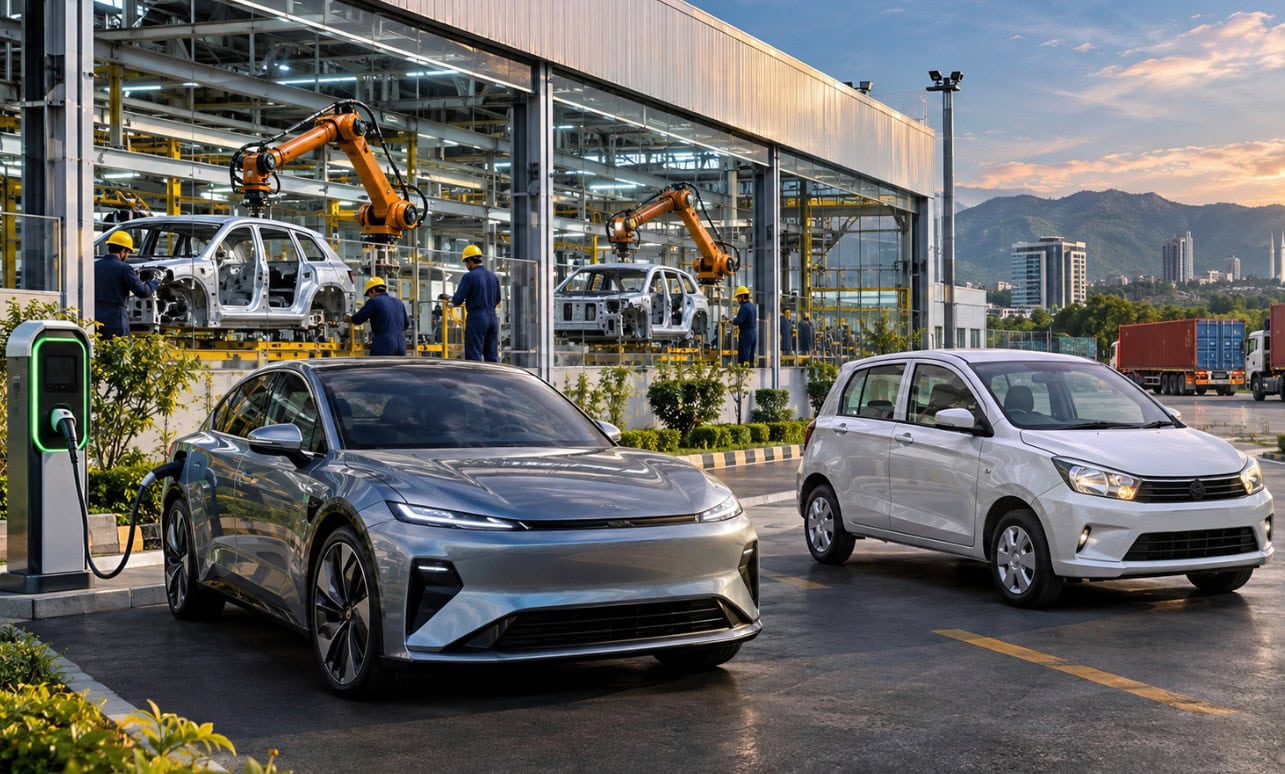
On November 7, 2026, the federal government of Pakistan unveiled its Auto Policy 2026-2031, a strategic framework designed to revolutionize the automobile industry. The policy, announced by Information Minister Attaullah Tarar and Adviser to the Prime Minister for Industries and Production Haroon Akhtar Khan, is a bold move to make vehicles more affordable, promote local manufacturing, and boost exports. The policy aims to align with the National Electric Vehicle Policy 2025-2030, which targets 30% of new vehicle sales to be electric by 2030.
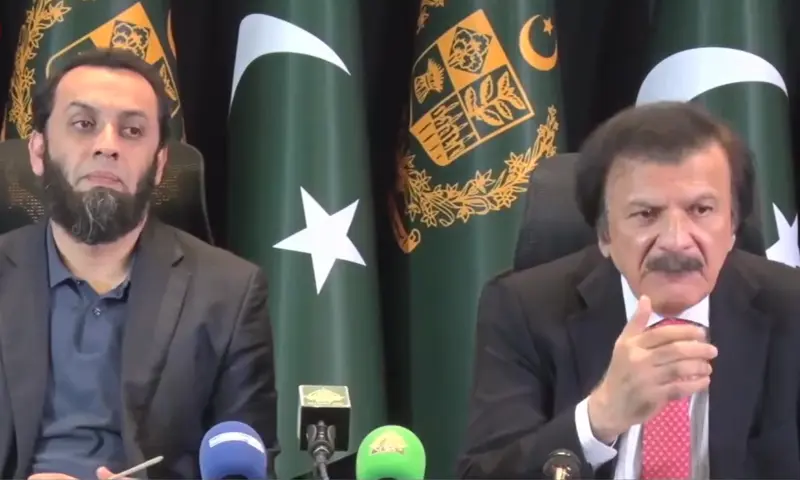
The policy introduces a new tax framework that significantly reduces costs for electric vehicles (EVs). For Battery Electric Vehicles (BEVs), the General Sales Tax (GST) is set at a mere 1%. This is a substantial reduction from the previous rates, which were 10% or higher. For hybrid and range-extended vehicles, the GST rates are set at 9% and 6%, respectively. These lower rates are expected to make EVs more attractive to consumers and reduce the financial burden on manufacturers.
The Auto Policy 2026-2031 identifies six core priorities: affordable vehicles, exports, localization, vehicle safety, electric mobility, and transparency. The policy aims to reduce dependence on imported components and attract investment in local EV assembly and manufacturing. The government plans to finance incentives for EVs through an automotive development levy on vehicles powered by internal combustion engines above 1,000cc. This levy is expected to generate significant funds to support the new policy.
The government has set a target of 30% of new vehicle sales being electric by 2030.
One of the key goals of the policy is to make vehicles more accessible to middle- and lower-middle-income consumers. Currently, these consumers have been priced out of the market due to high vehicle prices. The policy aims to reduce manufacturing costs and import bills of raw materials, with the goal of competitive tariffs after five years. The government has also capped advance payments for vehicles at 20% of the vehicle's price to prevent financial strain on buyers.
The policy places a strong emphasis on electric mobility. The government has set a target of 30% of new vehicle sales being electric by 2030. To achieve this, the policy includes measures to improve the quality and safety of vehicles. Forty-five new standards will be introduced to enhance vehicle quality and safety, ensuring that consumers have access to reliable and safe EVs.
The policy also aims to increase auto-sector exports from the current $200 million to $6 billion over five years. To achieve this, the government will extend all possible cooperation to companies exporting vehicles. Non-exporting companies will face penalties, ensuring that the industry focuses on expanding its global presence. The government has set a cumulative export target of $6 billion over the next five years, with the hope of transforming Pakistan into a major player in the global automotive market.

Clean & Green Pakistan The residual value of gasoline cars bought today will be much lower than people think EVs & its charger centers with solar are the long term vision, which is contribute to climate too Pakistan can save 13 billions US$ fuel import bill by 2030
The approval of the Auto Policy 2026-2031 marks a new era for the auto industry in Pakistan. The policy is expected to bring about significant changes, making vehicles more affordable and promoting the use of electric vehicles. The government's commitment to reducing the cost of EVs and improving local manufacturing standards is a step in the right direction. As the policy is implemented, it will be crucial to monitor its impact on the industry and ensure that the goals are met.
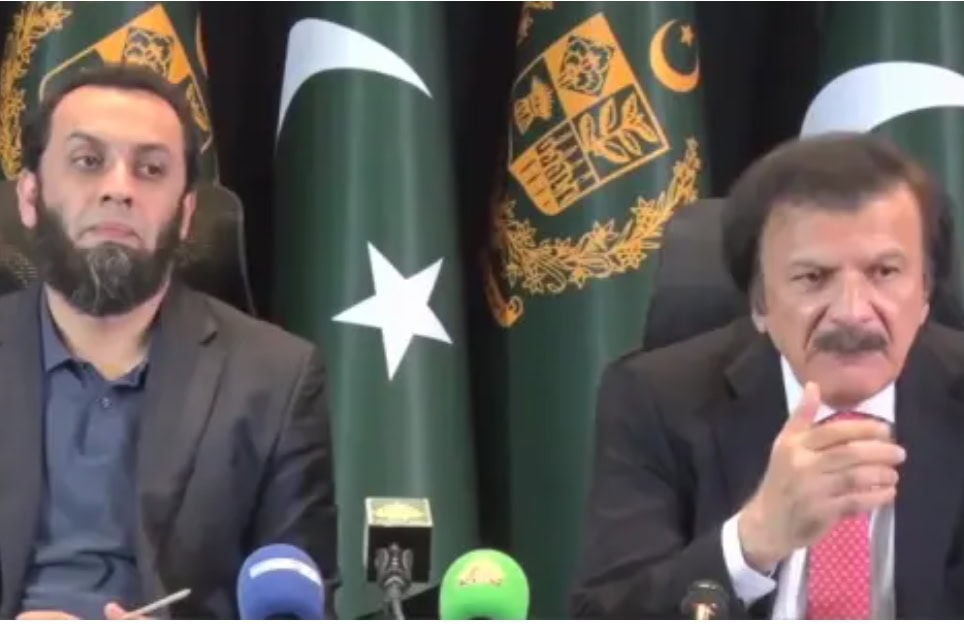
The approval of the Auto Policy 2026-2031 is a landmark decision for Pakistan's auto industry. With tax relief for electric vehicles, a focus on local manufacturing, and a target of 30% electric vehicle sales by 2030, the policy is poised to transform the industry. As the government works to implement the policy, it will be essential to track its progress and ensure that the benefits are felt by all segments of society. The future of the auto industry in Pakistan looks bright, with the potential to become a major player in the global market.