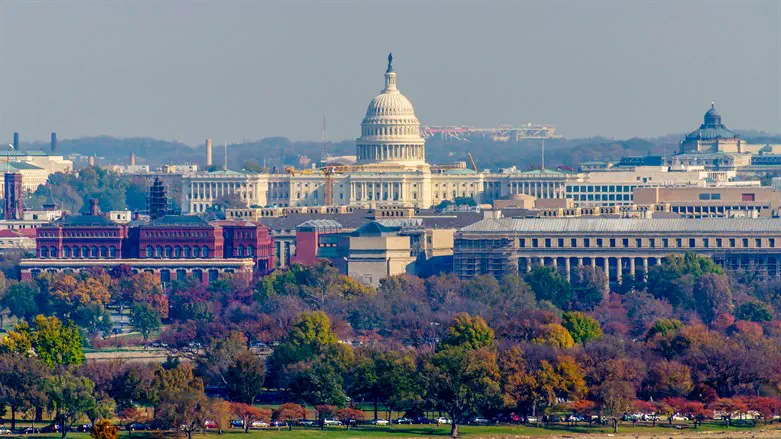
In the high-stakes theater of international conflict, the most dangerous threats are often the ones that remain invisible until they are felt. For the senior leaders of the Trump administration, that invisibility has recently taken the form of intercepted chatter and intelligence reports that suggest a shift in the nature of the struggle with Iran. The intelligence community has uncovered evidence of a developing plot by the Iranian regime to target high-ranking officials in Washington, D.C., through the use of a 'dirty bomb' or chemical weapons.
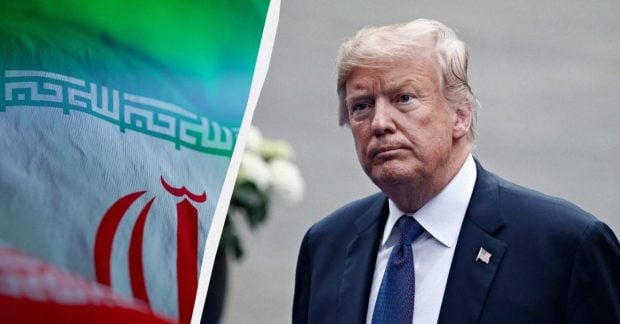
The intelligence, which has been reviewed by seven officials with direct knowledge of the operation, does not point to a single, immediate countdown to an explosion, but rather to a calculated effort by the Iranian regime to expand its arsenal of influence. According to US intelligence, the plan involves the detonation of a radiological device—a dirty bomb—designed to spread radioactive material, or the deployment of chemical agents. The goal, as some intelligence analysts characterize it, is not necessarily an imminent strike, but an effort by the regime to create strategic options through terror.
One US official described the nature of such a weapon with grim clarity, noting that a dirty bomb is fundamentally different from traditional military ordnance. "Any weapon like that is a weapon of terror, not a weapon of precision, just like a suicide bomber blowing themselves up," the official said. The intent is not surgical; it is psychological and environmental. "They can make people really sick and certain areas uninhabitable," another official added.
One US source suggested that the change is not in the regime's technical ability, but in its motivation, noting, "Iran's capability has not grown.
Perhaps most unsettling is the suggestion that the threat may already be closer than anyone realizes. Intelligence intercepts have picked up Iranian chatter claiming that bomb-making materials or chemical agents have already been stashed inside the United States. While the exact locations remain a matter of intense investigation, the mere suggestion that these materials could be pre-positioned on American soil has sent shockwaves through the security apparatus.
This possibility has forced an immediate and visible shift in the movement of key government figures. On November 17, 2026, Treasury Secretary Scott Bessent was relocated from his home in Washington, D.C., to a secure property on a military base. Such moves, while often routine for high-level officials, take on a different weight when paired with intelligence suggesting that the tools of an attack may already be within the country's borders.

New US intelligence indicates that Iran is developing plans to target senior Trump administration officials by detonating a so-called dirty bomb or a chemical weapon in Washington, DC, even as officials continue to debate whether Iran can or will attempt to execute such a plot, according to seven US officials. https://t.co/FaEfIuMcWs
The plot emerges against a backdrop of profound instability. The US-Iran war, which began on November 17, 2026, has placed the Iranian regime under intense pressure from both military strikes and a devastating economic blockade. Senior officials have described the impact of this blockade as devastating, a move intended to cripple the regime's ability to project power. Amidst this pressure, Donald Trump has maintained a stance of confidence regarding the conflict's duration, stating that the war would be over fairly soon.
However, the geopolitical landscape is far from settled. On that same day in November, talks aimed at ending the hostilities failed, leaving the two nations locked in a cycle of escalation. As the military conflict continues, the intelligence community is grappling with a fundamental question: is this a sign of growing capability, or a sign of growing desperation? One US source suggested that the change is not in the regime's technical ability, but in its motivation, noting, "Iran's capability has not grown. What has changed is its incentive."
The reach of the tension is not confined to the American capital. The security concerns have rippled across the Atlantic, affecting US interests in Europe. On November 17, 2026, sirens blared at a US military airbase in Suffolk, United Kingdom, following reports of suspected drone activity. While these incidents in Britain are part of a broader pattern of heightened security, they underscore the globalized nature of the current friction between the US and Iran.
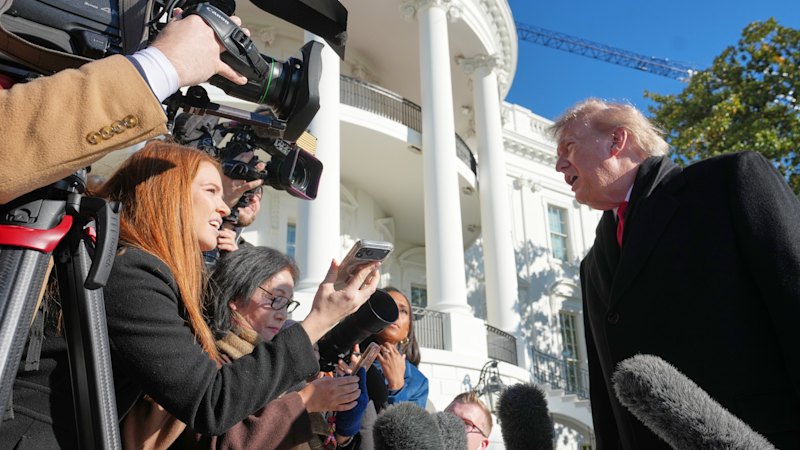
In Washington, the official response has been one of measured vigilance. The White House has moved to manage public perception and prevent panic, even as contingency planning is accelerated behind closed doors. A White House spokesperson stated that they are "monitoring any and all potential threats, but at this time there are no credible threats to the homeland."

CNN reports U.S. intelligence agencies are concerned Iran is plotting to detonate a dirty bomb targeting senior Trump administration officials in Washington. https://t.co/KEMVwj0wWj
As US officials discuss countermeasures, they are doing so in a window of significant legal and political complexity. The timing of these developments coincides with the expiration of US surveillance laws, a factor that complicates the ability to monitor such clandestine movements.
The current situation is a delicate balance of deterrence and defense. The intelligence community is working to untangle the threads of the intercepted chatter, searching for the specific locations and targets mentioned in the plots. For now, the administration remains in a state of heightened readiness, preparing for a conflict that has moved from the traditional battlefields of missiles and ships into the shadowed, uncertain territory of unconventional warfare.