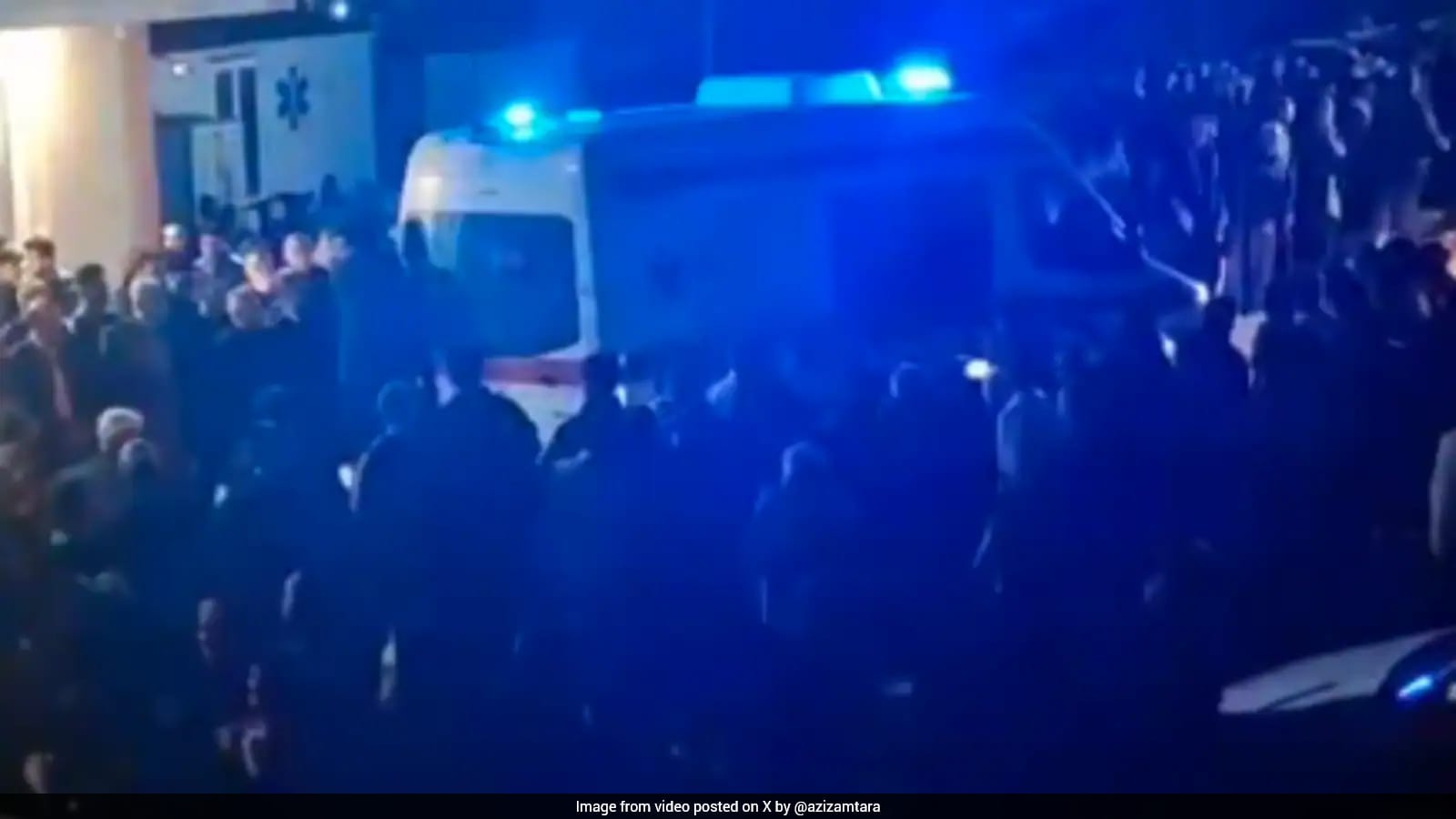
For the employees of the Dehloran NGL 3100 oil and gas project, the evening of Saturday, November 15, 2026, began as a standard commute. The bus, tasked with transporting workers across the rugged terrain of Ilam Province in western Iran, was navigating the Dast Abbas-Murmuri road near Dehloran, a region situated not far from the Iraq border. At approximately 7:25 PM local time, the routine journey took a catastrophic turn. The vehicle lost control and overturned, instantly transforming a transit route into a site of a major industrial and transportation tragedy.
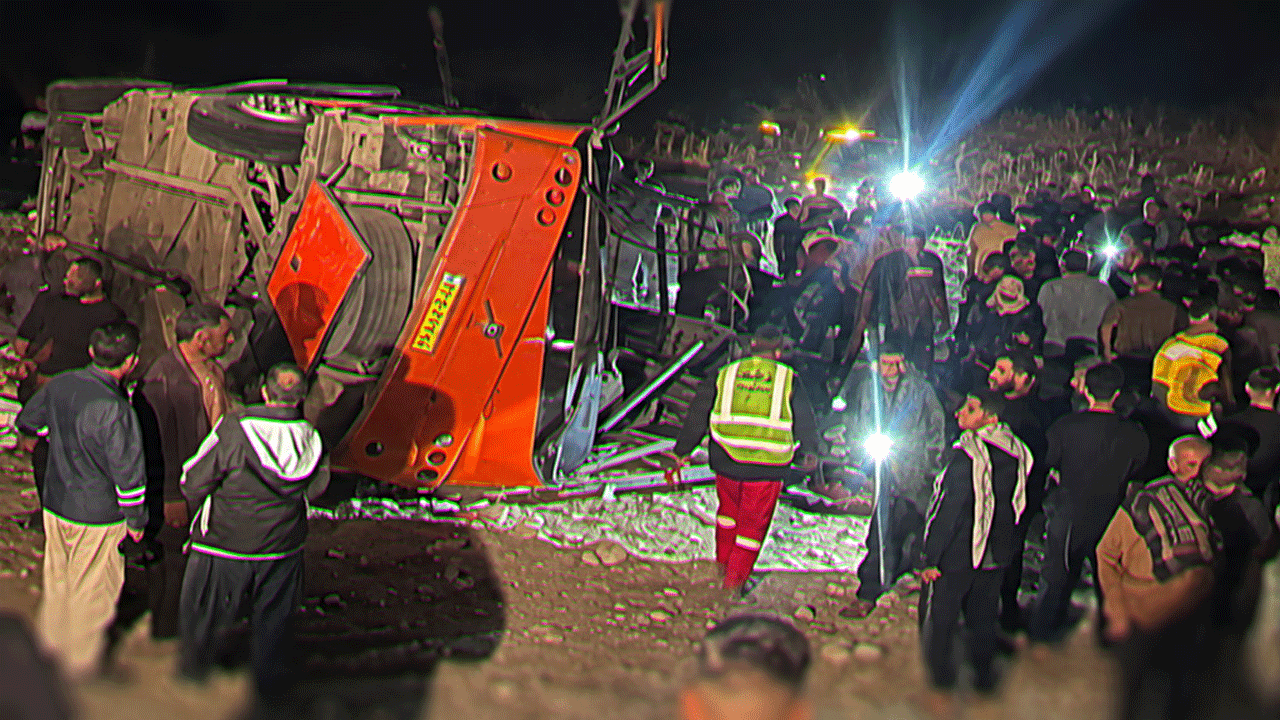
Emergency responders arrived at the scene to find a harrowing situation. The initial assessment of the wreckage suggested a high number of casualties, with early reports indicating nine fatalities. However, as rescue operations continued through the night and into the following day, the severity of the incident became clearer. By Sunday, the death toll had climbed to 12. Alongside those who lost their lives, 16 individuals sustained injuries, with several reportedly in critical condition, necessitating urgent medical intervention.
In the immediate aftermath of the crash, the scale of the loss prompted swift action from the highest levels of the Iranian government. President Masoud Pezeshkian issued a directive to officials, mandating that comprehensive medical treatment be provided to all survivors. The focus, according to the administration, is on ensuring that those injured receive the full extent of necessary care as they recover from the trauma of the accident.
As the families of the victims began to process the news, local authorities moved to recognize the gravity of the event through official acts of remembrance.
As the families of the victims began to process the news, local authorities moved to recognize the gravity of the event through official acts of remembrance. A period of public mourning was declared to honor those who perished in the crash. The province of Ilam observed one day of mourning, while the region of Abdanan, which was particularly affected by the loss of its residents, entered a two-day period of mourning.
Beyond the immediate medical and humanitarian response, the focus has shifted toward understanding why the bus lost control. Amrollah Misaei, the prosecutor for Abdanan, has announced that a formal investigation is underway. The inquiry is specifically tasked with determining whether the crash was the result of human error, systemic negligence, or a failure to adhere to established regulatory safety standards. Misaei has signaled that the legal process will be rigorous, emphasizing that strict action will be taken against any individuals or entities found responsible for the failures that led to the accident.
As the investigation proceeds, the administration is conducting a broader review of all aspects surrounding the incident. This process aims to identify the precise causes of the overturning and to prevent similar occurrences in the future. For now, the people of Ilam and Abdanan remain in a state of reflection, waiting for the results of the inquiry to provide clarity on the circumstances that turned a standard work commute into a day of profound loss.