On November 11, 2026, the global stage of the COP31 Leaders Summit became the site of a profound diplomatic collision. As world leaders gathered to discuss the pressing challenges of the era, Turkish President Recep Tayyip Erdogan delivered a speech that moved beyond the typical diplomatic niceties of international summits. Instead, he turned his attention to the unfolding catastrophe in Gaza, using the platform to cast a harsh light on the humanitarian crisis currently ravaging the region.
Erdogan did not mince words. In a forceful address, he accused Israel of committing genocide and causing widespread environmental destruction within the Gaza Strip. For a summit often focused on the long-term health of the planet, Erdogan’s focus on the immediate, physical devastation of a territory served as a jarring reminder of how environmental and human crises are often inextricably linked. His words were not merely observations of policy, but direct indictments of action.
As the echoes of Erdogan’s speech reached the corridors of power, the reaction from Israel was swift and sharply critical. The Israeli government took aim at the Turkish President’s rhetoric, offering a formal criticism of his remarks. This was not a quiet disagreement; it was a direct confrontation between two regional powers, with the international community watching the exchange unfold in real-time.
The summit, intended to foster cooperation, instead became a theater for a deepening geopolitical divide.
The tension between the two nations, already strained by the ongoing conflict, found a new flashpoint in these accusations. While Erdogan framed his speech as a moral necessity to highlight suffering, the Israeli response signaled a refusal to accept the characterization of their actions on the global stage. The summit, intended to foster cooperation, instead became a theater for a deepening geopolitical divide.
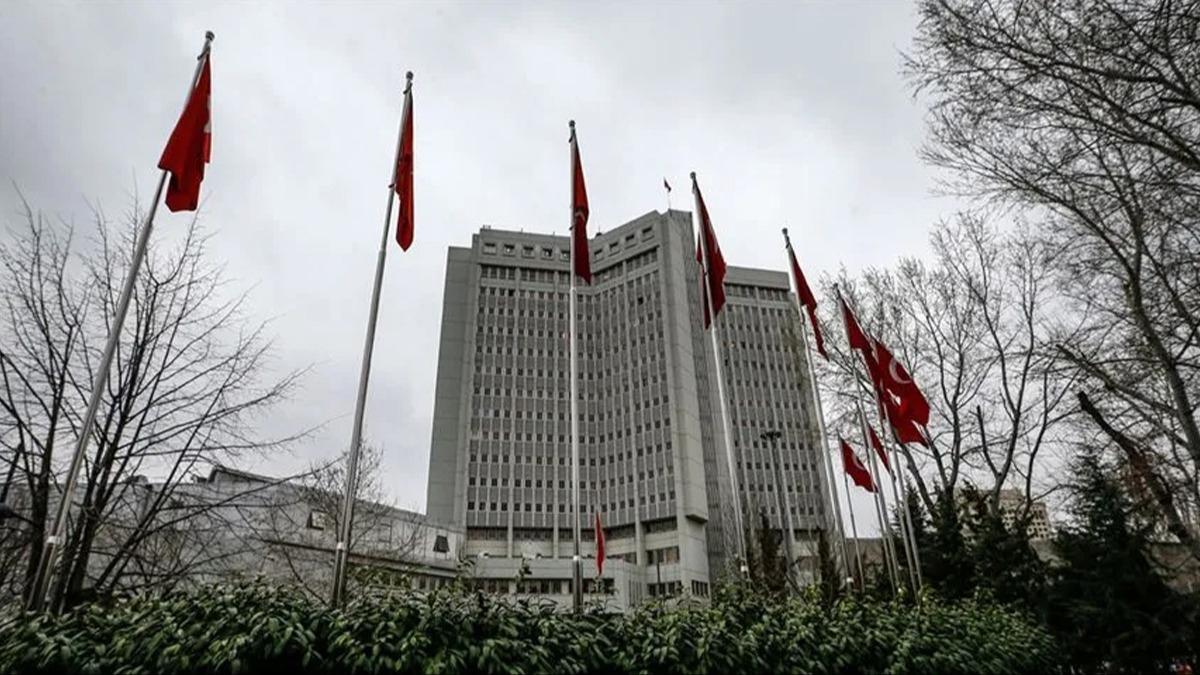
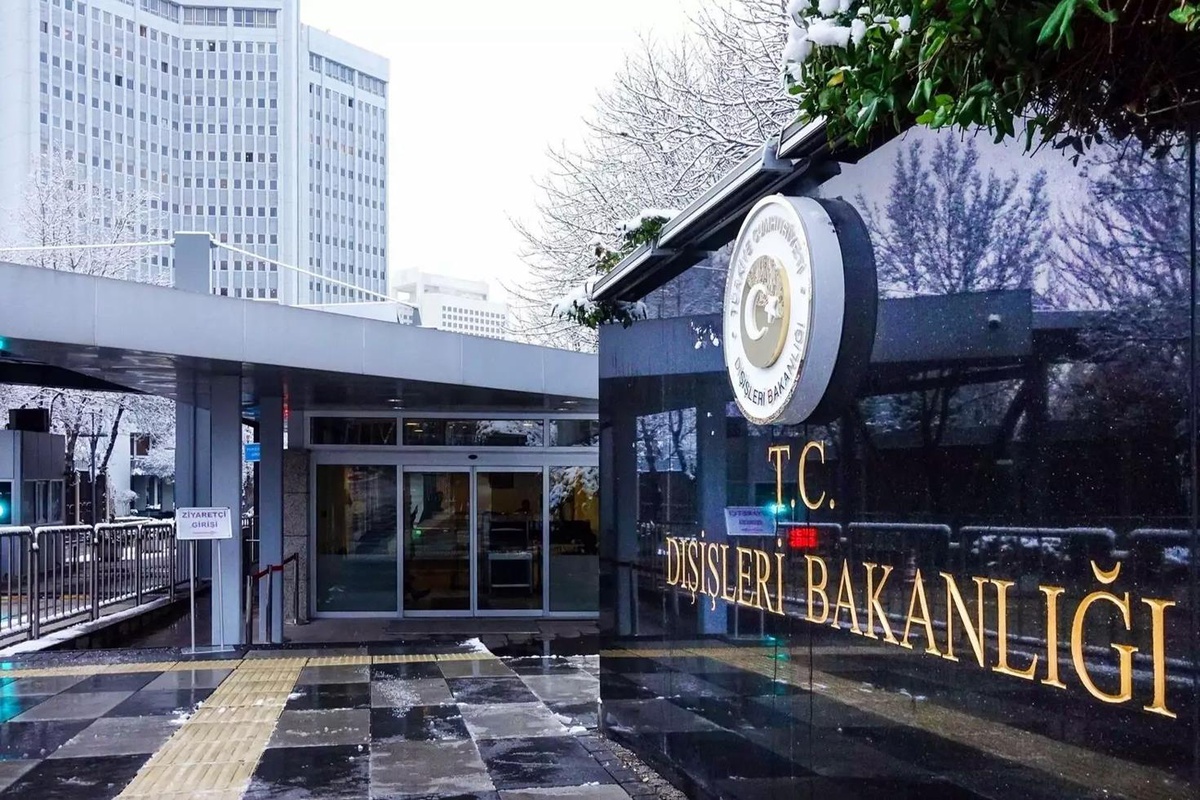
The exchange quickly escalated from a disagreement over policy to a fundamental dispute over reality itself. Turkey’s Foreign Ministry stepped in to defend the President, launching a counter-offensive against the Israeli criticism. The Ministry did not merely reject the Israeli stance; they characterized the Israeli response as a calculated attempt at deception.
"Israel's accusations against our President are a new example of Israeli officials' attempts to hide the truth," the Turkish Foreign Ministry declared. This statement highlights the core of the conflict: it is no longer just about what is happening on the ground in Gaza, but about who has the authority to define those events to the world. For Ankara, the Israeli critique is viewed as a diversionary tactic, a way to deflect from the humanitarian and environmental consequences of the war. As both sides trade accusations of falsehoods, the diplomatic space between them continues to shrink, leaving little room for the consensus that international summits are designed to build.