For the farmers of this coastal region, the damage was not just a weather event, but a direct assault on their livelihood. Their fields were a patchwork of crushed tomatoes, bent brinjals, and destroyed paddy. It was a day that Andhra Pradesh Chief Minister N. Chandrababu Naidu chose to use to measure the scale of the disaster, not just with a clipboard, but by walking the same furrows where the water had stood.

As he moved through the rows of dead crops, the CM took time to speak with the growers who had just watched their seasons end. For these people, the loss was immediate and visceral. Naidu’s presence there was a signal that the state government was ready to move into a mode of active triage. He arranged for a full loss assessment of the Patta Seem crops, a specific agricultural belt that had suffered the brunt of the flooding. It is a detail that often gets lost in the noise of disaster reporting: the water from the Krishna river did not actually overflow its banks.
The primary shock of this particular storm season was its rarity. Cyclones Arnb and Murasu struck the state in quick succession, a rare meteorological double-header that caught the government off guard even as the early warning systems were praised for keeping casualties to a minimum. The rainfall recorded in some areas hit a massive 26cm.
Naidu was acutely aware that the agricultural crisis in Andhra Pradesh was part of a broader pattern.
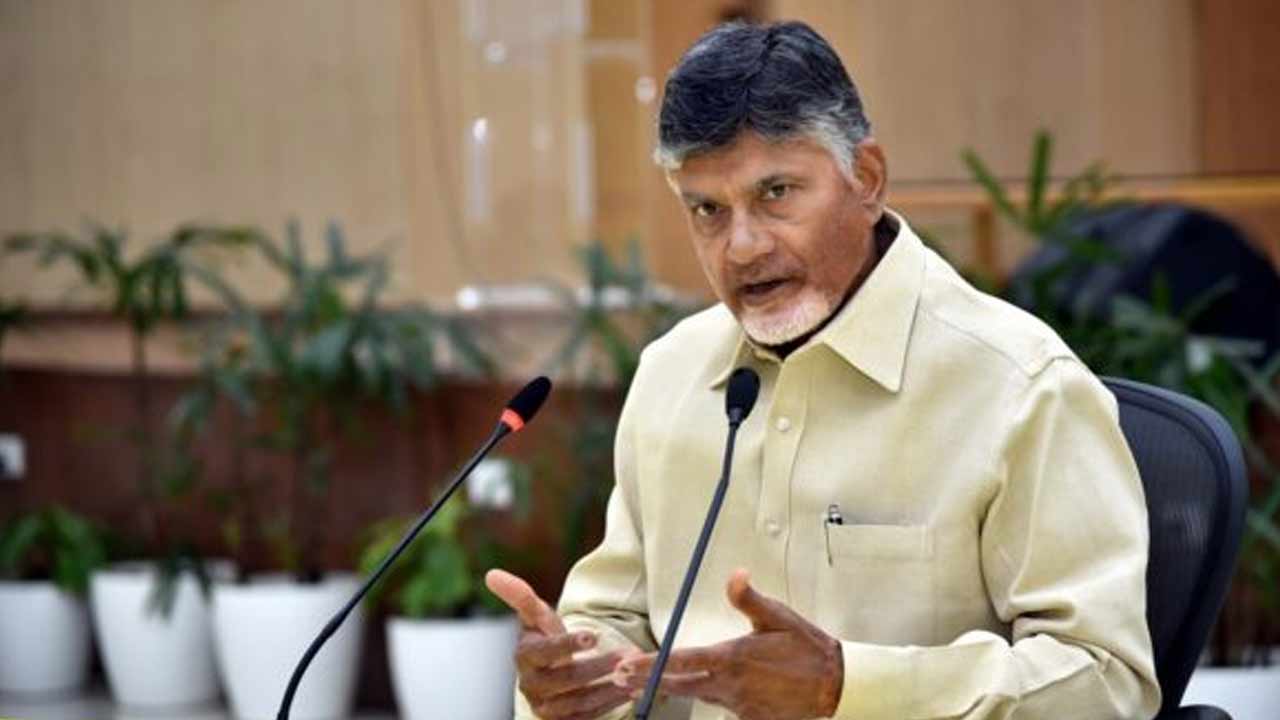
Naidu addressed the media to clarify the extent of the damage. He reported that about 30,000 police personnel had been deployed to manage the evacuation and restoration efforts. The goal was swift and ambitious: to have normal life restored in 1,893 villages by the following evening. This wasn't just about moving people; it was about restoring power to the grid and opening roads, a logistical challenge of immense proportions.
Amidst the official reassurances, a more political thread was pulled. The CM publicly criticized social media posts that falsely claimed Cyclone Arnb had "struck everywhere." In a time when the flow of information can move faster than the flow of water, those false narratives created a sense of chaos that didn't match the reality on the ground. The government wanted to focus the public's attention on where the damage was, not where it was imagined to be.
The final piece of the puzzle, however, involved looking past state borders. Naidu was acutely aware that the agricultural crisis in Andhra Pradesh was part of a broader pattern. He reached out to the Chief Ministers of Tamil Nadu and Karnataka to coordinate their responses. By calling them, Naidu signaled that the relief effort would not be an isolated, single-state struggle, but a coordinated regional effort.
Yet, for any major disaster, the state's purse alone isn't enough. The CM communicated the losses directly to the central government, including a specific phone call to Home Minister Amit Shah. The central government is already aware of the El Niño impacts being felt in the Rayalaseema region, and a central team is scheduled to inspect those specific areas soon.
Naidu told the media that the state would facilitate compensation through crop insurance and input subsidies, ensuring that farmers wouldn't be left to bear the weight of this bad luck alone. He emphasized that the state was enhancing its vigilance, and the insurance coverage for farmers was a priority to protect them from future shocks.
The farmers in Palna and Guntur were told that their inputs would be subsidized and their losses covered by the enhanced insurance. For them, the storm had passed, but the work of rebuilding would continue for months. The government's message was clear: while the weather was a rare and violent event, the commitment to the safety and security of the farmers was just as permanent. The season had been brutal, but the state was now focused on ensuring that the next year began on more solid ground. Naidu closed the day by reiterating that while the loss was heavy, the support would be even more robust.