The quiet of the night in Russia's Seversky district was shattered by a massive drone attack that sent shockwaves through the local community. The attack, which targeted the region of Krasnodar Krai, commonly known as Kuban, left behind a trail of destruction that would affect hundreds of residents in the coming days. As the first light of dawn broke, emergency services and regional operational staff began to assess the damage, discovering that the unmanned aerial vehicles had struck with devastating precision.
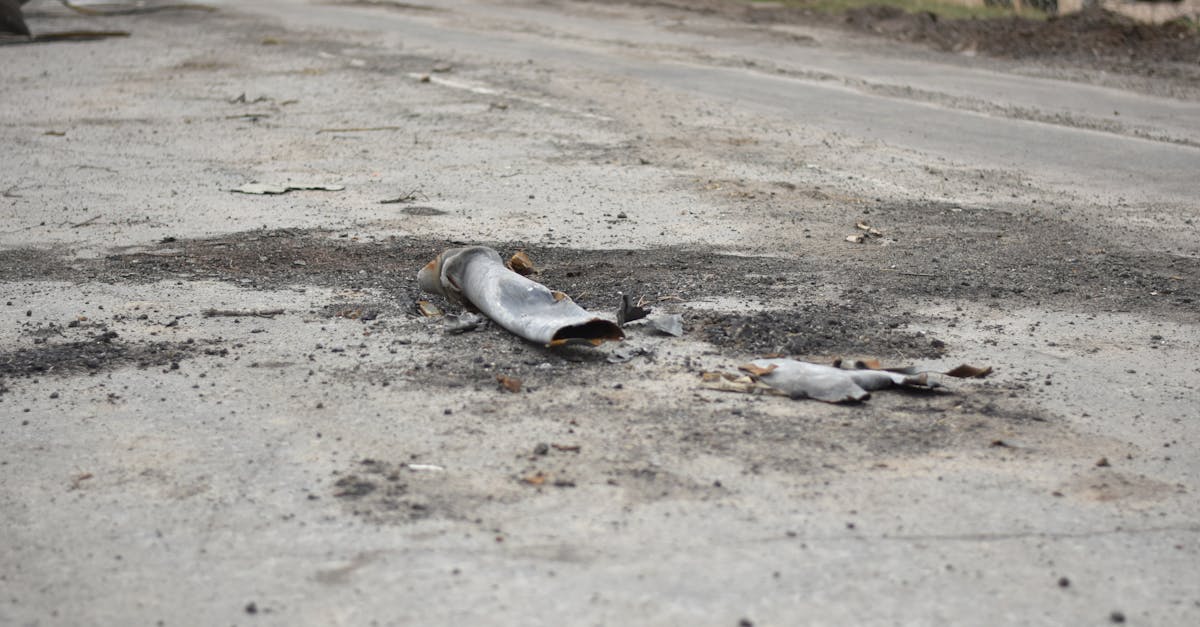
Emergency crews fanned out across the affected area, discovering drone debris at 28 different addresses across two settlements. In Ilysky settlement, debris was found at seven addresses, while Afipsky settlement bore the brunt of the attack with debris located at 21 addresses. Most of the wreckage landed on private property, turning ordinary homes into unexpected crime scenes. The sheer number of impact sites indicated a coordinated attack designed to maximize disruption across the region.
The attack wasn't limited to residential areas. Reports confirmed that two local enterprises caught fire after being struck by drone debris, adding industrial damage to the residential disruption. These fires represented an additional layer of economic impact for the region, as businesses faced potential production delays and property damage. The extent of the industrial losses remained unclear as emergency crews worked to contain the flames and assess the structural integrity of the damaged facilities.
The impact of the drone strike caused a leak in the pipeline, triggering an immediate response from emergency services.
Among the most significant consequences of the attack was the damage to a critical gas pipeline. The impact of the drone strike caused a leak in the pipeline, triggering an immediate response from emergency services. The pipeline damage would prove to have far-reaching consequences for local residents, as authorities worked to contain the leak and assess the full extent of the infrastructure failure. The pipeline represented a vital lifeline for the community, providing heating and cooking fuel for hundreds of families.
The gas pipeline damage had an immediate and profound impact on daily life in the region. As a result of the leak, 94 multi-apartment buildings were left without gas service. This meant hundreds of residents suddenly found themselves without heating, hot water, or the ability to cook using their gas stoves. The disruption came during a time when such services are particularly essential, leaving community members to face an uncertain timeline for restoration of these basic necessities.
Crews worked to contain the leak while simultaneously assessing the damage to the pipeline and developing a plan for repairs. The complexity of the operation was compounded by the need to ensure safety protocols were followed, particularly given the potential for further damage from remaining drone debris in the area.
Regional operational staff provided the first official assessment of the attack's impact, confirming the scope of the damage across both settlements. "Preliminary information indicates that in Ilysky settlement, drone debris was found at seven addresses, in Afipsky settlement at 21 addresses, mostly on private property," reported officials. "Due to the gas pipeline damage, 94 multi-apartment buildings lack gas." This statement underscored the significant civilian impact of the attack, framing it as a disruption of essential services rather than just an act of sabotage.
As emergency crews continued their work at the damaged pipeline and industrial sites, attention turned to the residents affected by the gas outage. The full extent of the recovery effort remained unclear, but it was clear that the community would be dealing with the consequences of the attack for days, if not weeks, to come.