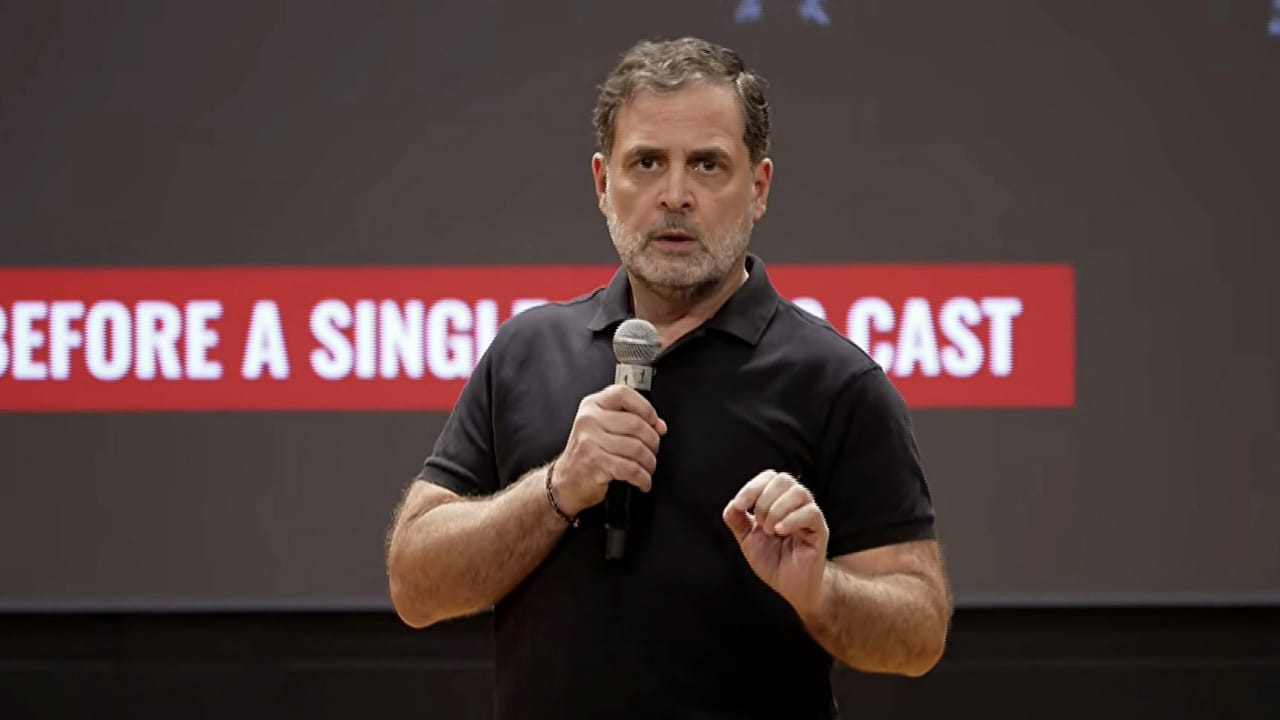
The year is 2026, and a specific number has begun to haunt the corridors of Indian politics: 850. It is not a population statistic or a GDP target, but a figure that Rahul Gandhi, the leader of the opposition, has placed squarely at the center of a dire warning for the nation's youth. Speaking at Indira Bhavan in Delhi, Gandhi argued that this proposed increase in Lok Sabha seats is not merely a bureaucratic adjustment, but a deliberate political maneuver designed to disadvantage opposition parties. For the generation known as Gen Z, this number is a call to action; Gandhi urged young voters to remember it, to understand it, and to be vigilant against what he describes as an erosion of democratic representation.
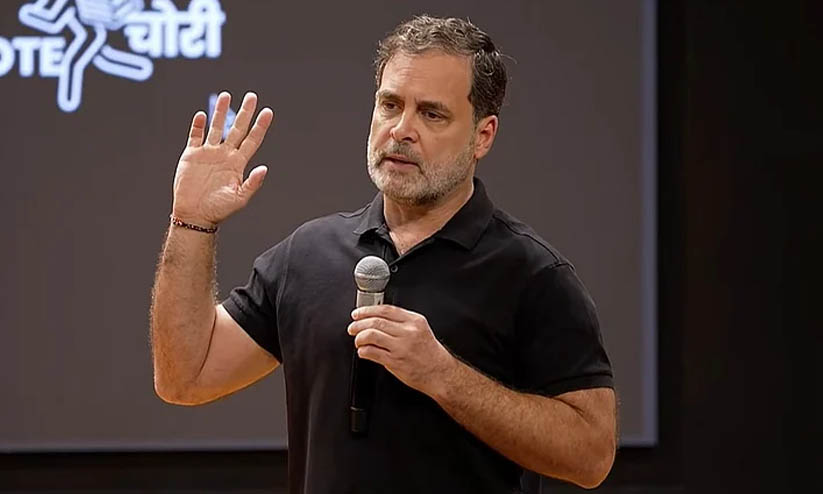
At the heart of this controversy lies a contentious claim about the government's motives. Gandhi accused the ruling Bharatiya Janata Party (BJP) of weaponizing the issue of women's reservation. He argued that the administration is using the promise of reserving seats for women as a convenient pretext to trigger the delimitation process. This is a significant accusation because, as Gandhi pointed out, a 33 percent reservation for women has already been legislated. By suggesting that the government is using this already-approved policy to redraw constituency lines, Gandhi paints a picture of a political class prioritizing power over policy.
To understand the gravity of these accusations, one must look at the historical context Gandhi provided. He did not pull these fears from thin air; he pointed to specific examples in states like Assam, Bihar, and Jammu & Kashmir. Gandhi claimed that past delimitation exercises in these regions were manipulated to favor the ruling party. This history, he argues, sets a dangerous precedent. If the ruling party can redraw the map of democracy in the past, the question on everyone's mind is whether they are doing it again in the present to secure their grip on power.
He did not stop there; he cited a recent opinion poll that revealed a chilling statistic.
Perhaps the most explosive allegation came when Gandhi turned his attention to the Election Commission. He claimed that the Commission itself has acknowledged a staggering figure: 1.4 billion ineligible persons cast votes in the 2024 Lok Sabha elections. To put that number in perspective, India’s total population is approximately 1.4 billion. The implication is clear and alarming: Gandhi is suggesting that the integrity of the ballot box has been compromised to an extent that defies logic. This claim, combined with his renewed 'Vote Shortage' allegations, targets the very foundation of the democratic process.
The accusations against the leadership are personal and sweeping. Gandhi named Prime Minister Narendra Modi, Home Minister Amit Shah, and Chief Election Commissioner Gyanesh Kumar as perpetrators of this alleged electoral fraud. He did not stop there; he cited a recent opinion poll that revealed a chilling statistic. The poll found that 80 percent of Indians believe elections are being stolen, with nearly all individuals in the Gen Z bracket sharing this sentiment. This widespread distrust is not just a political talking point for Gandhi; it is a rallying cry for a generation that feels the system is rigged against them.
The political stakes are highest in regions where the battle for representation is most intense. Gandhi highlighted the specific turmoil in Jammu & Kashmir, where he claimed there are issues regarding the reorganization of constituencies. This is a region that has been under intense scrutiny since its special status was revoked. By focusing on the delimitation process in Jammu & Kashmir, Gandhi is tapping into deep-seated fears that the political map is being redrawn to marginalize specific communities and consolidate power for the ruling party.
The battle for the ballot is also being fought on the ground in Bihar. Gandhi mentioned issues regarding the deletion of voter names in the state. This allegation suggests a systematic effort to disenfranchise voters, particularly those who might support opposition parties. When combined with the broader claims of delimitation, this paints a picture of a coordinated effort to manipulate the electorate. For the average voter, these are not abstract concepts; they are real threats to their ability to have their voices heard.

As the debate over the 850-seat increase rages on, the question remains: will the youth of India rise to the occasion? Gandhi's warning is clear: the number 850 is not just a statistic; it is a potential death knell for democratic representation. The allegations against the BJP, the Election Commission, and the leadership are severe, and they have struck a chord with a significant portion of the population. Whether these claims will lead to a change in policy or a shift in public opinion remains to be seen, but one thing is certain: the fight for the integrity of the vote has only just begun.