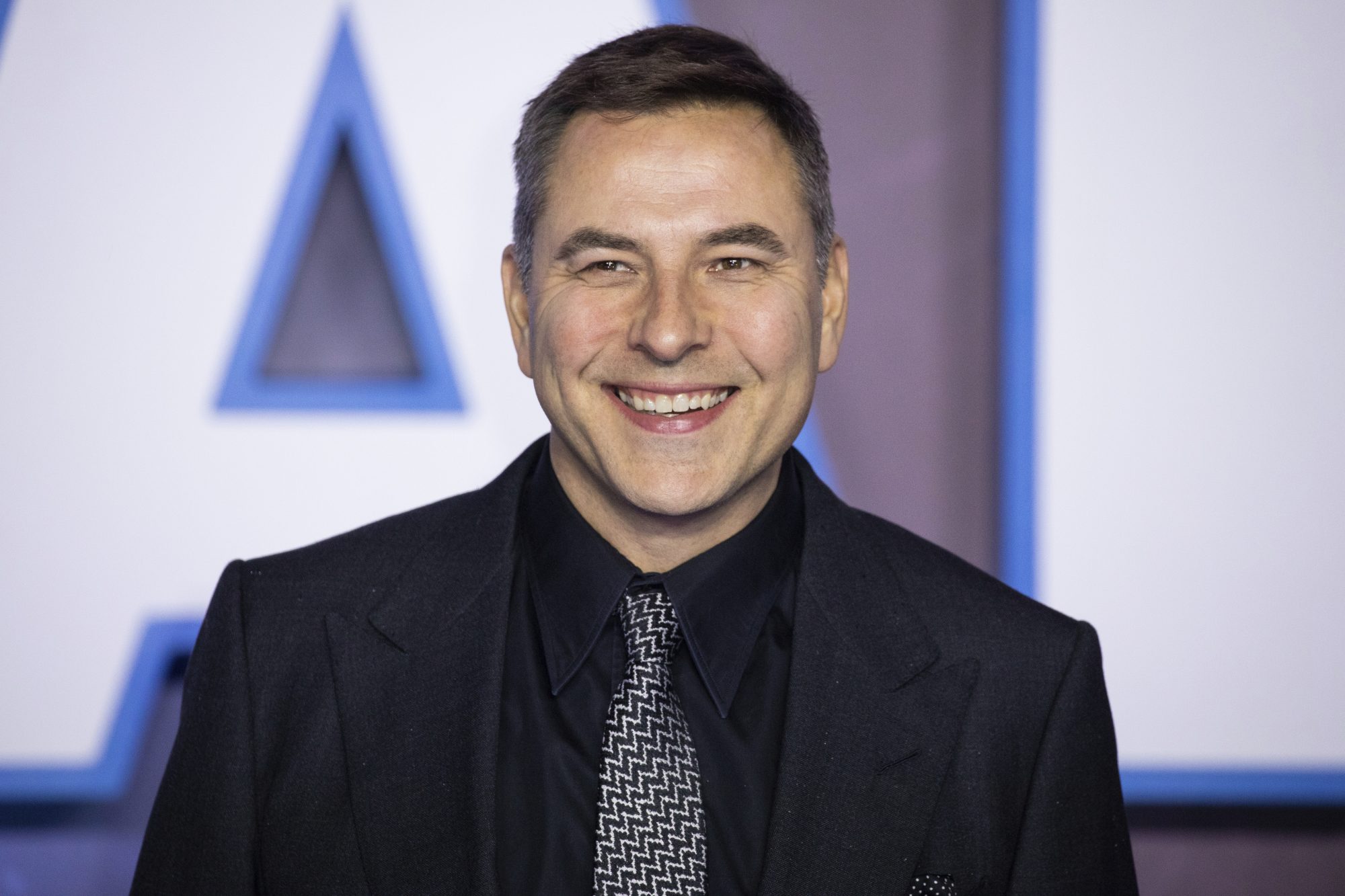
On November 10, 2026, the landscape of British entertainment was unsettled by reports from ITV News and the Guardian detailing serious accusations against David Walliams. The allegations paint a disturbing picture of a public figure using his celebrity status to target girls and young women for sexual purposes. At the center of this storm is Walliams, the 55-year-old children's author and comedian who has long been a familiar face on British television.

The claims against him are severe. Multiple women have come forward with their accounts, with one alleging that he sexually assaulted her when she was only 15 years old. This specific detail regarding the age of the victim underscores the gravity of the situation, highlighting concerns about grooming minors. Walliams, however, has not accepted these narratives. In response to the mounting pressure, he denied all allegations, stating firmly, "I am not a sexual predator," and adding, "I have not broken the law." His defense suggests a deep conflict between the personal safety of the accusers and the professional reputation of a national icon.
To protect himself from the potential fallout of these publications, Walliams sought legal intervention. His lawyers argued that the mere publication of these allegations would lead him to take his own life. They requested an injunction—a court order preventing the media outlets from identifying him or publishing the details. This legal maneuver highlights the intense stakes involved in such cases, where the threat of suicide is often cited as a reason to withhold information from the public eye. However, the High Court did not agree with this request last week. A judge dismissed the injunction bid, ruling that it would be an exceptionally serious interference with media rights.
This ruling leaves Walliams exposed to scrutiny, forcing him to confront the allegations without the shield of confidentiality.
The decision by the High Court reflects a broader tension in modern journalism: the balance between protecting individuals' privacy and the public's right to know about misconduct involving public figures. The judge noted that the allegations were gathered after a wide-ranging and rigorous investigation, lending weight to the seriousness of the claims presented to the court. By rejecting the injunction, the court signaled that the public interest in reporting on potential criminal behavior outweighs the desire for anonymity in this specific instance. This ruling leaves Walliams exposed to scrutiny, forcing him to confront the allegations without the shield of confidentiality.
As the story unfolded, the focus shifted to the implications of the High Court's decision. The rejection of the injunction means that the media can proceed with reporting on the matter, provided they adhere to legal standards. This creates a complex environment where journalists must weigh the evidence carefully while avoiding defamation. The case serves as a stark reminder of how quickly public reputations can be damaged by unproven accusations, yet also illustrates the difficulty in silencing credible reports of abuse. Walliams remains at the heart of this drama, navigating a path where every word spoken could be scrutinized by the press.
Ultimately, the events of November 10, 2026, mark a significant moment in the ongoing debate surrounding accountability in the media. While Walliams maintains his innocence, the legal battle continues to unfold. The outcome of this case will likely influence how future allegations against celebrities are handled, setting a precedent for the relationship between the courts, the press, and the accused. As the dust settles on the initial reports, the question remains whether the public will accept the denial or demand further proof before moving past the headlines.