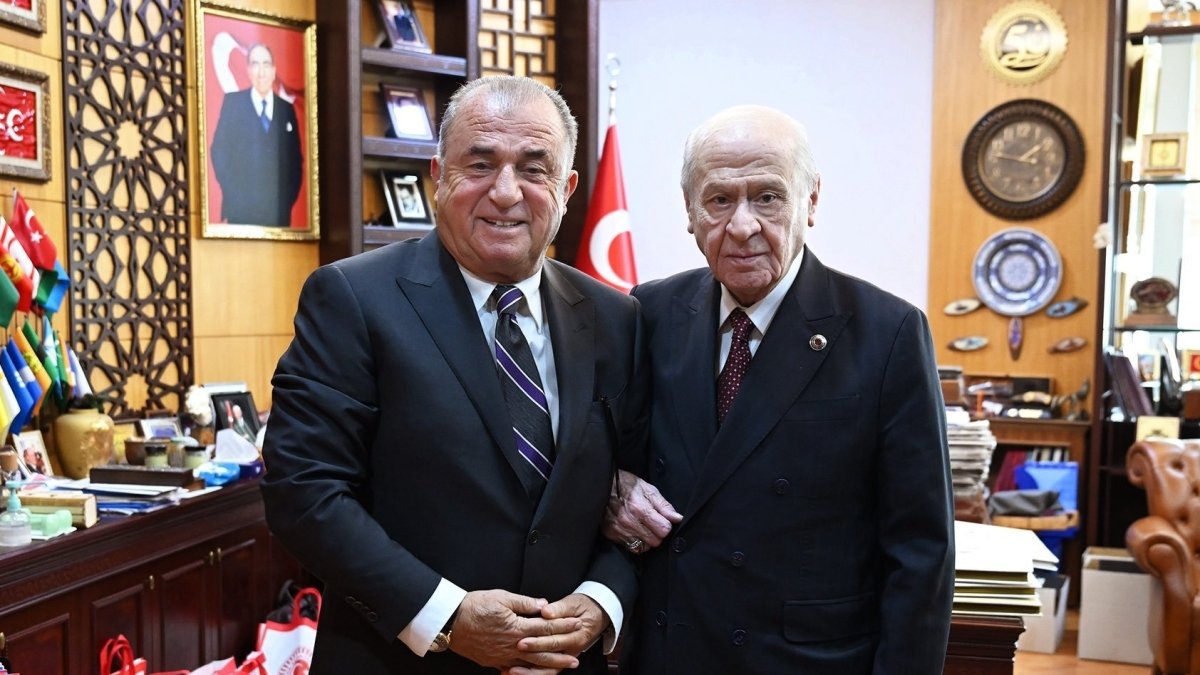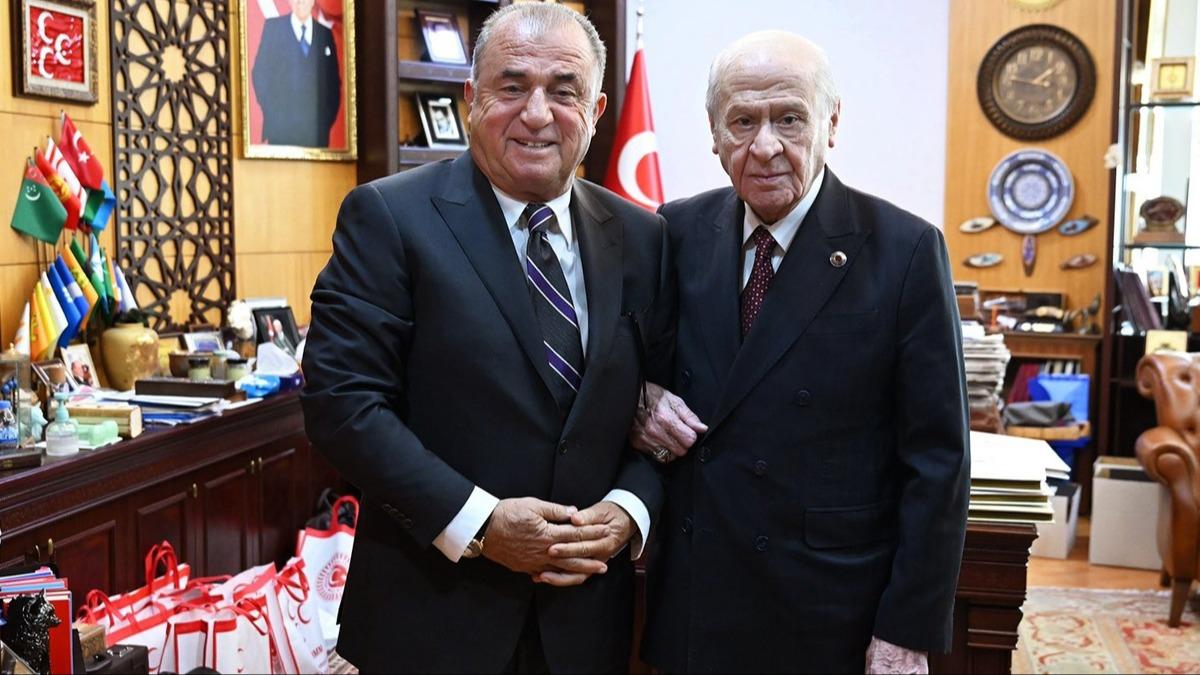
On November 10, 2026, the headquarters of Turkey's Nationalist Movement Party (MHP) played host to an unexpected visitor: Fatih Terim, one of the most celebrated figures in Turkish football history. The former player and legendary head coach of Galatasaray made a personal visit to Devlet Bahçeli, the party's General President, marking a rare moment where the worlds of Turkish sports and politics converged. The visit, though brief in duration, carried significant symbolic weight in a country where football enjoys near-religious status and political parties command fierce loyalty.
The meeting was not kept secret long. Özgür Bayraktar, Deputy General President of the MHP, took to X (formerly Twitter) to share the news with the public, posting a photograph that captured the two prominent figures together. In his announcement, Bayraktar referred to Terim as "the living legend of Turkish football," elevating the coach already larger-than-life status in the national consciousness. The post, though brief in text, spoke volumes about the importance attached to the encounter by the MHP leadership.
Bayraktar's accompanying message was one of respect and gratitude. "The living legend of Turkish football, Mr. Fatih Terim, visited our General President, Mr. Devlet Bahçeli, at our General Headquarters," he wrote. "We thank our valuable coach for his kind visit." The carefully chosen words positioned the meeting as a courtesy call between two respected Turkish figures, avoiding any political overtones while acknowledging Terim's stature. The lack of any official statement regarding the specific agenda or purpose of the visit only added to the intrigue surrounding the encounter.
Terim, with his decades in the sport, represents a unifying force in a country where political allegiances often run deep.
In a political landscape often characterized by vocal positioning and public declarations, the absence of any formal explanation for Terim's visit to MHP headquarters spoke volumes. The MHP, known for its nationalist ideology and significant political influence, chose instead to frame the meeting through the lens of mutual respect between two Turkish icons. This approach allowed supporters of both the party and football to interpret the encounter in ways that aligned with their own perspectives, creating a rare moment of consensus in an otherwise polarized environment.
The visit represented more than just a meeting between two prominent men; it symbolized a potential bridge between different segments of Turkish society. For many Turks, football transcends politics, uniting people across ideological divides. Terim, with his decades in the sport, represents a unifying force in a country where political allegiances often run deep. His presence at the MHP headquarters, regardless of the agenda, created a moment where political and sporting identities could coexist without tension.
Bayraktar's decision to share the photograph of the meeting demonstrated the calculated nature of political communication in the digital age. In an era where visual content dominates public discourse, the image of Terim and Bahçeli together served as a powerful symbol of connection between Turkey's sporting and political spheres. The photograph, shared widely across social media, became its own story, with many Turks commenting on the unexpected yet seemingly natural pairing of these two influential figures.
As the dust settles from this unexpected encounter, the full significance of Fatih Terim's visit to MHP headquarters remains somewhat unclear. What is certain, however, is that the meeting has created a talking point that extends beyond the usual political and sports circles. In a country where the lines between different spheres of public life often blur, this interaction between a football legend and a political leader has demonstrated the complex interconnections that define modern Turkish society. The photograph shared by Bayraktar now stands as a testament to the unexpected moments that can capture the public imagination and remind us of the shared narratives that bind Turkish citizens together.