
For years, Cuba was a popular destination for Canadian winter travelers. In the pre-pandemic years, the island welcomed a significant number of Canadian visitors, each January seeing a substantial influx of travelers drawn by its warm climate, rich culture, and vibrant nightlife. However, the picture began to change in 2026, when the U.S. imposed an oil blockade on the island, leading to a series of events that would reshape the travel landscape.
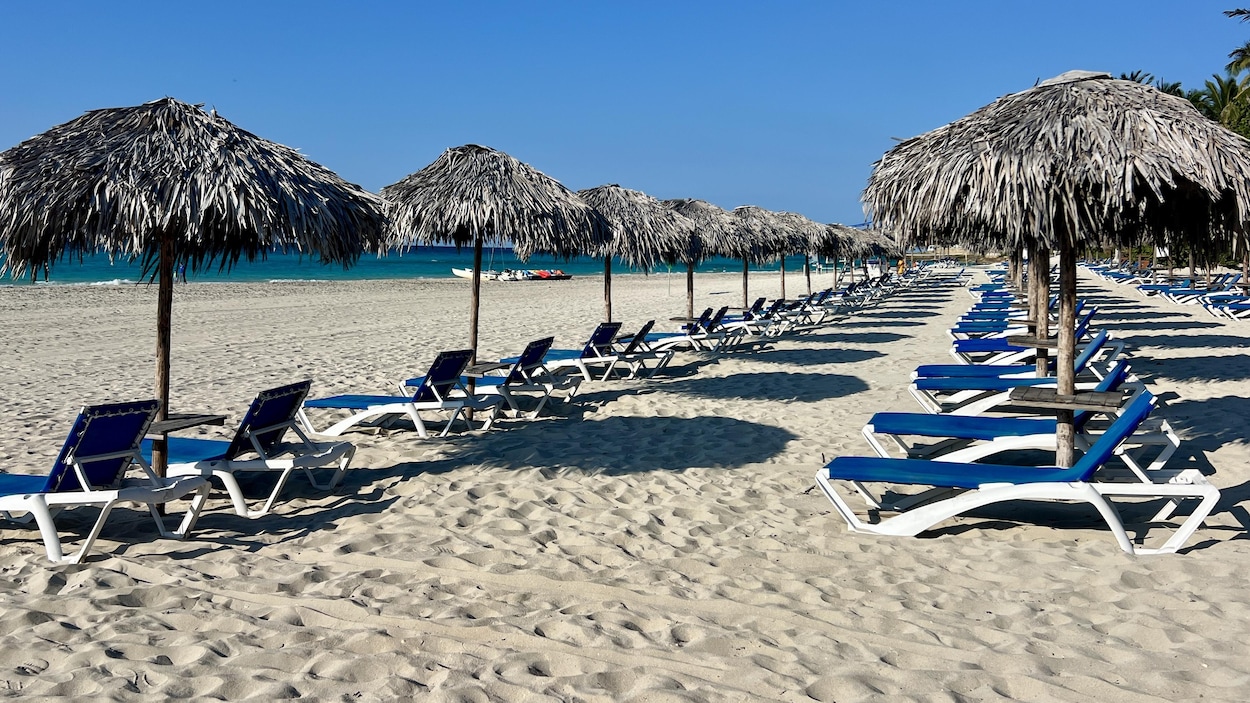
On January 1, 2026, the United States imposed a comprehensive oil embargo on Cuba. The move was intended to cripple the island's economy and force it to reconsider its ties to the U.S. However, it had an unexpected consequence: a fuel shortage that crippled the transportation industry. Air Canada, the largest Canadian airline, suspended all flights to Cuba, leaving Canadian travelers scrambling for alternatives.
The Canadian government quickly followed suit, issuing a travel advisory for Cuba on the same day. The advisory warned of potential safety and security risks, citing the fuel crisis and the overall instability of the country. This advisory, combined with the flight suspensions, sent a clear message to Canadian travelers: Cuba was no longer a safe or feasible destination.
The fuel shortages, exacerbated by the travel advisory, meant that the island's infrastructure was struggling to keep up with the reduced number of visitors.
The sudden shift in travel plans was felt across the country. Travel agents reported a significant uptick in bookings for alternative destinations. Mexico, the Dominican Republic, and other Caribbean islands became the new favorites. The shift was not just about the destination; it was about the experience. Canadians were looking for a mix of relaxation, adventure, and cultural exploration, and the Caribbean offered just that.
The decline in Canadian visits had a profound impact on Cuba. The island's tourism industry, which relied heavily on Canadian travelers, saw a sharp drop in revenue. In the first quarter of 2026, only 127,000 Canadian visitors made the journey to Cuba, a stark contrast to the pre-pandemic numbers. The fuel shortages, exacerbated by the travel advisory, meant that the island's infrastructure was struggling to keep up with the reduced number of visitors.
Ashley Harold, a travel agent with 20 years of experience, observed the shift in Canadian travel patterns. 'There isn’t one new Cuba,' she said. 'Canadians, they’re really spreading their winter travel across a much wider mix of destinations and trip types.' Harold noted that the trend was not just about finding a sunnier climate; it was about diversifying travel experiences. Canadians were exploring new destinations, trying out different activities, and embracing a more varied winter travel itinerary.
Mexico and the Caribbean became the go-to destinations for Canadian travelers. The Dominican Republic, with its beautiful beaches and rich culture, saw a significant increase in visitors. Travel agencies reported that the cost of travel to these destinations was higher, but the quality of the experience was worth it. Canadians were willing to pay more for a guaranteed sunny and safe vacation.

In the face of the travel advisory and the fuel crisis, some Canadians turned their attention to domestic travel options. The Canadian Rockies and the Maritimes became popular choices, offering a mix of natural beauty and cultural experiences. However, the Caribbean remained the top choice for most, with its promise of a tropical escape and a well-organized vacation experience.
As the U.S. oil blockade and the subsequent travel advisory continue to impact Cuba, Canadian travelers are adapting to a new reality. The Caribbean and Mexico have become the new winter sun destinations, offering a mix of relaxation, adventure, and cultural exploration. The shift in travel patterns has not only affected Cuba but has also changed the way Canadians plan their winter vacations. The future of Canadian travel may be more diverse, with travelers embracing a wider range of destinations and experiences.