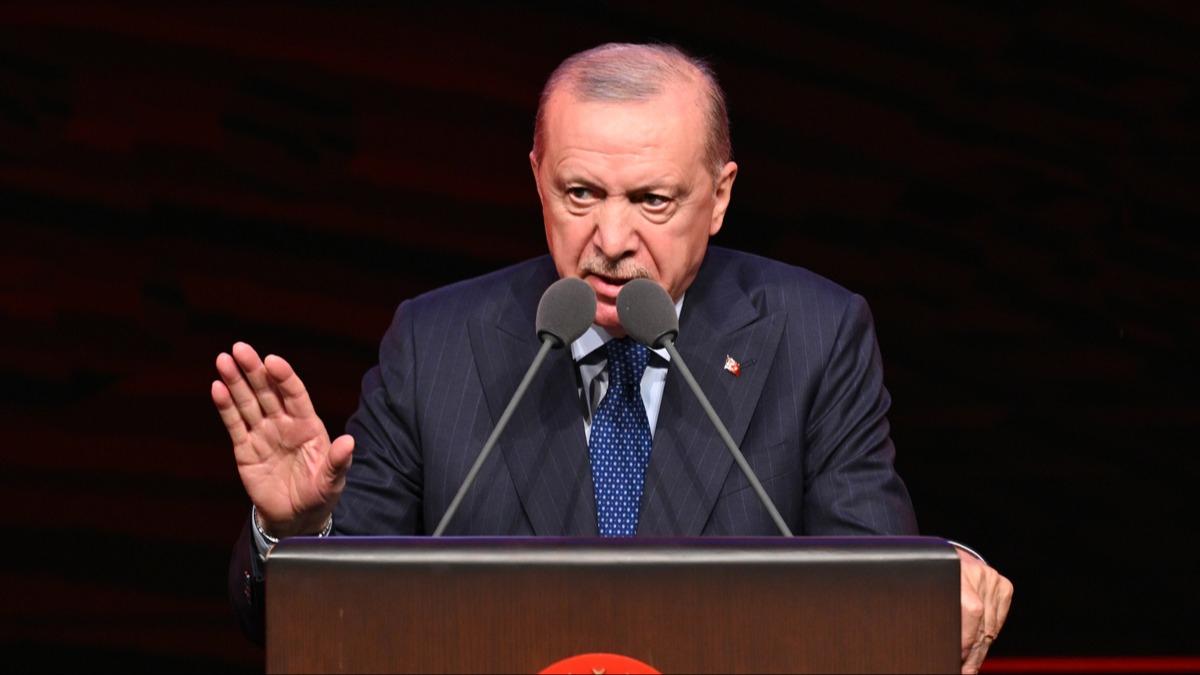
On November 10, 2026, the atmosphere at the Atatürk Cultural, Language and History High Institution was one of solemn remembrance. It was the 88th anniversary of the death of Mustafa Kemal Atatürk, the foundational figure of the modern Turkish Republic. For any nation, the anniversary of its founder's passing is a moment of profound reflection, a time to look back at the seismic shifts that transformed a collapsing empire into a sovereign state.
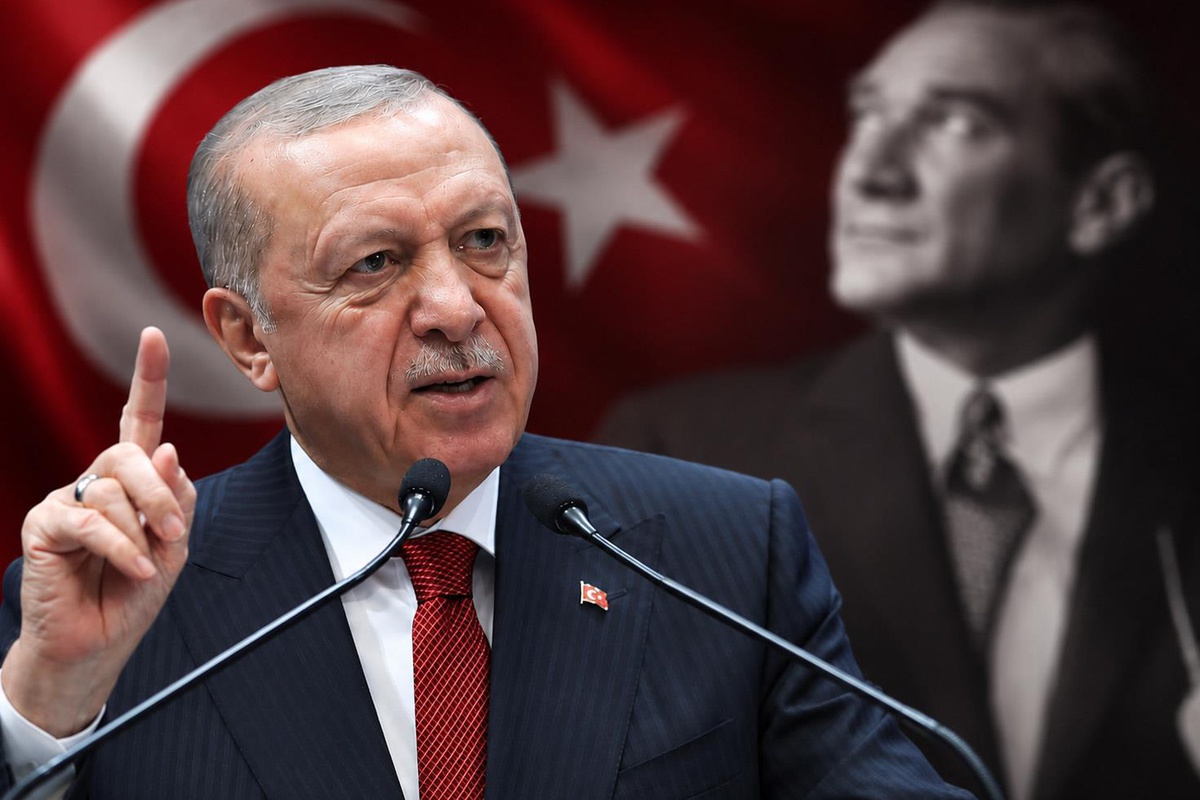
Standing before the gathered assembly, President Recep Tayyip Erdoğan did not merely offer condolences; he offered a sweeping historical interpretation. He spoke of the national struggle period—the era of conflict and mobilization that defined the birth of the nation—as a singular turning point in the global timeline of history. To Erdoğan, the struggle was more than a military victory; it was a spiritual and political awakening. "Atatürk lit the torch of independence," Erdoğan remarked, framing the founder's actions as a monumental feat. "An epic without equivalent in the world has been written."
Yet, as the President honored the past, he also turned his gaze toward the decades that followed Atatürk's death. In a narrative that seeks to bridge the gap between the founding era and the present day, Erdoğan introduced a sharp critique of how the founder's memory has been handled by successive generations of leaders. He suggested that the very legacy of the 'Gazi'—a title of honor meaning veteran or warrior, often applied to Atatürk—had been weaponized by others.
He posited that for decades, a specific class of leaders used the prestige of the republic to look down upon the Turkish nation.
Erdoğan’s rhetoric moved from the celebratory to the accusatory, claiming that certain figures had exploited Atatürk's legacy to the detriment of the citizenry. He argued that those who claimed to be the true heirs of the founder's vision had, in fact, used that authority to distance themselves from the very people they served. It is a claim that strikes at the heart of Turkish political identity: the idea that the state and the people have, at various times, been at odds.
At the center of Erdoğan's address was the concept of a rift—a perceived separation between the 'cumhur,' the common people, and the republic itself. He posited that for decades, a specific class of leaders used the prestige of the republic to look down upon the Turkish nation. This, he argued, created a psychological and social chasm, where the institutions of the state felt alien or even superior to the populace they were meant to represent.
This perceived disconnect is what Erdoğan identifies as the primary wound of the previous era. By framing the history of the republic as a struggle between a detached elite and a marginalized public, he positions his own administration as the force that finally closed that gap. It is a narrative of reclamation, suggesting that the true essence of the republic was lost in the translation between the founder's vision and the governance of the subsequent decades.
To explain how this rift was mended, Erdoğan pointed to the end of 'vesayet'—a term referring to guardianship or tutelage. In the Turkish political context, this concept describes a period where certain institutional powers acted as the self-appointed guardians of the state's secular and republican values, often operating outside the direct will of the electorate.
Erdoğan was explicit in his claim that his administration has brought an end to this era of guardianship. By dismantling these perceived structures of tutelage, he argues, his government has protected the actual achievements of the republic rather than just its symbols. For his supporters, this represents a democratization of the state; for his critics, it represents a fundamental shift in how the republic's foundational principles are interpreted and upheld.
This historical recalibration does not exist in a vacuum. It follows closely on the heels of other major national milestones, including the recent celebration of the 103rd anniversary of the republic's foundation. By weaving the anniversary of Atatürk's death together with the anniversary of the republic's birth, Erdoğan creates a continuous thread of national identity that leads directly to the current administration.
As he concluded his remarks, the President turned his attention to the martyrs of the War of Independence, invoking the words of the poet Namık Kemal to honor those who fell during the nation's most turbulent hours. The speech served as both a tribute to the dead and a political manifesto for the living, asserting that the modern Turkish state is finally in alignment with the people it was built to serve.