For decades, the corridors of power in India have been defined by a persistent, echoing demand: the need for greater political representation for women. It is a struggle that has moved from the fringes of activism into the very heart of the national political discourse. This movement, centered on the concept of 'Nari Shakti'—or women's power—has long sought to transform the landscape of the Lok Sabha and various state assemblies. Now, that struggle has reached a critical juncture as the central government moves to address the long-standing issue through the introduction of a delimitation bill tied to women's reservation.
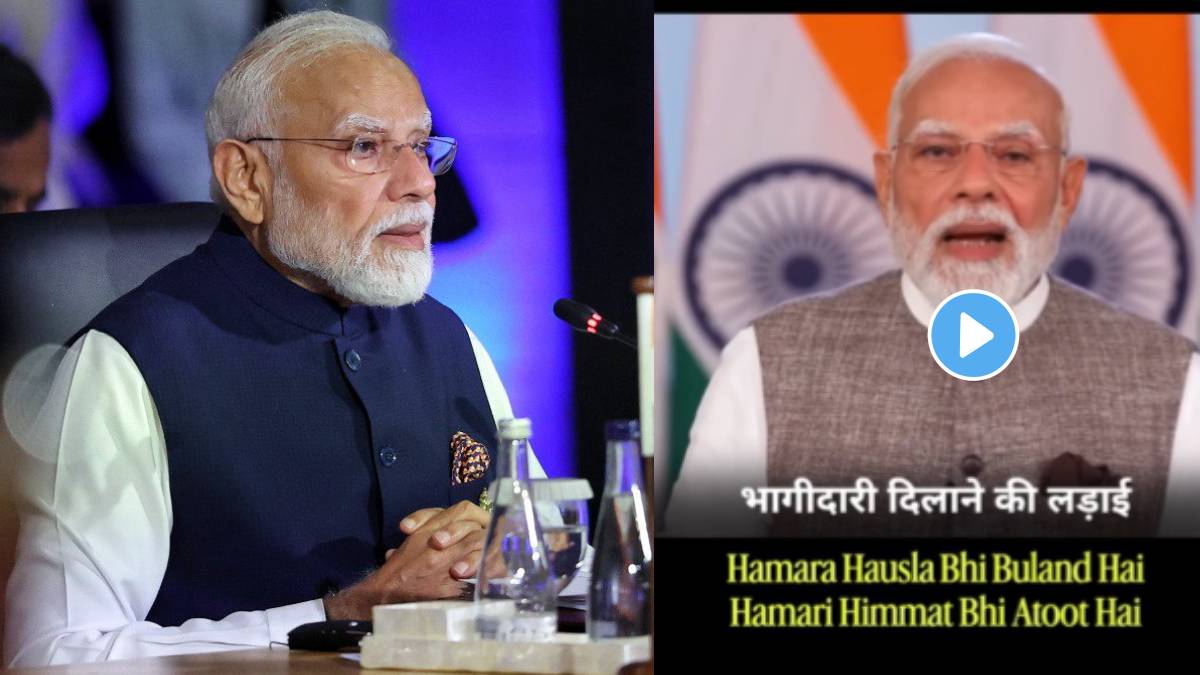
Ahead of a special parliamentary session called by the central government, Prime Minister Narendra Modi took to the digital stage to frame the stakes of the upcoming debate. Sharing a video on X, formerly known as Twitter, the Prime Minister did not merely announce a legislative procedure; he issued a declaration of intent. The video served as a direct communication to the public, emphasizing that the government views this moment not just as a legislative task, but as a moral obligation. The Prime Minister framed the upcoming session as the fulfillment of a long-awaited pact with the women of the nation.
At the center of this political storm is the proposal for a 33 percent reservation for women in parliament. While the goal is clear, the path to achieving it has been fraught with complexity. The government has signaled its intent to navigate the intricacies of the delimitation bill—a process used to redraw electoral boundaries—to ensure that this reservation becomes a reality. Modi was explicit in his rhetoric, asserting that the government is prepared to face whatever challenges arise. He stated that every obstacle on the path of women's reservation will be removed and destroyed, signaling a refusal to let procedural or political hurdles stall the momentum.
However, the move toward reservation has not been met with universal consensus.
However, the move toward reservation has not been met with universal consensus. As the special parliamentary session approaches, the atmosphere in the capital has grown increasingly charged. Political tensions have risen, characterized by a cycle of accusations and counter-accusations regarding which parties truly support the cause of women's empowerment. While the Prime Minister has positioned the government as the sole champion of this cause, opposition parties have emerged as critics, creating a polarized environment where the merits of the bill are being contested alongside the politics of its implementation.
Despite the rising friction, the Prime Minister remains undeterred by the presence of dissent. He has characterized the current political resistance as a temporary delay rather than a permanent barrier, declaring that opposition parties cannot prevent the increased participation of women in the Lok Sabha and state assemblies. For Modi, the momentum of the movement is such that the outcome feels inevitable. He framed the current legislative push as a final hurdle, suggesting that the only remaining issue is a matter of time. With the government claiming 100 percent of the blessings and support of women, the stage is set for a high-stakes confrontation in the halls of Parliament.