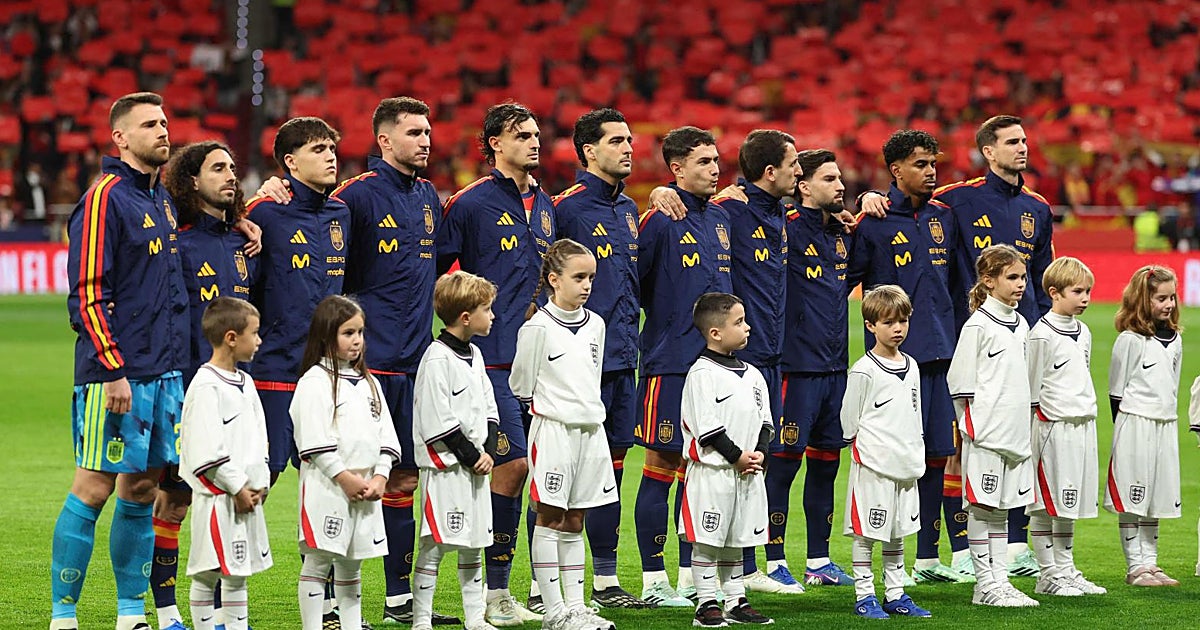
The draw at Nyon in late November 2026 was supposed to be a routine administrative moment, a shuffle of papers that determines future fixtures. Yet, when the balls were pulled for the UEFA Nations League quarter-finals, the outcome sparked immediate recognition. France would face Spain. It is a matchup that has already consumed the last three years of international football, defined by France’s consistent inability to beat the Spanish team they are now chasing. For a football fan, the draw is not just a schedule; it is a narrative turning point.
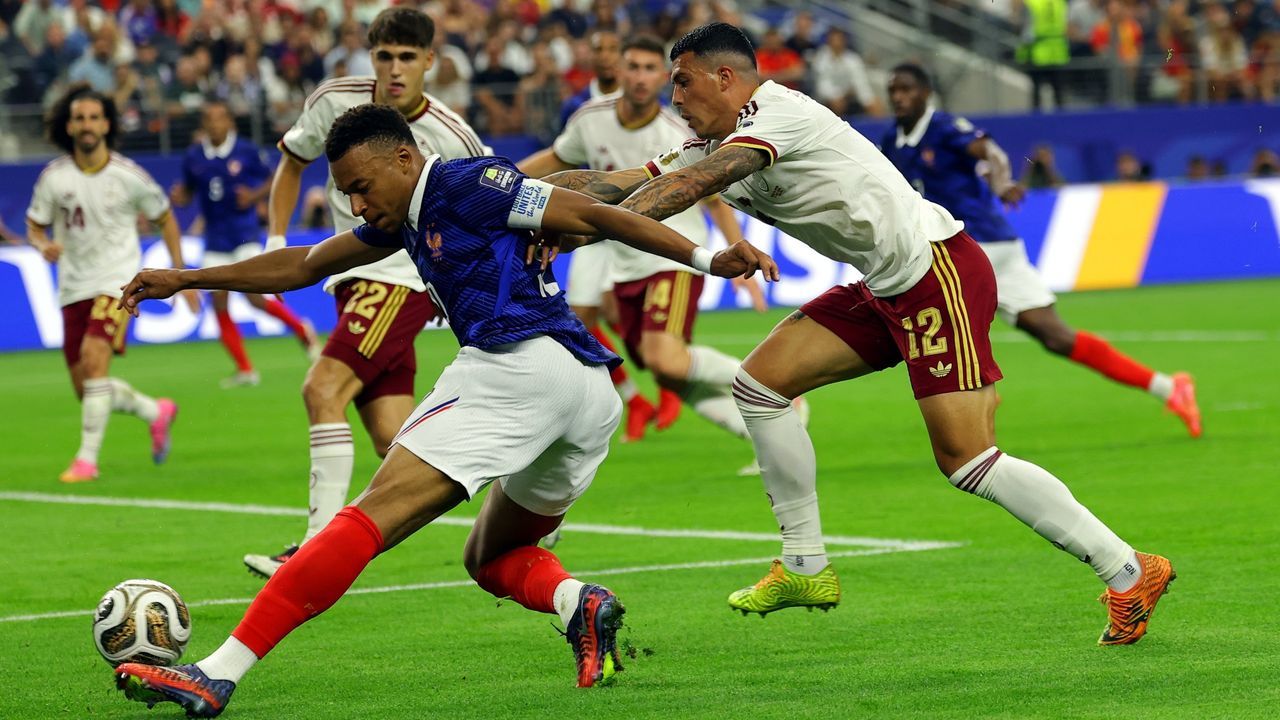
To understand why this pairing carries such heavy weight, one must look back at the previous three meetings. France has lost all three. The list includes the semi-final of the 2024 European Championships, the 2025 Nations League campaign, and the 2026 World Cup. That is three straight defeats against the 'Roja', the team that currently holds the status of the absolute reference point in global football. While France is proud of winning the World Cup and the European Championship, their current dynamic with Spain is one of frustration. They are the team that has the recent silverware, but they are the team that cannot find a way past their neighbor.
The new French manager, Zinedine Zidane, adds a layer of personal complexity to this dynamic. Zidane’s career is inextricably linked to Spanish football. He is not a stranger to the league; his deep connections to the Spanish game mean that every time he faces Spain, he is stepping back into a familiar professional landscape. For a supportive figure within the French camp, Zidane represents stability and experience. He is tasked with breaking a three-game losing streak against a team that has proven resilient. The pressure is not just tactical; it is personal. He must navigate a rivalry where his own history with the game is constantly referenced.
The 'Roja' is on a remarkable streak of 44 matches without a defeat in regulation time.
On the pitch, the most symbolic figure for this matchup is Kylian Mbappé. As the captain of the French national team, Mbappé currently plays for Real Madrid. This dual identity means that when France travels to Spain for the first leg of this two-legged tie, his captain is effectively playing in a hostile environment where his club team resides. Mbappé’s relationship with Spanish football is intimate and complex. He is a hero in Madrid, yet he leads a national side that has struggled to defeat Spain. The sight of Mbappé wearing the blue shirt against a Spanish backdrop highlights the intricate threads that bind the two nations’ top players together. It is no longer just national pride; it is a professional reality where club allegiance and national duty intersect.
While France has the recent trophies, Spain’s statistical dominance is intimidating. The 'Roja' is on a remarkable streak of 44 matches without a defeat in regulation time. This is not just a good run; it is a historic barrier. For France to advance, they must not only outscore Spain but also break a mental fortress that has held firm for nearly two years of competitive international play. The number 44 represents a consistency that has baffled the rest of the world. Spain is not just a strong team; they are an unyielding force. The fact that they have only just suffered a home defeat to England, a 3-2 loss, shows how rarely the wall crumbles. That specific defeat was a rare exception that proved how formidable Spain’s baseline performance truly is.
The stakes for this encounter are high, but they are just the beginning. The winner of this two-legged tie, scheduled for late March 2027 with France hosting the second leg, will advance to a 'Final Four' event in June 2027. There, the victor will face the winner of the match between the Netherlands and Portugal. This structure places the France-Spain contest at the center of the tournament's gravity. It is not a preliminary hurdle; it is the gateway to the ultimate showdown. For France, reaching that final four is a chance to validate their recent success on the world stage. For Spain, it is a chance to extend their reign as the global standard-bearers.
The format of the tie adds a layer of psychological endurance. It is not a single knockout match; it is two legs. France hosting the second leg gives them a potential advantage on home soil in March 2027, but Spain will set the initial tone. The tension of knowing that the outcome can be reversed means that every moment of the first leg carries the weight of a potential second chance. It is a chess match played over two evenings. For the newcomers watching this event unfold, the appeal lies in the contrast: France’s youthful, explosive attack under a veteran manager, pitted against Spain’s relentless, statistically dominant defense. It is a story of how much one nation has changed while the other remains the benchmark they all must beat.
