
The 69th minute of a Süper Lig match between Fenerbahçe and Kocaelispor began like many moments in high-stakes football: with tension, speed, and a ball hurtling toward the penalty box. Kocaelispor players were defending with their backs to the attacking pressure when the ball reached Fenerbahçe defender Nelson Semedo. According to the on-pitch assessment, Semedo’s arm was in the way of the ball. But the referee, Kadir Sağlam, did not stop play. No whistle. No raised arm. The game moved on as if nothing had happened.
From the Kocaelispor side, that was not nothing. The players reacted immediately, their protests echoing across the Kocaeli stadium. They pointed at Semedo, at his arm, at the exact spot where the ball had met skin. Their argument was clear: it was a handball. It had to be a handball. And it had to be a penalty.
What happened next is not new in modern football, but it still carries the weight of consequence. A few moments after the play continued, a message reached Kadir Sağlam from the video assistant referee system. VAR had flagged the incident. The referee was told to review it. The screen was pulled up on the pitchside monitor. The referee approached it. The crowd quieted. The players stopped celebrating or complaining for a brief moment. Everyone watched the replay.
Fenerbahçe players expressed their frustration, some appealing the decision to the fourth official.
This is where the architecture of modern refereeing shows its true purpose. It is not just a correction system. It is a second chance. A chance to see what the naked eye might have missed from fifty meters away. A chance to slow down time, zoom in on an arm, and ask one question: did the ball hit the hand? The answer, in this case, changed the entire trajectory of the match.
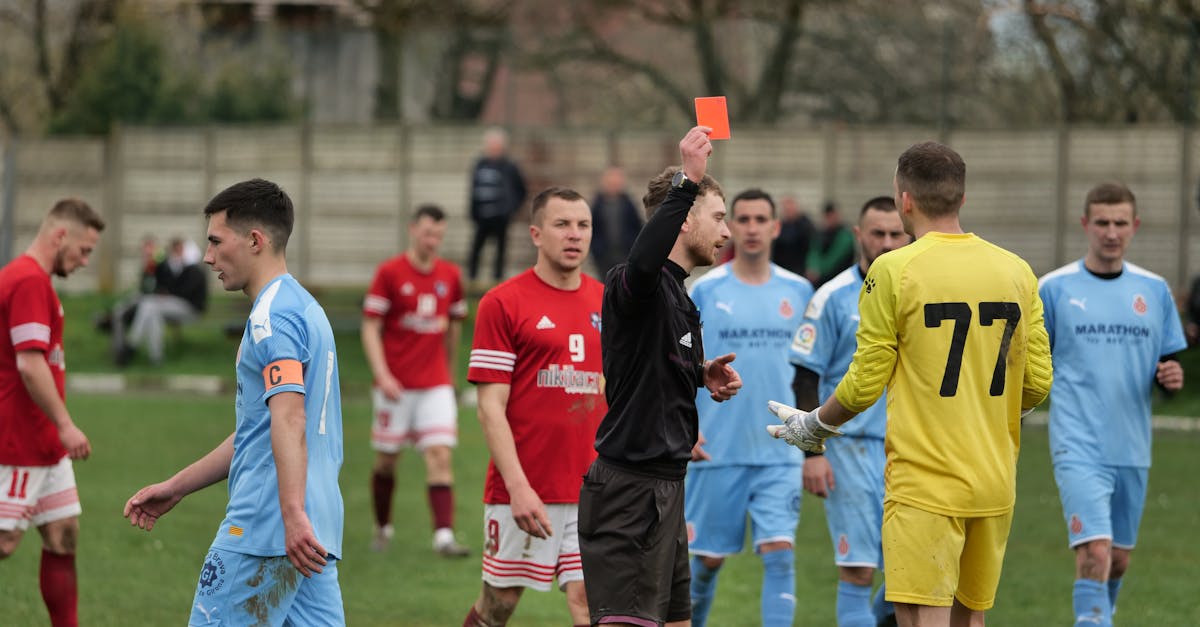
After the review, Kadir Sağlam made his decision. He awarded a penalty to Kocaelispor. The ruling stood. Fenerbahçe players expressed their frustration, some appealing the decision to the fourth official. But the referee’s authority was final. The ball was placed on the spot. The tension in the stadium shifted from protest to anticipation. One kick would now determine whether Kocaelispor kept fighting for a draw or accepted a loss.
The penalty was not just a procedural correction. It was a lifeline. In a match where every point mattered, it erased the near-certain outcome of a Fenerbahçe victory. It handed Kocaelispor one last, decisive chance to stay in the game.
Kocaelispor’s Berkan Kutlu stepped forward to take the penalty. The crowd noise became a single, sustained roar. Kutlu lined up his approach. The Fenerbahçe goalkeeper readied himself. The stadium held its breath. Kutlu struck the ball. It went into the net. The net rippled. The score changed. Fenerbahçe’s lead evaporated. The match was now 1-1.
This moment was not just about the goal. It was about the confidence it restored. It was about a team that had been on the back foot, protesting a decision, and now had the ball in its favor. It was about Berkan Kutlu, whose name would be etched into the memory of that evening as the one who converted the penalty that saved Kocaelispor’s season, at least for that night.
The VAR intervention in the 69th minute was not a small footnote. It was the pivot point of the entire match. Without the review, Kocaelispor would have lost. The handball would have gone unnoticed, or at least unaddressed. The penalty would not have been awarded. Berkan Kutlu would not have had the chance. The final score would have been different. The narrative of the night would have been different. The review turned a potential defeat into a draw. It turned a moment of injustice into a moment of justice, at least in the eyes of the Kocaelispor camp.
For Fenerbahçe, the moment was a bitter reminder. It is not just about losing a goal. It is about losing a decision. The VAR system, for all its critics, does not lie. It shows what happened. And in this case, what happened was a handball. The penalty was the correct outcome. The only question that remains is whether the system is good enough to catch every mistake, or whether it will always leave some to chance.
The match ended 1-1. Both teams shared points. Fenerbahçe did not win, but they did not lose. Kocaelispor did not lose, but they did not win. The penalty, the review, the goal, the draw. They all belonged to the 69th minute. They belonged to Kadir Sağlam’s decision, to Berkan Kutlu’s foot, to the screen that changed everything. The night will be remembered not for the tactics or the goals, but for that single moment when technology met the pitch, and the outcome shifted from certain to contested, from lost to saved.