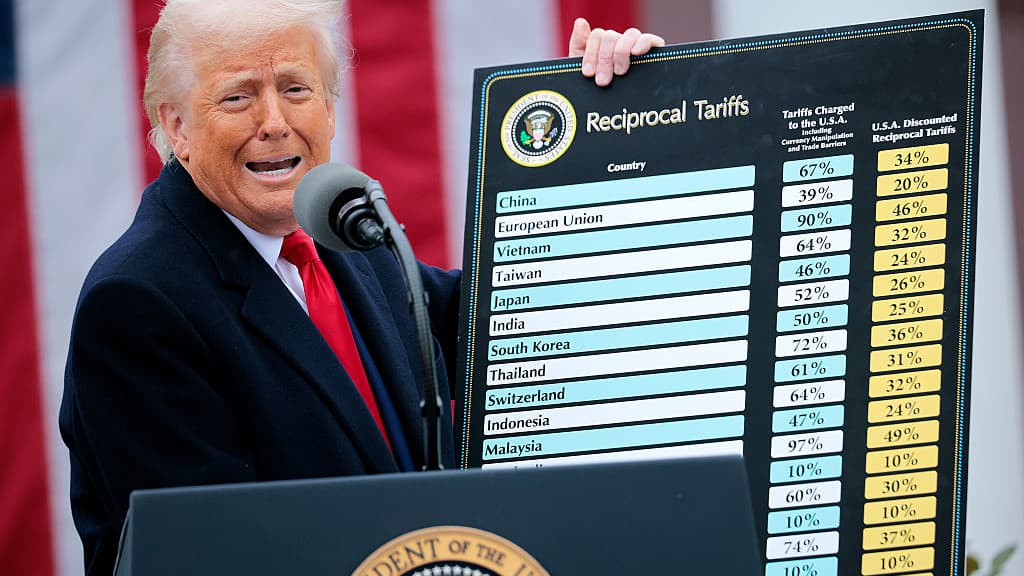
In the complex machinery of global trade, stability is often the most valuable currency. When one major player shifts its stance, the ripples are felt far beyond its own borders. On November 25, 2026, a significant tremor moved through the transatlantic relationship as the United States unveiled a proposal for new tariffs targeting 14 different economies, including both the European Union and China. This move, born from a recent investigation into what the U.S. describes as alleged excess production, has immediately set the stage for a high-stakes diplomatic confrontation.

The reaction from the European Union was swift and pointed. Rather than engaging in a slow negotiation, Brussels moved to immediately challenge the very foundation of the American proposal. The EU has stated that it "strongly rejects the premise of new tariffs on its exports," signaling a fundamental disagreement with the logic driving the U.S. investigation. For the EU, the issue is not merely about the specific percentages of a tax, but about the justification for imposing them in the first place.
At the heart of this tension lies a sense of broken continuity. The European Union is not looking at this proposal in a vacuum; instead, it is viewing it through the lens of a deal that was struck between Brussels and Washington last year. The EU expects the United States to adhere to the terms of that previous agreement, suggesting that the new tariffs may represent a departure from established diplomatic commitments. This expectation places the United States in a position where it must reconcile its new findings regarding production levels with the promises made to its European partners in the recent past.
While the specifics of the production in question remain the subject of the investigation, the scale of the response is broad.
The catalyst for this sudden shift in trade policy was a probe conducted by the United States into alleged excess production. While the specifics of the production in question remain the subject of the investigation, the scale of the response is broad. By including 14 different economies in its proposed tariff list, Washington is signaling a wide-reaching effort to address what it perceives as imbalances in the global market. This approach moves the conversation beyond bilateral disputes, turning it into a systemic challenge to how various nations manage their industrial output.
As it stands, the relationship between the United States and the European Union has entered a period of significant friction. The U.S. has laid out its proposed measures, while the EU has drawn a firm line in the sand, questioning the legitimacy of the premise. With the expectation of adherence to last year's deal hanging in the balance, the coming months will likely determine whether these two economic giants can find a way to harmonize their competing views on production and trade, or if the proposed tariffs will trigger a more prolonged era of economic confrontation.