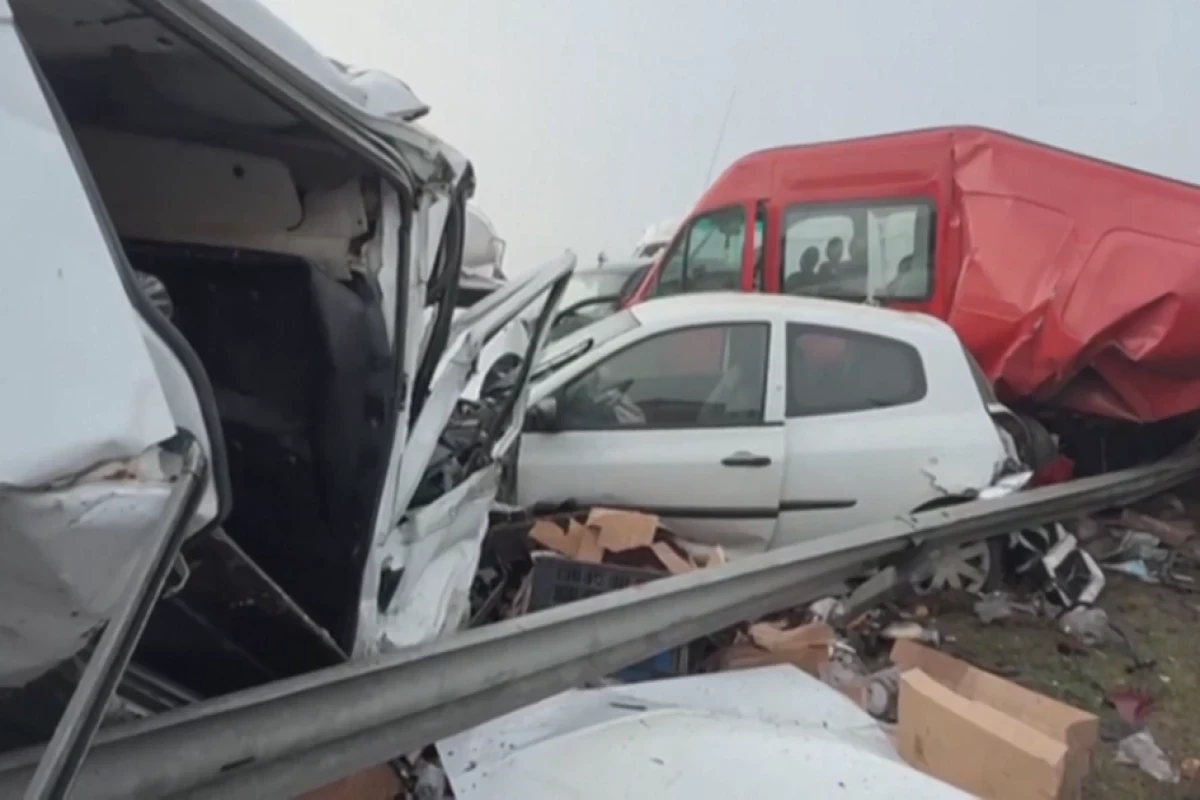
Recently, the A1 highway in eastern Bulgaria became the scene of a catastrophic chain-reaction accident. The highway, a critical artery connecting the capital Sofia to the Black Sea port city of Burgas, was enveloped in intense fog that morning. What began as a routine drive for many quickly transformed into a nightmare when visibility dropped to dangerous levels, setting the stage for a devastating pile-up that would claim numerous lives and leave dozens injured.
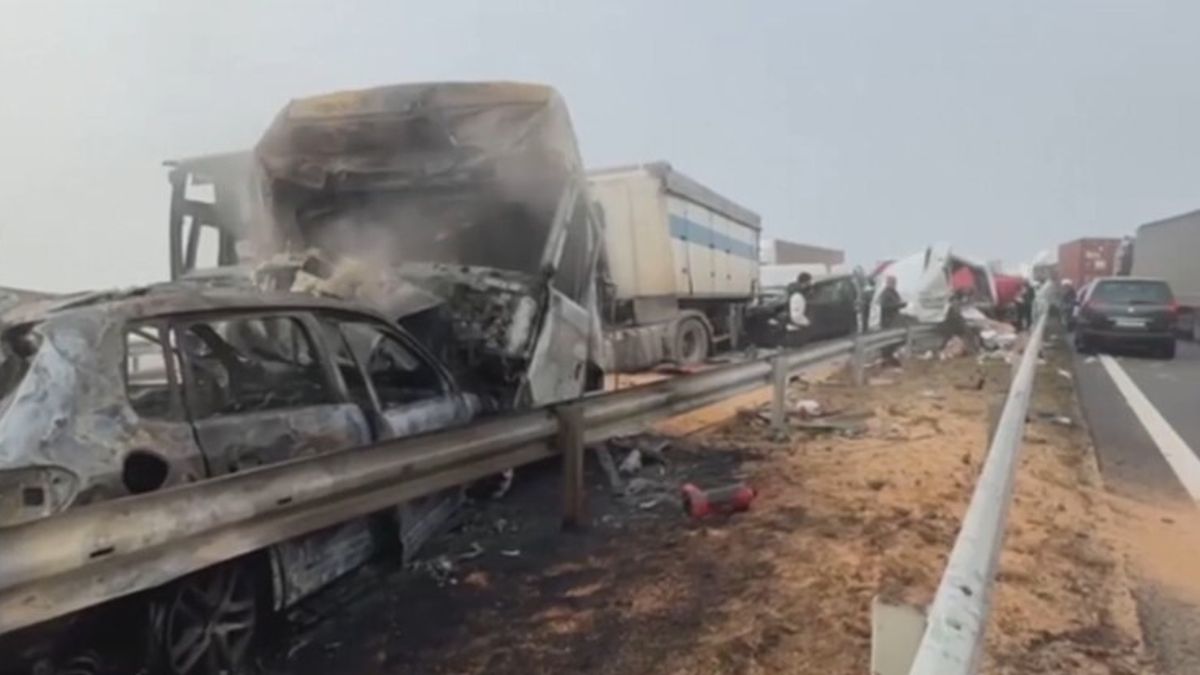
The tragedy appears to have originated with a collision between a bus and a truck traveling toward Burgas. According to Lyubomir Nikolov, Secretary General of the Ministry of Interior, this initial crash likely triggered the chain reaction. "The probable cause was the fog," Nikolov stated, emphasizing how the reduced visibility created conditions ripe for disaster. As vehicles approached the scene without adequate warning, more and more cars became entangled in the growing chaos.

🚨 TRAGEDY IN BULGARIA: DEADLY MOTORWAY PILE-UP! 🇧🇬 At least 12 people have been killed and dozens injured in a devastating motorway pile-up on Bulgaria’s A1 Trakia highway near Yambol. 🚗 More than 50 vehicles were involved in the massive crash on November 10. 🌫️ Extremely dense fog reportedly reduced visibility to just 10 metres in some areas. Devastating footage shows wrecked cars, crushed trucks and widespread destruction. 🕯️ Our thoughts are with the victims and their families. 🎥 Watch the footage and read more: https://t.co/NyZwj6SxgZ #Bulgaria #BreakingNews #MotorwayCrash #TrakiaMotorway
The accident spanned all six lanes of the highway, with vehicles piling up in both directions. Emergency responders faced a complex challenge as they navigated the wreckage, with some victims trapped inside crushed and overturned vehicles. The scale of the disaster was immediately apparent to authorities, who recognized the need for specialized equipment and additional personnel to manage the scene.
Families waited anxiously for news of loved ones who had been traveling the highway that morning.
Bulgarian authorities responded swiftly to the unfolding tragedy. Prime Minister Rumen Radev described the event as a "tragedy" and confirmed that air ambulances were dispatched to evacuate the most critically injured victims. Police and fire departments rushed to the scene, working tirelessly to free those trapped in the wreckage. The operation required careful coordination to prevent further incidents as emergency vehicles navigated the treacherous conditions.
As rescue operations continued, the full extent of the disaster became clearer. Initial reports indicated 11 fatalities and 50 injuries in the pile-up on the A1 highway. Health Minister Katya Ivkova later announced that the death toll had risen to 12, with 46 people injured in two separate accidents on the Trakia motorway. These figures represented the combined total of two massive chain-reaction accidents that had occurred on opposite lanes, one heading toward Burgas and the other toward Sofia.
Sliven regional governor Mihail Kasherov provided further insight into the magnitude of the accident, stating that over 70 vehicles were involved in the pile-ups. Some vehicles had overturned completely, while others were crushed under the weight of larger trucks and buses. The scene was one of utter devastation, with emergency workers forced to carefully sift through the wreckage to locate and extract survivors.
Behind the statistics were human stories of loss and survival. Families waited anxiously for news of loved ones who had been traveling the highway that morning. The injuries ranged from minor to life-threatening, with the most critical cases being airlifted to specialized medical facilities. The psychological toll on first responders and survivors alike was immense, as they grappled with the trauma of witnessing such widespread destruction.

Even as rescue operations continued, authorities began the process of investigating the causes of the accident. Todor Mişinev, a spokesperson for the emergency response team, outlined the immediate priorities: "Our priority now is the rescue operations. Once these are completed, judicial and investigative procedures will be carried out." The investigation would focus on determining whether any factors beyond the fog—such as vehicle maintenance or driver behavior—had contributed to the severity of the crash.
The accident raised questions about safety measures on Bulgaria's highways, particularly during adverse weather conditions. Critics questioned whether sufficient warning systems were in place to alert drivers to dangerous fog conditions. Others wondered whether speed limits should be automatically reduced when visibility drops below certain thresholds. These questions would likely be examined as part of the ongoing investigation.
In the aftermath of the tragedy, Bulgaria observed a period of mourning for the victims. Flags flew at half-mast, and memorial services were held for those who had lost their lives. The accident served as a stark reminder of the fragility of life and the importance of road safety, particularly when driving in challenging weather conditions.
As Bulgaria grappled with the aftermath of the accident, authorities began considering measures to prevent similar tragedies in the future. These might include improved fog detection systems along major highways, enhanced driver education about weather-related hazards, and stricter enforcement of speed limits during adverse conditions. The memory of those lost on the A1 highway that day would serve as a catalyst for change in the nation's approach to road safety.