Three years have passed since the Hamas massacre on October 7, 2023, an event that fundamentally altered the trajectory of the Middle East and the internal stability of Israel. It is a landscape of profound friction, where the scars of conflict are visible not just in the geography of the region, but in the very fabric of the Israeli polity.

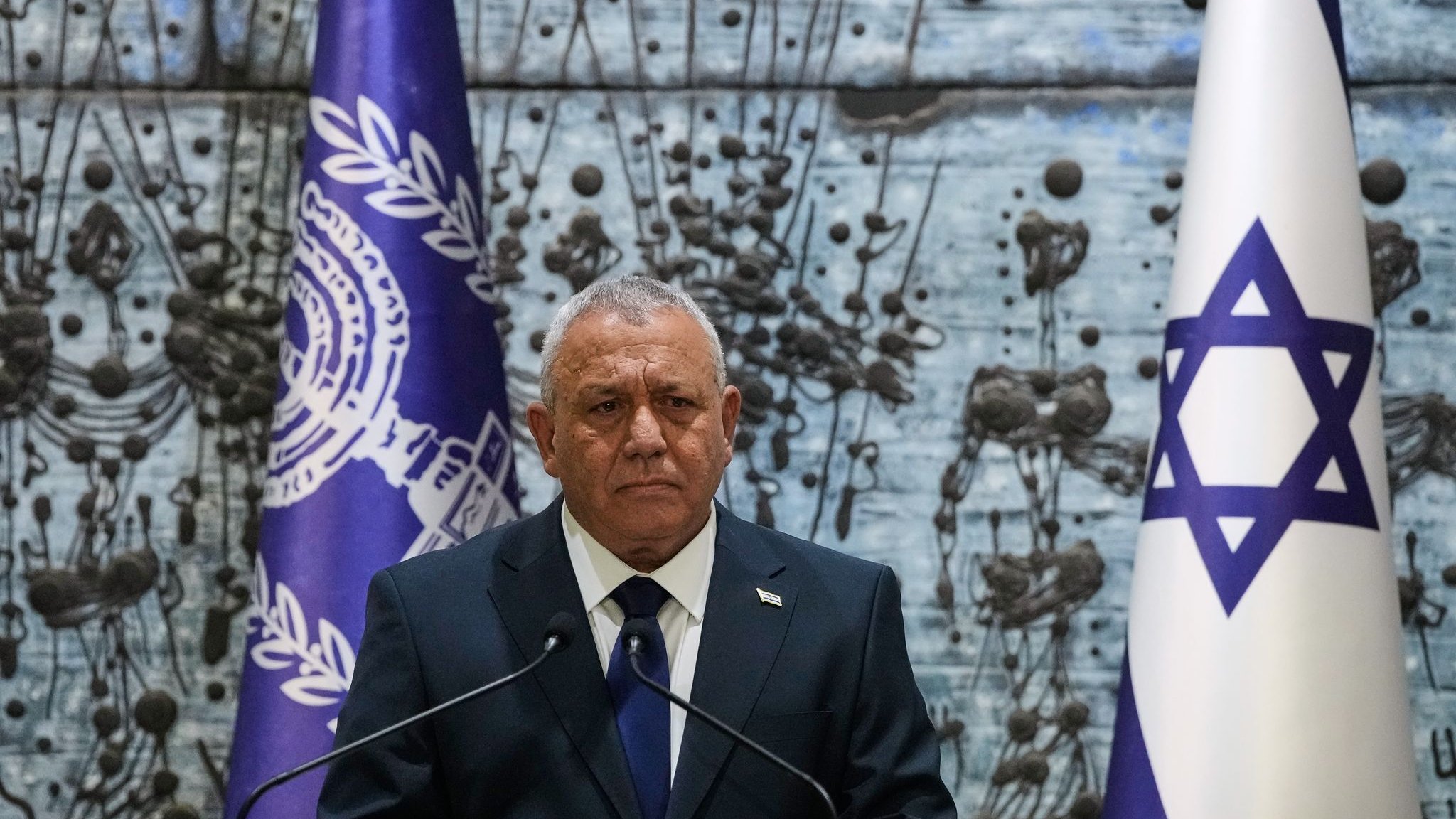
On November 8, 2026, President Izchak Herzog made a move that signaled a seismic shift in this political struggle. He tasked Gadi Eisenkot, the 66-year-old former General Staff Chief and current chair of the centrist Yaashar party, with the monumental responsibility of forming a new government. The mandate is clear, yet the path is fraught with peril: Eisenkot must attempt to lead the country out of what he describes as a deep, existential crisis.
Eisenkot’s ascent to this position was not a matter of electoral dominance in the traditional sense. His party, Yaashar, trails the Likud in recent elections. However, the mechanics of Israeli parliamentary democracy often favor the weight of consensus over the raw numbers of a single party's plurality. During the presidential consultations—the process by which the President determines who is best positioned to command a majority—Eisenkot emerged as the clear frontrunner.
It is a recognition that the man tasked with stitching the country back together is himself a product of its most painful chapters.
Parties representing 67 of the 120 seats in the Knesset recommended him. This coalition of support suggests that, for many in the legislature, the former General Staff Chief represents a stabilizing force capable of bridging the gaps that have widened since the massacre. Yet, the numbers alone do not guarantee a government; they merely grant him the opportunity to attempt one.
Eisenkot did not approach this task with the measured optimism of a typical politician. Instead, he met the news with a sense of profound urgency. "We are in a state of emergency and are approaching a point of no return for the State of Israel," he declared. His assessment is a grim one, framing the current moment not as a mere political transition, but as a fight for the country's survival.
To meet this moment, Eisenkot has called for a "creative and unconventional" emergency government. The implication is that the old ways of coalition building—the transactional politics of the past—may no longer suffice to address the scale of the current instability. He is looking for something more than a mere majority; he is looking for a unified front.
As the political machinery begins to turn, the personal dimensions of this leadership struggle cannot be ignored. President Herzog, in acknowledging the gravity of the task, pointed to the physical and emotional toll Eisenkot has endured. "Your face bears the scars of gunshot wounds from decades of service and combat," Herzog noted, a recognition of the man's long history of military leadership.
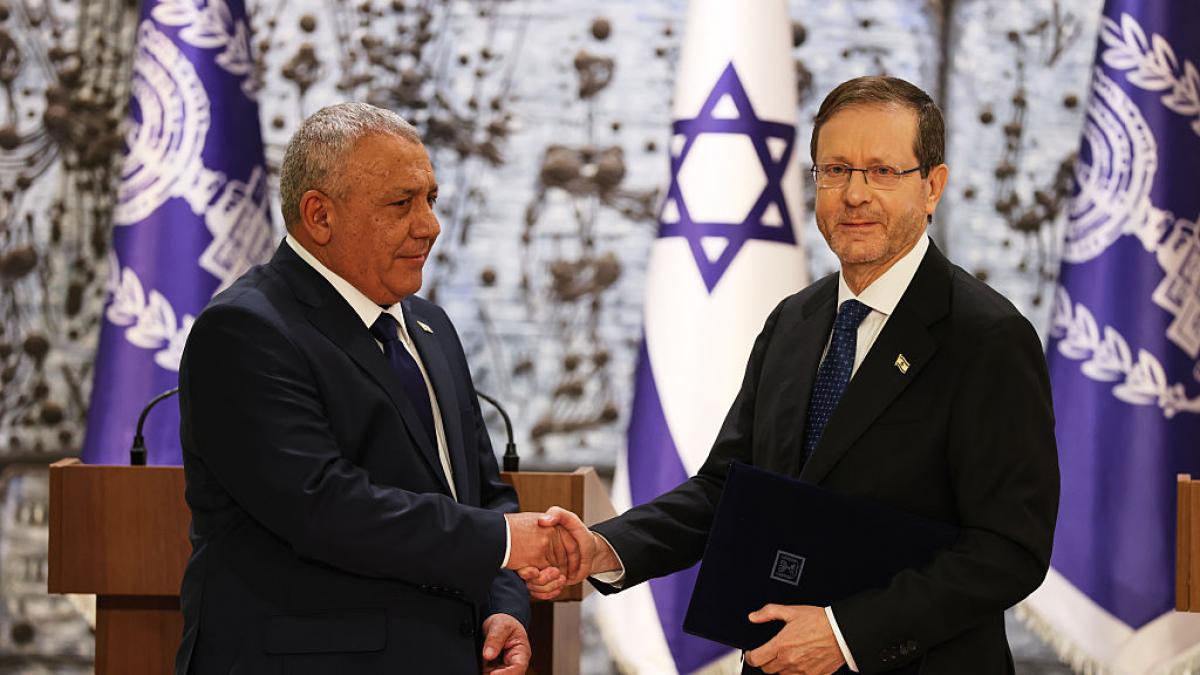
This sacrifice extends beyond the physical. Herzog also acknowledged the personal losses Eisenkot has sustained, including the loss of his son and nephews in war. It is a recognition that the man tasked with stitching the country back together is himself a product of its most painful chapters. In the eyes of the President, Eisenkot is not just a political figure, but a leader whose very identity is intertwined with the nation's struggle.
Beyond the internal fractures, the external pressures facing a potential Eisenkot government are immense. President Herzog highlighted the significant challenges posed by the threat from Iran, a shadow that looms over the region's security architecture. The task of forming a government is not merely about domestic policy; it is about navigating a high-stakes geopolitical environment where the margin for error is razor-thin.
Herzog also emphasized the critical need for diplomatic perspectives in the region. For a country facing increasing international isolation, the ability to re-engage with the world through sophisticated diplomacy is as vital as military readiness. Eisenkot’s mission, therefore, is twofold: he must stabilize the home front while simultaneously finding a way to restore Israel's standing on the global stage.
Time is the most unforgiving factor in this equation. Eisenkot has been given a strict window of 28 days to form a coalition. This is not a period for slow deliberation or protracted negotiations; it is a sprint through a minefield of internal and inter-party conflicts. While 67 seats have signaled their support, the obstacles to actually binding those parties into a functional, governing body remain significant.
Every day that passes without a breakthrough increases the pressure. The political landscape is littered with the remnants of failed negotiations and deep-seated ideological divides. For Eisenkot, the challenge is to transform a recommendation into a reality before the clock runs out.
If the 28-day window closes without a successful coalition, the political pendulum may swing back toward the status quo. Should Eisenkot fail, Prime Minister Benjamin Netanyahu—currently 77 years old—may re-enter the race to attempt to form a government himself.
The stakes of this potential failure are absolute. The country stands at a crossroads between a new direction under a centrist leader and a return to the leadership that has presided over much of this period of division. As Eisenkot navigates these weeks, he carries the weight of a nation that is watching to see if a "creative and unconventional" approach can truly avert the point of no return.