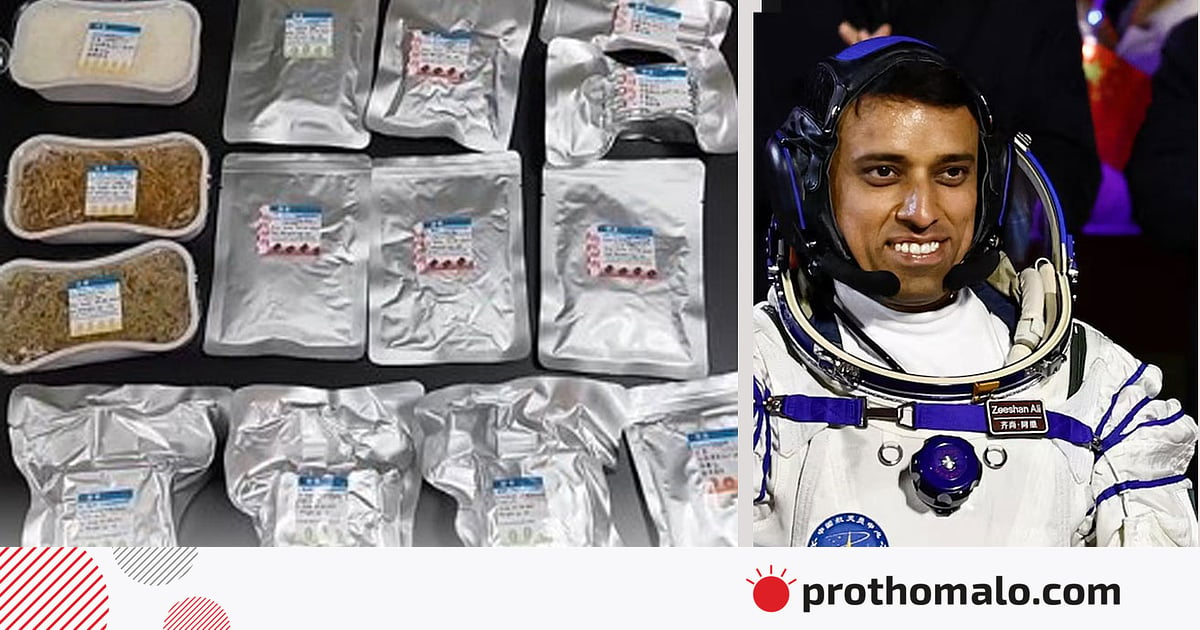
In the vast expanse of space, where every detail is meticulously planned, one of the most personal considerations for an astronaut is food. For Muhammad Jishan Ali, who arrived at China's Tiangong space station on November 26, 2026, as part of the Shenzhou-24 mission, this consideration took on special significance. Ali wasn't just making history as the first foreign astronaut to enter China's space station; he was embarking on a journey that would require accommodations for his cultural and dietary preferences.
The challenge of feeding an astronaut in space is complex enough without adding cultural and religious dietary requirements. Yet China's Astronaut Research and Training Center rose to the occasion, developing a specialized menu of seven Pakistani-style dishes for Ali. This wasn't simply about providing sustenance; it was about ensuring a connection to home during an extraordinary experience far from Earth.
The menu featured dishes familiar to Ali's palate: beef nihari, a slow-cooked meat stew; mutton korma, a rich and aromatic curry; butter chicken, a creamy tomato-based curry; and spiced chana masala, a chickpea dish. Each item was prepared according to halal dietary laws, reflecting both Ali's cultural background and religious requirements.
Chinese black tea and rice became favorites, and these items were also incorporated into his personalized menu.
The preparation of this space menu was a fascinating intersection of culinary tradition and space science. Each dish underwent rigorous testing to ensure it would maintain its taste and nutritional value in the microgravity environment of space. The food scientists worked meticulously to develop packaging that would preserve the flavors and textures while meeting the strict safety requirements for spaceflight.
During his training in China, Ali developed preferences for certain Chinese foods as well. Chinese black tea and rice became favorites, and these items were also incorporated into his personalized menu. This adaptation demonstrates how space programs must balance an astronaut's established preferences with new experiences during extended missions.
The arrival of Ali aboard Tiangong wasn't just a milestone for international space cooperation; it became an opportunity for cultural exchange even in the isolated environment of space. A special dinner was organized for the six astronauts currently aboard the station, combining Chinese and Pakistani cuisines. This meal represented more than just nutrition—it was a celebration of international partnership and shared human experience.
In the extreme environment of space, where every sensation is amplified, small comforts from home can make a significant difference. The effort to provide familiar foods for Ali represents a deeper understanding of the psychological aspects of long-duration spaceflight. Maintaining connections to one's cultural roots can provide psychological stability during what is otherwise an alienating experience.
As Ali settled into his new home aboard Tiangong, the specialized menu served as a reminder of the lengths to which international partners can go to support one another in space endeavors. This attention to detail in accommodating dietary preferences sets a precedent for future international space missions, where crew members from different cultural backgrounds will need to live and work together in harmony.
The story of Ali's space menu is more than just a culinary curiosity; it's a testament to how space programs are evolving to address the human element of space exploration. As we look toward a future with more international cooperation in space, the simple act of sharing a meal may prove to be one of the most important tools for building understanding between astronauts from different nations.