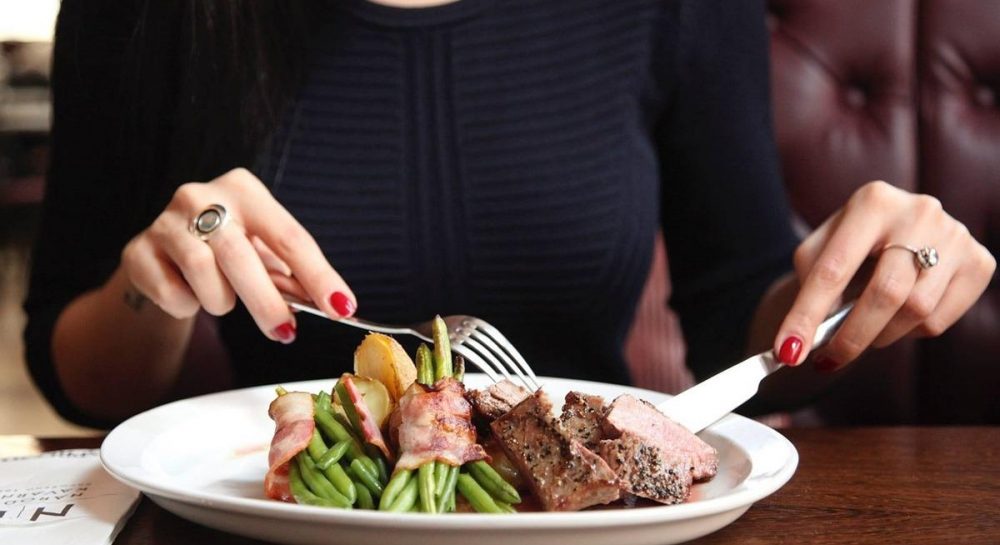
In the complex biological theater of the human body, the arrival of food is not merely a matter of calories and nutrients; it is a matter of timing. For those managing blood sugar, the sudden surge of glucose following a meal can be a volatile event. However, new research suggests that the way we approach a plate—the specific sequence in which we consume different components—might play a more significant role in metabolic stability than previously understood.

Recent findings published in the journal Diabetes have shed light on this phenomenon, suggesting that the order of food consumption can fundamentally alter how the body handles sugar. The study focused on the physiological mechanics of how the gut responds to different inputs, uncovering a potential mechanism that could one day offer a practical way to moderate blood sugar levels through simple dietary adjustments.
To understand this potential shift in dietary strategy, researchers turned to animal models to observe the immediate chemical reactions to nutrient intake. The study utilized mice, including those with type 2 diabetes and severe insulin deficiency, to simulate the metabolic challenges faced by many humans.
This effect is not merely a matter of physical slowing; it is a sophisticated biological coordination.
The core of the experiment involved a simple but revealing variable: the timing of fat versus sugar. Researchers observed that mice which received olive oil 15 minutes before glucose experienced a significantly smaller early rise in blood sugar compared to mice that were given glucose first or glucose alone. By introducing the fat—in this case, olive oil—as a precursor, the researchers created a biological buffer that appeared to temper the subsequent glucose spike.
This effect is not merely a matter of physical slowing; it is a sophisticated biological coordination. The researchers discovered that the introduction of fat first triggered an early increase in two specific hormones: glucagon and GLP-1. These two hormones appear to work in tandem, creating a coordinated response that helps to limit the rapid rise of glucose in the bloodstream.
This interaction suggests that the body is capable of anticipating the arrival of sugar if it receives a signal from fat first. This signal initiates a cascade of events that prepares the metabolic system for the incoming load. As Dr. Daisuke Yamabe explains, "Our results suggest that the order in which nutrients enter the intestine can trigger a coordinated hormonal and nervous response, which changes the speed at which the stomach delivers glucose to the intestine."
While the implications of these findings are compelling, the transition from laboratory observations to human dietary advice remains a significant hurdle. The study demonstrates a clear mechanism in mice, showing how the sequence of nutrients can influence the rate at which the stomach empties its contents into the intestines, but the leap to human biology is not a direct one.
Because the biological systems of mice and humans, while similar, are not identical, experts urge caution before applying these specific sequencing protocols to human meal planning. Humaa Chaudry notes the necessity of this distinction, stating, "Since the study was conducted on mice, it cannot be assumed that the same results will be obtained in humans."
For now, the research stands as a foundational piece of evidence in the growing field of nutritional sequencing. It moves the conversation beyond what we eat to include the critical question of when we eat each part of a meal, providing a new lens through which to view the management of metabolic health.