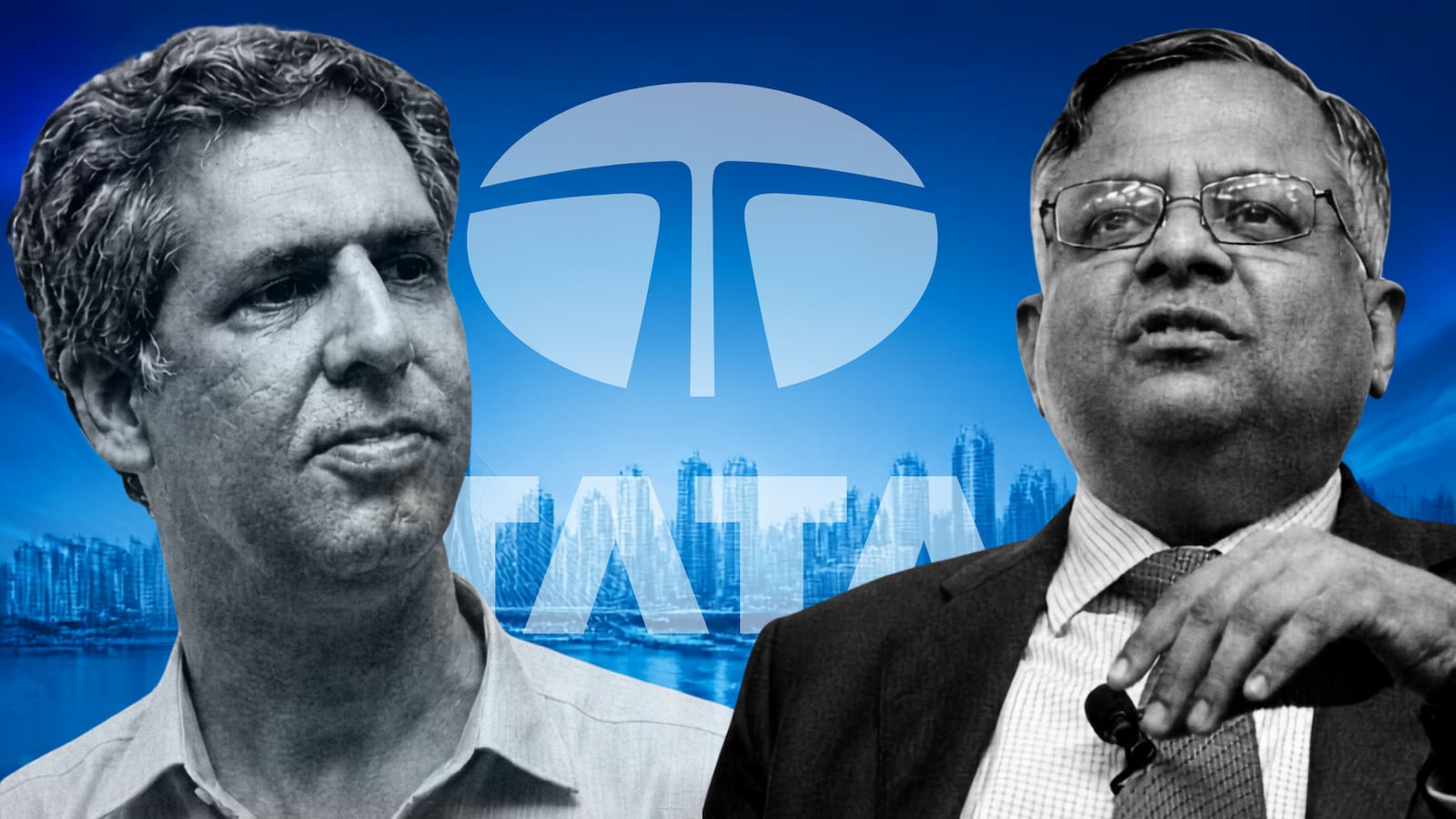
In the sprawling, glass-and-steel headquarters of Tata Sons, the air often carries the scent of history. For generations, the Tata name has been synonymous with India’s industrial rise, a legacy built on steel, tea, and software. But as the calendar turned to November 2023, the weight of that legacy felt heavy, and the air in the boardroom grew tense. The company was preparing for a board meeting scheduled for November 30, a gathering that would decide the future of its leadership. At the center of the storm was N Chandrasekaran, the executive chairman whose reappointment for a third five-year term was to be considered. The decision was not merely a corporate formality; it was a referendum on the delicate balance between professional management and the family trusts that hold the ultimate keys to the kingdom.
The challenge to Chandrasekaran’s tenure did not come from a rival tycoon or a hostile takeover. It came from within. Two of the most powerful entities in the Tata ecosystem—the Sir Dorabji Tata Trust and the RD Tata Trust—had filed a petition to halt the board meeting, arguing that the September 17 decision to reappoint Chandrasekaran was legally void. Their argument was precise and stinging: the reappointment did not receive the affirmative votes of a majority of the directors nominated by the trusts. In the language of corporate governance, this was a claim of a procedural coup. They were not just questioning a decision; they were questioning the legitimacy of the process that produced it.
The trusts, which hold significant stakes in Tata Sons, are the custodians of the group’s philanthropic mission. Their criticism of the reappointment was rooted in a deep-seated belief that their voice had been muted. They pointed to the vote count, noting that Noel Tata, a Trust nominee director, had voted against the proposal. This single dissenting vote, they argued, was enough to tip the scales. The trusts were not merely objecting to a man; they were objecting to a system that they felt had stripped them of their agency. They were seeking ₹65 crore in damages plus 18% annual interest, a legal demand that underscored the severity of their grievance.
But the court, in a move that signaled a commitment to continuity, refused to halt the proceedings.
As the November 30 deadline approached, the Bombay High Court became the stage for this corporate drama. The atmosphere in the courtroom was charged, with lawyers for the trusts arguing that the board meeting should be postponed until the legal dispute was settled. But the court, in a move that signaled a commitment to continuity, refused to halt the proceedings. Justice Abhay Ahuja, presiding over the case, delivered a ruling that was both pragmatic and cautious. "I am not granting any relief," he said. "Let the meeting go on on November 30. The meeting is subject to the outcome of the petition." This ruling allowed the board to proceed with its business, but it also set a clear timeline for the resolution of the dispute. The court noted that the petition would be heard on January 21, 2027, leaving the trusts to wait and see if their challenge would bear fruit.
With the court’s permission, the board meeting proceeded on November 30. The reappointment of Chandrasekaran was considered, and the decision was made. But the legal battle was far from over. The trusts, undeterred by the court’s interim order, pressed on with their claims. They argued that the September 17 decision was legally void, a position that would be tested in the coming months. The board’s decision to proceed, while technically compliant with the court’s instructions, did little to quell the tensions that had been building. The reappointment was a victory for Chandrasekaran and his supporters, but it was a pyrrhic one, as the legal challenges continued to loom.
The case now moves to a hearing scheduled for January 21, 2027. This date, nearly three years in the future, feels like an eternity in the fast-paced world of Indian business. The trusts are determined to see their case through, and their demand for damages and interest sends a clear message: they are not backing down. The outcome of this legal battle will have far-reaching implications for the Tata group. It could set a precedent for how nominee directors exercise their voting rights, or it could reinforce the power of the trusts to shape the future of the conglomerate. For now, the boardroom remains a place of uneasy truce, with the legal system serving as the final arbiter of this corporate drama.