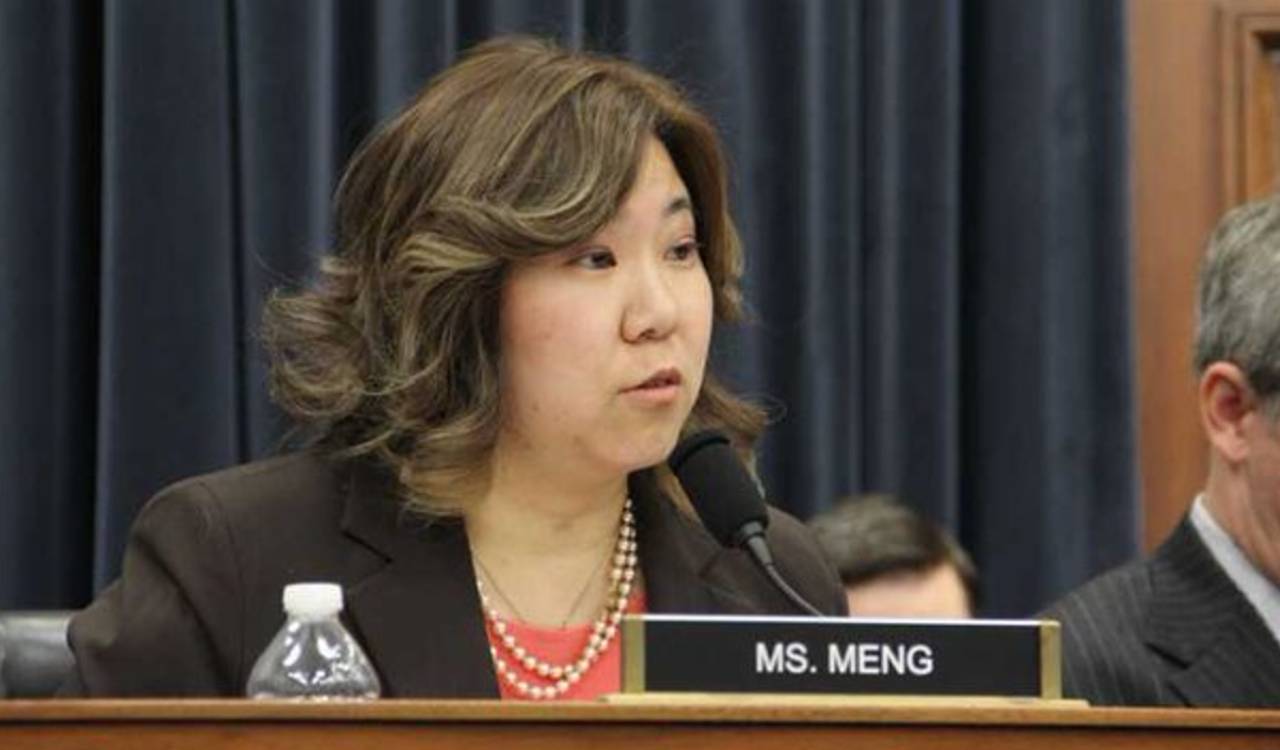
In the hallowed halls of the U.S. House of Representatives, a new push is underway to recognize one of the world's most vibrant celebrations. On November 10, 2026, Congresswoman Grace Meng reintroduced the Diwali Day Act, legislation aiming to designate the Hindu festival of lights as a federal holiday. The move comes at a critical moment, as Hindu and South Asian communities across the nation face what advocates describe as a disturbing surge in hate crimes and intimidation.
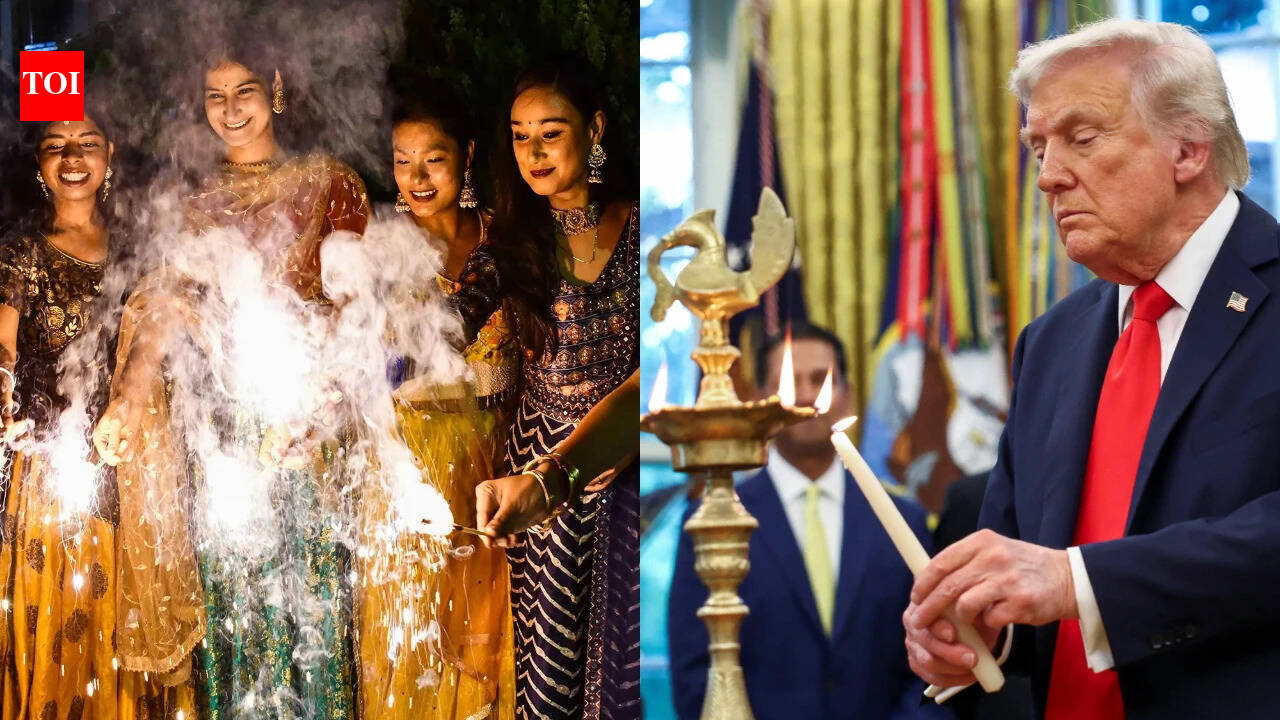
The bill has already attracted significant support, securing endorsements from 19 lawmakers in the House. Among them are five Indian-American representatives: Raja Krishnamoorthi, Suhas Subramanyam, Shri Thanedar, Ro Khanna, and Ami Bera. This diverse coalition reflects the broad recognition of Diwali's importance beyond just the Hindu community, as the festival holds deep significance for Sikhs, Jains, and Buddhists as well.

🚨BREAKING: Congresswoman Grace Meng reintroduces bill to make Diwali a federal holiday. https://t.co/d3dB9hRNhg
"Diwali symbolises the victory of good over evil and knowledge over ignorance," Meng explained in a statement. The legislation describes Diwali as an important annual observance for several religious communities, including Hindus, Sikhs, Jains and Buddhists. For millions of Americans, Diwali represents not just a cultural tradition but a spiritual cornerstone that transcends religious boundaries.
The push for federal recognition of Diwali represents more than just adding another day to the calendar.
The reintroduction of the Diwali Day Act comes in the wake of several disturbing incidents. On the same day the bill was introduced, reports emerged of an attempted mass shooting during Navratri celebrations, vandalism at Hindu temples, and disruptions at Diwali events across the country. These incidents are not isolated but part of what Meng and other lawmakers describe as a troubling pattern.
"My Diwali Day Act will help educate Americans about the importance of this day, and I will continue working to create a more inclusive nation that honours the rich cultural traditions of its people," Meng stated. She emphasized that "at a time when anti-Hindu and anti-South Asian hate is on the rise, recognising Diwali as a federal holiday sends a powerful message that Hindus, as well as Sikhs, Jains and Buddhists, are valued members of our society."

US Congresswoman Grace Meng Reintroduces Bill to Make Diwali a Federal Holiday https://t.co/vqbA4MBknr @RepGraceMeng #Diwali #DiwaliDayAct #GraceMeng #USCongress #FederalHoliday #IndianAmericans #HinduCommunity #SouthAsianCommunity
As chair of the Congressional Asian Pacific American Caucus (CAPAC), Meng has positioned the bill as both a cultural recognition and a necessary response to growing hostility. "CAPAC has been sounding the alarm that these acts of hate must be taken seriously and investigated by federal authorities," the caucus noted, highlighting the need for official acknowledgment of the challenges facing these communities.
The push for federal recognition of Diwali represents more than just adding another day to the calendar. For many in the Hindu, Sikh, Jain, and Buddhist communities, it would represent a formal acknowledgment of their place in America's cultural tapestry.
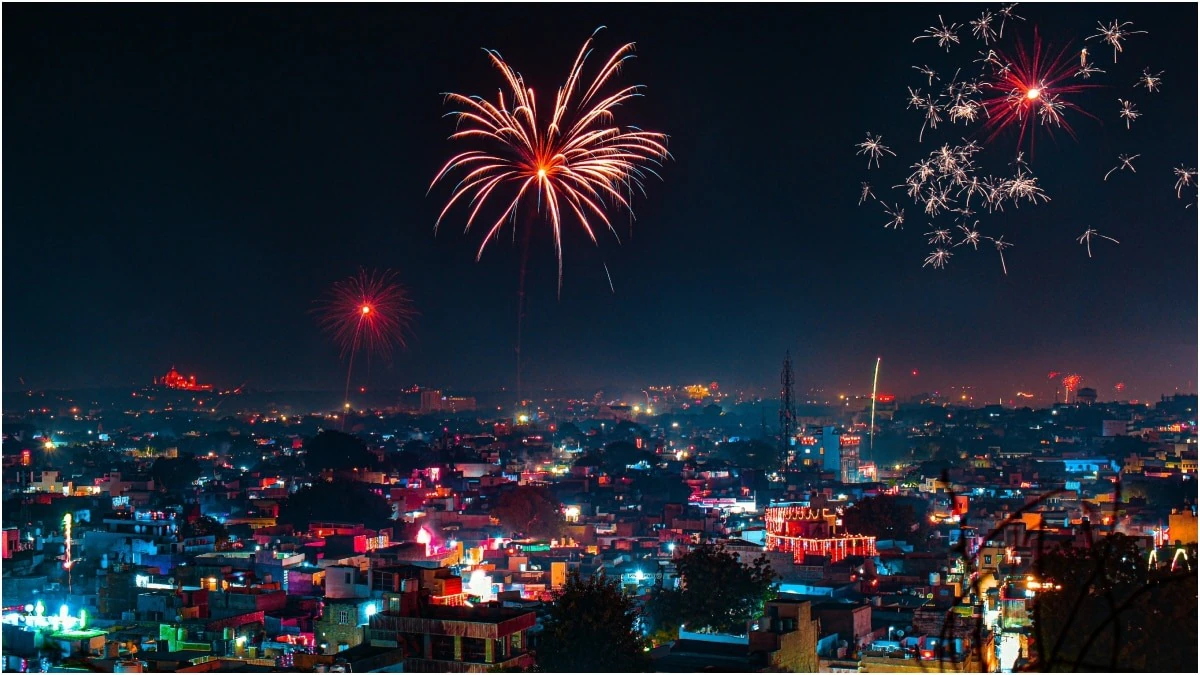

Diwali federal holiday bill reintroduced in US Congress by Grace Meng US Congresswoman Grace Meng reintroduces the Diwali Day Act to make Diwali a federal holiday, co-sponsored by 19 lawmakers including Indian-American members, amid rising anti-Hindu ha… https://t.co/cOaFbe8tKe
The Diwali Day Act has support from 19 lawmakers. However, the path to becoming federal law remains long, requiring approval from both chambers of Congress and the President's signature. The bill's supporters view it not only as necessary legislation but as a statement about America's commitment to inclusion in an increasingly diverse society.
As the debate unfolds, the Diwali Day Act stands as a mirror reflecting America's ongoing journey toward embracing its multicultural identity. The festival of lights, with its emphasis on the triumph of good over evil, has perhaps never been more relevant in a nation grappling with divisions and hate. Whether the bill becomes law or not, the conversation it has sparked represents a crucial moment in America's cultural and religious discourse.