
SpaceX's Starship represents a significant rocket development program. On its 15th test flight, the vehicle lifted off as part of the company's ongoing testing efforts. The mission aimed to achieve something unprecedented: catching both the Super Heavy booster and the Starship upper stage, demonstrating a capability for reusable spaceflight.
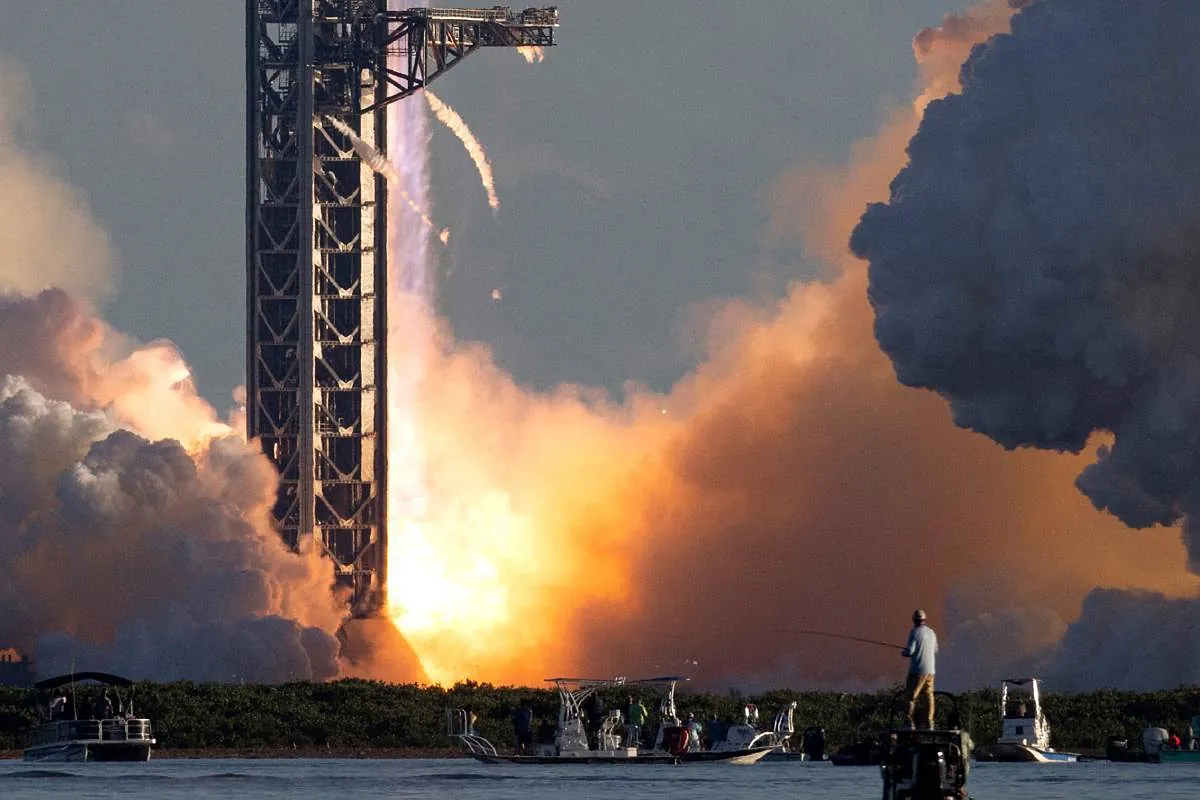
SpaceX had set its sights on what engineers call a "double capture"—returning both components of the system to the launch pad. The company had previously stated that such recovery attempts would only proceed under optimal conditions, acknowledging the technical challenges involved.

Live webcast of Starship's 15th flight test starts now → https://t.co/xvmIH2diNA
Despite the goals, the mission encountered obstacles. During the flight, SpaceX made the decision to abort the recovery attempt of the Super Heavy booster. Citing technical issues, the company opted not to proceed with the planned maneuvers, resulting in the booster landing in the Gulf of Mexico rather than being caught by mechanical arms.
Each test flight, whether successful or not, provides data for SpaceX's engineers.
"It appears the booster will now perform a water landing and not return for capture," a mission commentator stated as the situation unfolded. The Gulf of Mexico became the destination for the first stage. While this wasn't the planned outcome, the booster's water landing still represents the vehicle's ability to complete its descent.

Let’s catch Starship tomorrow! 🚀
While the booster's recovery was aborted, the Starship upper stage pressed on with its mission. The upper stage continues its mission after completing its deployment objectives.
"The goal of this mission was to attempt, for the first time, to recover both the booster and the Starship spacecraft using mechanical arms," explained Elon Musk, the company's founder and chief engineer. "The Starship is scheduled to return to Earth after deploying 26 V3 satellites of the Starlink network." This statement underscores the mission's objectives: testing reusability while advancing the Starlink satellite network.

Starship and 26 Starlink satellites trailing behind it, people are freaking out thinking it's a UFO LMAO https://t.co/PZ0X7hQrQd
Each test flight, whether successful or not, provides data for SpaceX's engineers. The aborted booster catch attempt, while not achieving its primary objective, still yields information about the vehicle's performance during descent. This approach to testing—building, flying, learning, and improving—has been central to SpaceX's development process.
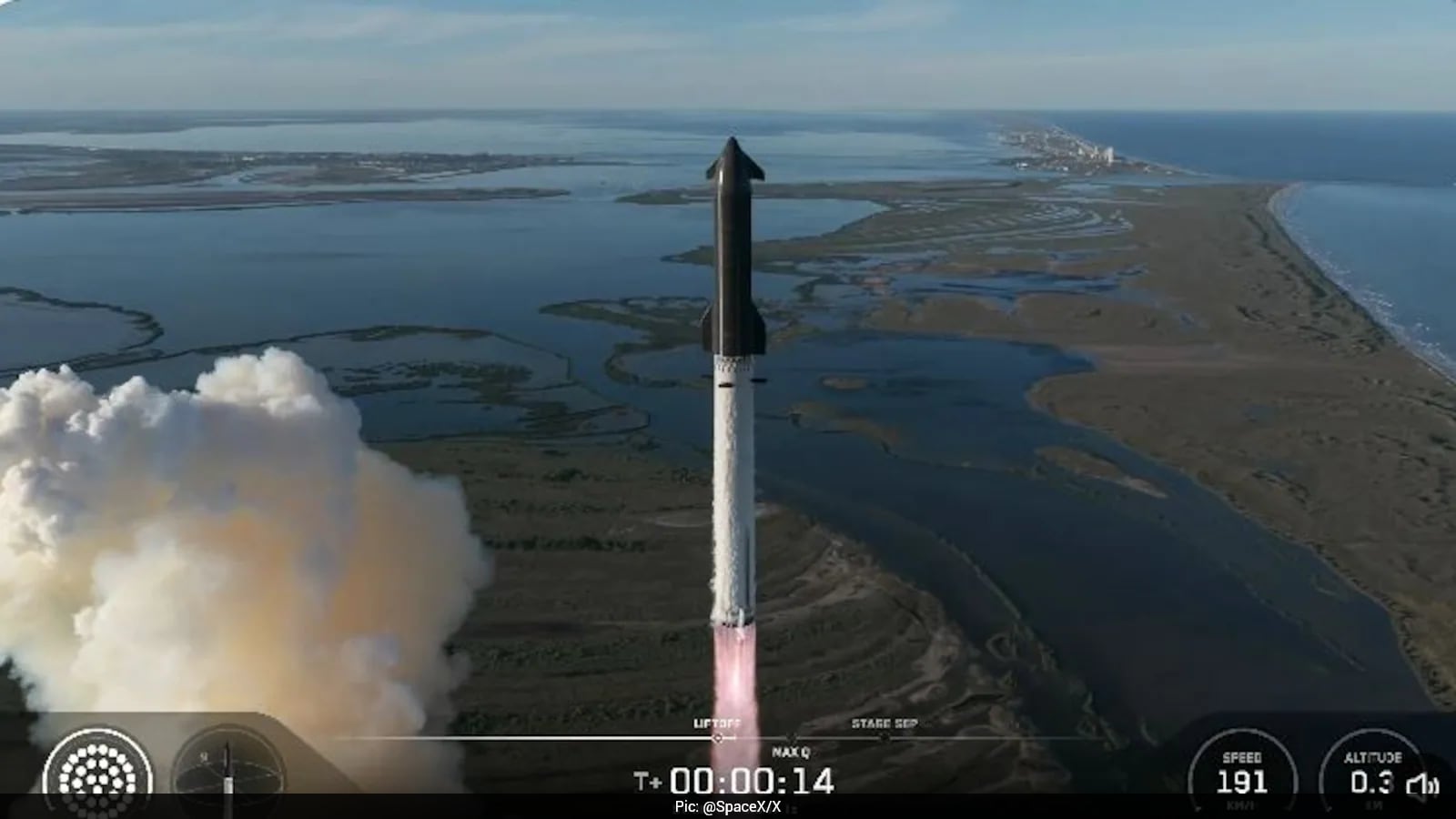
As SpaceX continues to refine its Starship system, the company remains committed to achieving full reusability. The 15th test flight, despite its setback, represents progress toward that ultimate goal. With each mission, the pieces of the puzzle come together, bringing development closer to a fully reusable rocket system.