
In the modern political landscape, the battle for influence is no longer fought solely on podiums and in parliament; it is fought in the edit suite. For Santiago Abascal, the leader of the far-right Spanish political party Vox, the power to shape a narrative is inextricably linked to the power to control the raw footage of his own words. This principle, once a matter of campaign strategy, has now become a hardline mandate, leading to a sudden and high-profile cancellation that has sent ripples through Spain's media ecosystem.

The friction began on November 8, 2026, during a scheduled appearance on 'La Revuelta,' a program produced by El Terrat and broadcast by the public broadcaster RTVE. What was intended to be a platform for Abascal to outline his party's vision instead became the catalyst for a profound breakdown in trust. Following the broadcast, Vox alleged that the production team and the broadcaster had unilaterally edited the interview, stripping away significant portions of the conversation.
According to the party, the missing segments were not mere filler or conversational tangents. Vox claims that the editors suppressed forty minutes of content—material they describe as containing vital messages regarding healthcare, public defense, and energy. To the party, this was not just a matter of stylistic trimming, but a violation of their agreement. They contend that RTVE and El Terrat edited the interview without their input, effectively silencing the very core of their political platform.
The fallout from the 'La Revuelta' incident arrived with unexpected speed.
As the dispute escalated, the focus shifted from the content of the interview to the ownership of the recording itself. Vox issued a formal demand, insisting that the full, unedited version of the encounter be released to the public immediately. The party’s stance is uncompromising: they view the refusal to provide the complete footage as a fundamental breach of their contractual expectations for control over content.
"El Terrat y RTVE se niegan a entregar a Vox o a hacer pública la grabación íntegra de la entrevista. Vox exige su entrega inmediata y su publicación," the party stated, making it clear that they believe the full dialogue should be accessible to all. For Vox, the refusal to hand over the recording is a critical procedural failure that underscores the party's demand for equal rights to use and edit the content, ensuring that crucial messages on healthcare, public defense, and energy are not excluded.
The fallout from the 'La Revuelta' incident arrived with unexpected speed. On November 11, 2026, Vox announced that Abascal would no longer participate in a highly anticipated interview with Jordi Wild, one of Spain's most influential digital voices. Wild, a YouTuber with a massive following of over seven million people, has become a central figure in the Spanish media landscape, having successfully secured interview slots with the country's four main presidential candidates, including Pedro Sánchez and Alberto Núñez Feijóo.
This cancellation was not an indictment of Wild himself. In a move designed to isolate the broadcasters rather than the creator, Vox explicitly cleared the YouTuber of any responsibility. The party noted that Wild’s channel, The Wild Project, operates similarly to traditional television shows by editing content for its audience. However, the political calculus had changed. The experience with RTVE had convinced Vox that the risk of being misrepresented by an editor was too high to ignore.
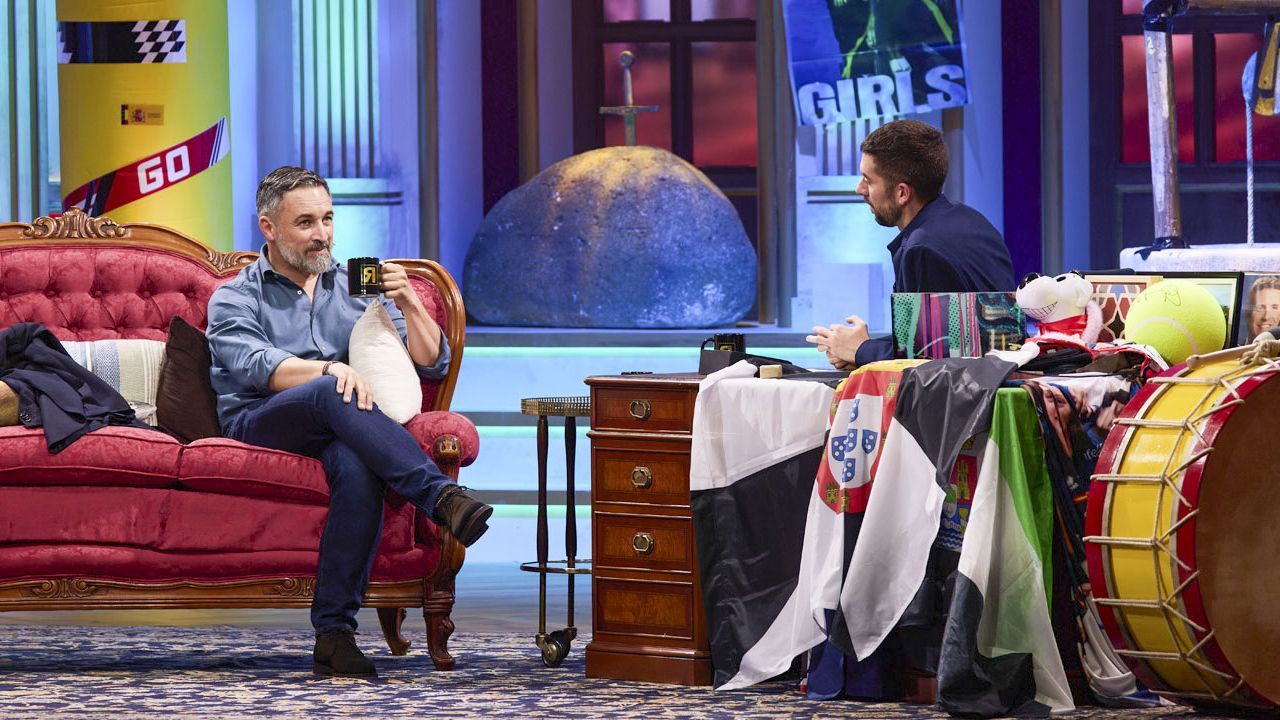
The decision to cancel the Wild interview marks a fundamental shift in how Vox intends to interact with the media. The party has moved beyond reacting to individual incidents, instead implementing a broad suspension of all interviews where they do not maintain full control over how the content is used. This is a strategic pivot toward a model of total media sovereignty.
Moving forward, Abascal will only accept platforms where Vox retains equal rights to use and edit the content. The party has expressed a deep skepticism of any arrangement where a host or broadcaster "pretenda tener el control en exclusiva de las respuestas y que se reserve de cualquier modo el derecho a editar imagen y contenido." In their view, if a political message is to be delivered, the party must have the right to ensure that message remains intact from the moment it is spoken to the moment it is viewed by the public.
This conflict highlights a growing tension in the digital age: the struggle between the editorial independence of media outlets and the desire of political actors to control their own brand. For RTVE and El Terrat, editing is a standard part of production, a way to shape a coherent program for a viewing audience. For Vox, that same editing is viewed with suspicion because it can lead to the exclusion of vital messages regarding healthcare, public defense, and energy.
By choosing to walk away from major platforms like Jordi Wild's, Vox is betting that their supporters will value their perceived integrity over the reach of a massive audience. They are prioritizing the sanctity of the unedited word over the broad visibility offered by the digital giants. As the party continues to navigate this electoral period, the question remains whether this strategy of controlled engagement will strengthen their bond with their base or leave them isolated from the wider public conversation.