
In the digital age, a single book can ignite controversy that spans continents and centuries. Such is the case with 'Basava Mantapa,' a work by US-based author Ravi Hande that has plunged Karnataka into a heated debate. The book portrays Basavanna, a revered 12th-century social reformer and Bhakti revolutionary, as a killer—a depiction that has severely angered the Veerashaiva Lingayat community, which holds Basavanna in high esteem.
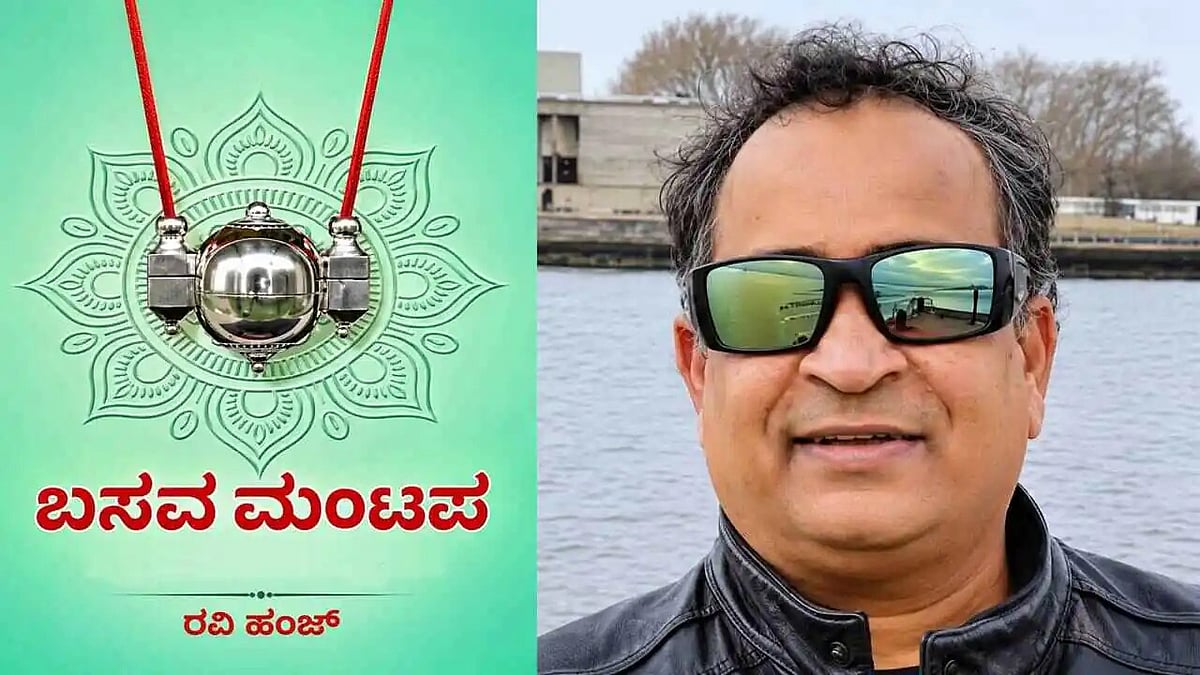
The backlash against the book has been swift and fierce. Aravind Jatti, President of the Basava Samiti, emerged as a prominent voice of opposition, demanding that the government confiscate the book under the guise of 'revisionism.' He further called for criminal cases to be filed against individuals disturbing public peace. The committee's response was not limited to words—they took concrete action by filing a police complaint against Hande and Bhattacharya, signaling that this controversy would not fade quietly.
The controversy has reached the highest levels of state government. In a significant development, the Karnataka cabinet has indicated its consent to ban the book altogether. This move reflects the political sensitivity surrounding the issue and the pressure the government faces to address community concerns. The potential ban represents a dramatic escalation in the conflict between artistic expression and religious sentiment.
In a detailed release, Hande directly confronted the most explosive allegations against his work—that he called Basavanna a thief and murderer.
Facing mounting opposition, Ravi Hande issued a clarification attempting to contextualize his work. He stated that his central argument—that Veerashaiva and Lingayat communities are one—remains unchanged, though he acknowledged that this position is not accepted by opponents of the religion. Hande emphasized that critics have not engaged with Basavanna's vacanas (devotional poems), suggesting that his work was intended to provoke deeper historical reflection rather than to insult.
In a detailed release, Hande directly confronted the most explosive allegations against his work—that he called Basavanna a thief and murderer. He explained that these charges originated from a 90-minute interview where he discussed historical and interpretative differences between Basavanna's era and various texts. To support his perspective, Hande cited B.L. Rice's 'The Mysore Gazetteer' and Jain literary sources like 'Bijjalanka Kavya,' highlighting contradictions in texts such as 'Basava Purana.' His aim, he clarified, was to examine these differing historical perspectives, not to diminish Basavanna's legacy.
At its core, this controversy represents a collision between historical inquiry and religious devotion. Hande's approach—examining contradictory historical texts and offering alternative interpretations—challenges traditional narratives surrounding Basavanna. For the Veerashaiva Lingayat community, however, such reinterpretations cross a line, threatening the sacred status of their revered figure. As the debate continues, it raises fundamental questions about how societies navigate the tension between academic freedom and respect for religious sentiment in the examination of historical figures.