
The Federation of Indian Chambers of Commerce and Industry (FICCI) has stood as a witness to the shifting tides of India's economic history for 100 years. As the organization marked its centenary, the milestone provided a natural vantage point to look back at the country's journey through various developmental phases. Prime Minister Narendra Modi, addressing the annual conference, framed this history not merely as a passage of time, but as a transition from stagnation to a period of rapid, structural change. He reminded the audience that the nation's economic narrative was once defined by the 'License Quota Raj' and the failed experiments of nationalization, eras that often stifled the very growth they intended to manage.
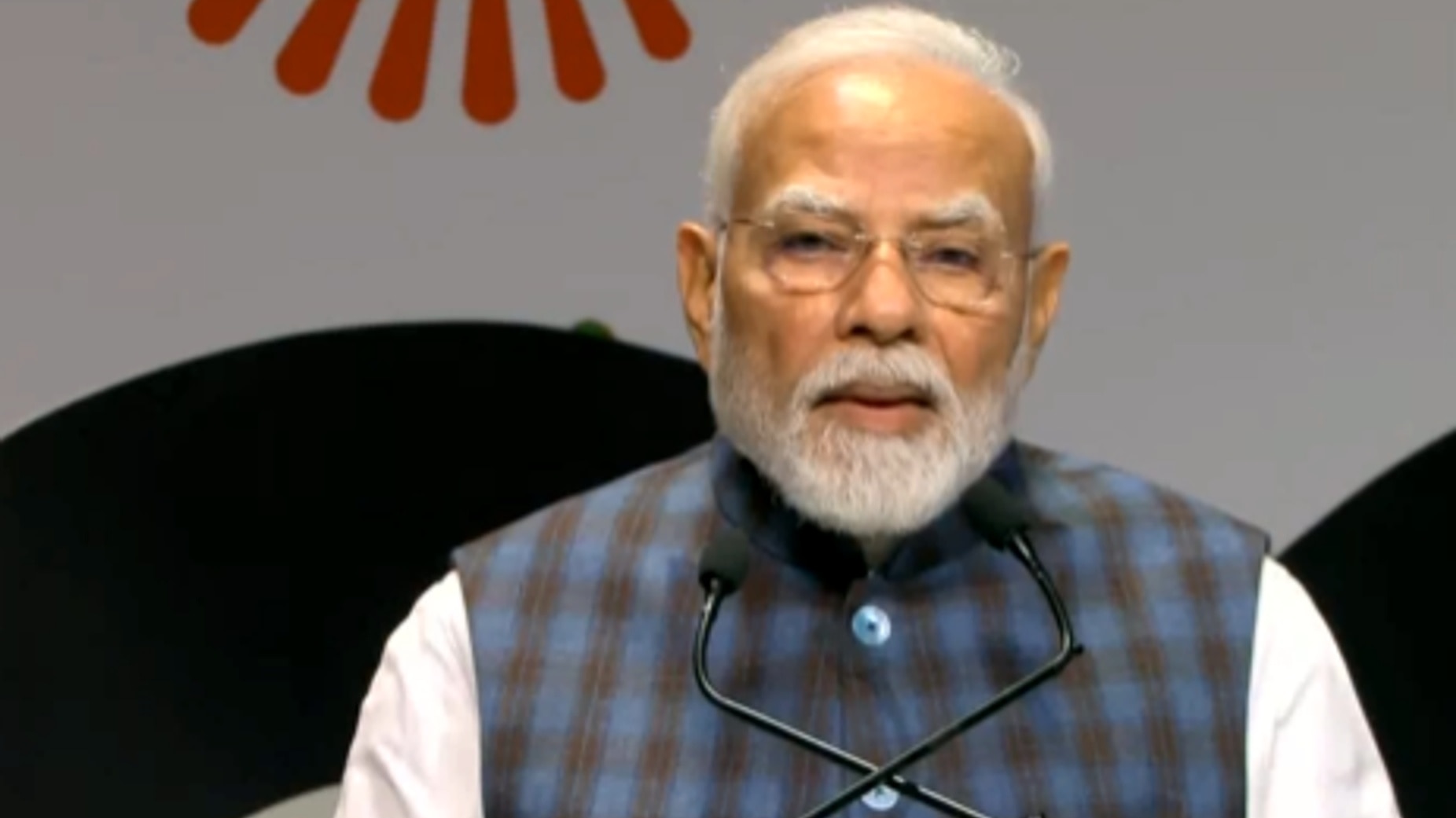
Perhaps the most striking contrast drawn by the Prime Minister was the shift in India's global standing. In the early 21st century, India was frequently categorized by international observers as one of the 'Fragile Five' economies—a label that suggested vulnerability, high inflation, and a lack of investor confidence. Today, that narrative has been replaced by a different reality. According to the Prime Minister, India now holds the distinction of being the world's fastest-growing major economy. This evolution, he argued, was not an accident of history but the result of deliberate policy choices and the collective labor of the nation's youth, farmers, workers, and industry leaders over the past 12 years.

#BREAKING PM Modi questions corporate India: Tax cuts given, but where are the jobs and salary hikes? Addressing FICCI, PM Modi reminded business leaders that corporate tax was cut from 30% to 22%, while individuals now pay no income tax on earnings up to ₹12 lakh under the new regime “You always ask for more. But did you hire more employees? Did you increase their salaries?” Tough question to India's biggest businesses!
The most significant metric of this transformation, according to the Prime Minister, is the sheer number of citizens who have moved out of poverty. Citing data from the World Bank, he noted that approximately 50 crore people have escaped poverty over the last 12 to 13 years. This represents a fundamental change in the country's social fabric, moving the conversation from the mere rhetoric of 'removing poverty' to the reality of economic empowerment.
For the first time since Independence, India has recorded an average agricultural growth rate of over 4 percent.
While industrial growth often captures the headlines, the Prime Minister highlighted a quiet revolution taking place in the fields. For the first time since Independence, India has recorded an average agricultural growth rate of over 4 percent. This consistent performance in the primary sector has been a cornerstone of the broader economic stability, proving that the country's growth is not confined to urban centers or high-tech sectors, but is rooted in the productivity of its rural heartland.

Prime Minister @narendramodi inaugurates FICCI Annual General Meeting and Annual Convention 🔹India's growth story is creating new opportunities; Our industries must be ready to seize them 🔹#FICCI is completing 100 years of its establishment; For an institution to remain continuously vigilant, and active for a century, evolve with the changing times, and to keep playing its role in the country's economic journey is a very big achievement 🔹Across its century-long journey, FICCI has witnessed the nation's industry achieve a great deal; Now is the time to decide what Indian industry can achieve in the next 20 years 🔹Make 'India First' the foundation of every long-term investment decision you take for the next 20 years; This will make the country self-reliant and will also open new opportunities for the growth of your business 🔹Our domestic market must not become our comfort zone; It should provide us with the confidence to compete in global markets; Therefore, invest in understanding the needs of customers across different regions of the world ➡️For more information, read here: https://t.co/JCISQPtZAn @PMOIndia
With the centenary of FICCI serving as a bridge to the future, the Prime Minister shifted the focus toward the next two decades. He challenged the nation's industry leaders to define what Indian enterprise can achieve by 2047, the year India aims to become a fully developed nation. This vision relies on a shift in mindset, particularly regarding self-reliance. Using the pharmaceutical sector as a primary example, he emphasized the need to reduce import dependency, encouraging domestic industries to build the capacity to meet national needs internally.
Ultimately, the Prime Minister's message was one of confidence in the power of governance. He argued that the success of the last decade was a direct result of having the right policies and intentions. As India moves forward, the focus remains on maintaining the current economic momentum to ensure that the gains of the last 12 years are not just sustained, but accelerated as the country approaches its centenary of Independence.

Prime Minister @narendramodi urges industries to make 'India First' the basis of long-term investment decisions; Says, it will strengthen self-reliance and create new business opportunities. #Bharat2047 #FICCI #FICCIAGM Read More👉https://t.co/7KebzhTljn