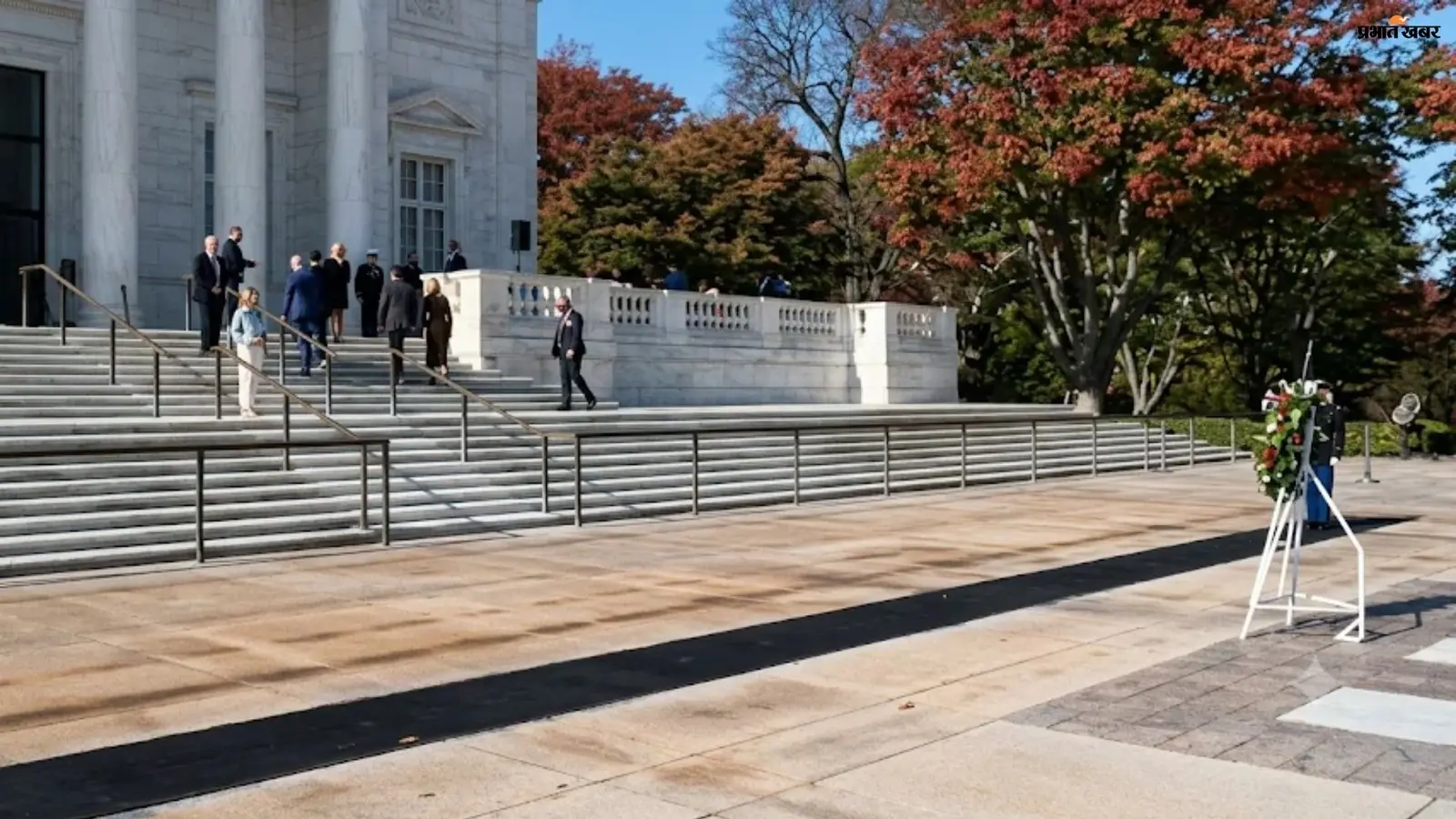
At Arlington National Cemetery, silence is not merely a suggestion; it is a requirement. The Tomb of the Unknown Soldier stands as one of the most sacred military memorials in the United States, serving as the final resting place for an unidentified American service member killed during the First World War. To walk near it is to enter a space where the noise of the living is expected to yield to the memory of the fallen.
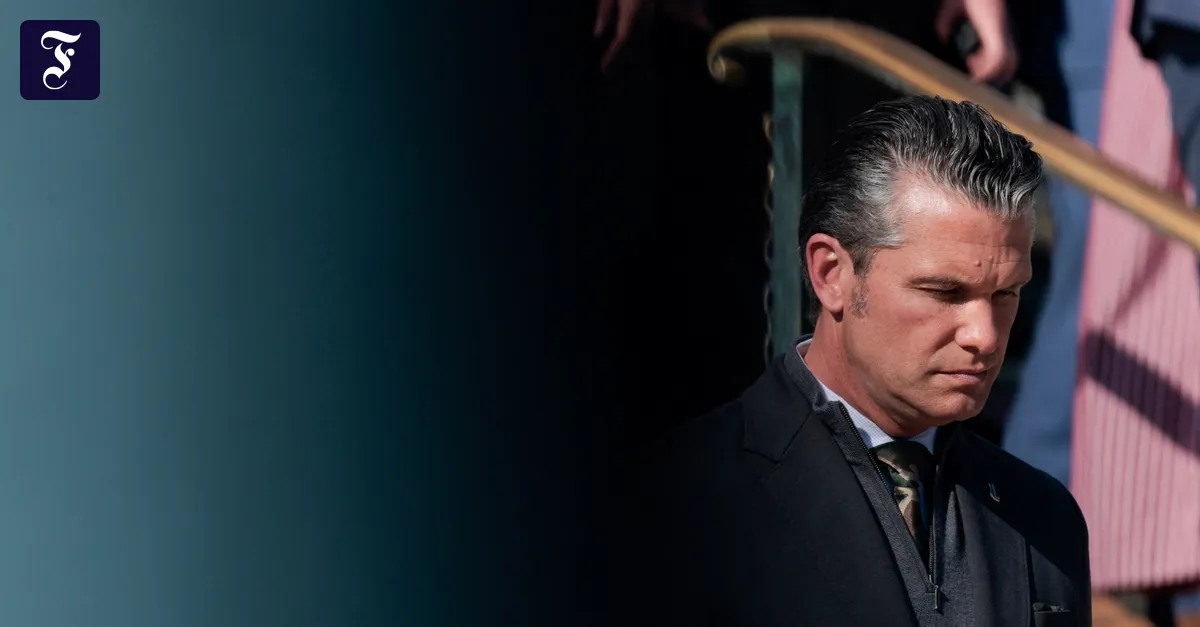
On Veterans Day, that silence was broken. A group led by U.S. Defense Secretary Pete Hegseth, accompanied by his wife, Jennifer, and several senior advisors, paused near the tomb. The group had just finished taking photographs, but as they moved away, the sounds of conversation and laughter drifted across the grounds. The levity of the moment clashed sharply with the gravity of the site.
A U.S. Army sentinel, tasked with guarding the sanctity of the site, intervened. The soldier did not offer a polite suggestion; instead, the sentinel issued a firm reprimand to Hegseth, his wife, and his aides, reminding them of the strict rules governing conduct at the memorial. The soldier's message was clear and unyielding: "All visitors will maintain an atmosphere of silence and respect at all times."
Sean Parnell offered a perspective that sought to bridge the tension between the Secretary's presence and the soldier's duty.
While the incident sparked immediate discussion regarding the conduct of high-ranking officials, Pentagon officials moved quickly to defend the soldier's actions. The reprimand was seen not as an affront to the Secretary, but as a necessary enforcement of the decorum required at such a hallowed location. The sentinel was simply performing the duty for which they were stationed: ensuring that the atmosphere of the Tomb remains undisturbed.
The fallout from the encounter drew various reactions from those within the military and political spheres. Sean Parnell offered a perspective that sought to bridge the tension between the Secretary's presence and the soldier's duty. Parnell noted that while the group was there to commemorate a solemn day, the soldier acted appropriately.
"While commemorating this solemn day, a soldier correctly and respectfully reminded everyone to maintain decorum," Parnell stated. He further emphasized the Department's commitment to the fallen, asserting that "The Secretary and the entire Department have always honoured—and will always honour—the sacrifices our military men and women have made to keep America safe."
The friction at Arlington occurred against a backdrop of intense political activity and shifting electoral landscapes. High-profile figures had recently attended Veterans Day ceremonies, adding to the heightened sense of national observance and political scrutiny surrounding military honors.

Simultaneously, the American political map was seeing historic shifts. In Mississippi, the results of the Senate race began to reshape the state's long-standing political identity. CNN projected that Democrat Scott Colom would win the seat, marking a significant departure from the state's traditional Republican dominance.
Colom's projected victory is more than a simple partisan flip; it represents a generational and demographic milestone. He is the first Democrat to win a Mississippi Senate race in more than 40 years. This electoral shift, occurring in the same window as the controversies at Arlington, underscores a period of profound transition in American civic life—where the traditions of the past are being simultaneously defended at military gravesites and challenged at the ballot box.
As the nation processed both the social friction at the cemetery and the electoral shifts in the South, the halls of Congress remained in a state of upheaval. An impeachment effort was initiated by Representative Thomas Massie.
The convergence of these events—a sentinel enforcing respect at a tomb, a historic Democratic win in a Republican stronghold, and the initiation of impeachment proceedings—paints a picture of a country navigating complex tensions between tradition, political evolution, and institutional accountability.