The landscape of European football is defined by the rigorous structure of the UEFA Nations League, a tournament designed to elevate the stakes of international play outside of the traditional cycle of major championships. As the schedule progresses, the focus shifts to Group 1, a theater where every point carries significant weight for the teams involved. It is within this crucible that Türkiye and Belgium are set to meet, a fixture that promises to draw the eyes of fans across the continent to the coastal city of Izmir.
The venue for this encounter is the Gürsel Aksel Stadium, a facility that will serve as the backdrop for the tactical chess match between two squads vying for supremacy in their group. The match is scheduled to take place on November 12, with the opening whistle slated for 20:00. Such fixtures require more than just athletic prowess; they demand a precise orchestration of logistics and oversight to ensure the integrity of the game remains beyond reproach. For the participants, the stadium in Izmir is not merely a pitch, but a pivotal site where the trajectory of their Nations League campaign could be fundamentally altered.
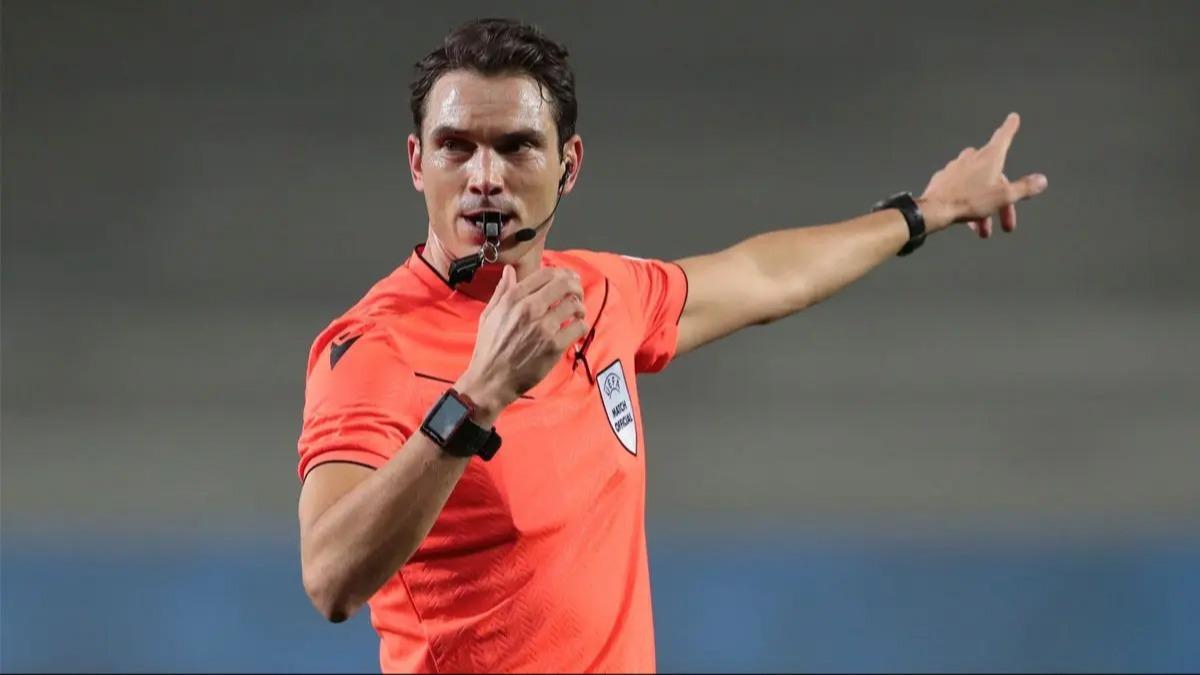
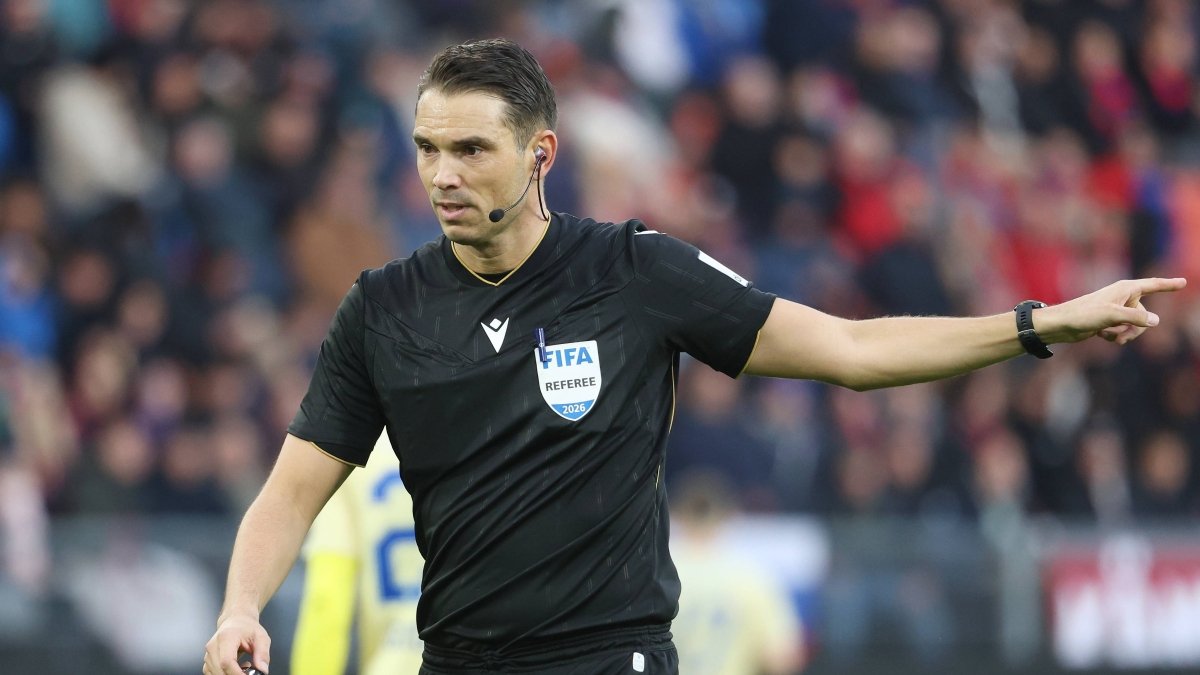
Central to the administration of any high-level football match is the selection of the officiating crew, a process managed by UEFA to ensure neutrality and expertise. In the lead-up to the clash between Türkiye and Belgium, the governing body has turned to the Swiss officiating circuit, appointing Sandro Scharer to serve as the match referee. Scharer, a figure recognized within the European officiating community, carries the responsibility of interpreting the laws of the game under the intense pressure of a top-tier international environment. His appointment, announced on November 10, underscores the reliance on established referees to navigate the volatile dynamics of a match between two competitive nations.
Beyond the physical presence of the officiating team on the grass, the match will be subject to the rigorous oversight of the Video Assistant Referee (VAR) system.
While the referee is the most visible authority on the pitch, the modern game is a collaborative effort involving a team of specialists. Scharer will not be working in isolation; he will be supported by a dedicated crew of compatriots. Stephane De Almeida and Jonas Erni have been named as his assistants, tasked with monitoring the touchlines and offside decisions, while Mirel Turkes will manage the technical area as the fourth official. This team structure is designed to provide comprehensive coverage across the field, ensuring that the nuances of play are captured from multiple vantage points, thereby minimizing the margin for human error during the heat of competition.
Beyond the physical presence of the officiating team on the grass, the match will be subject to the rigorous oversight of the Video Assistant Referee (VAR) system. This technology has become an indispensable component of the modern game, providing a safety net for critical decisions. For the match in Izmir, Lukas Fahndrich has been appointed to manage the VAR suite, supported by assistant Luca Cibelli. Together, they will monitor the proceedings from the video booth, ready to intervene should a clear and obvious error occur. As the clock ticks toward 20:00 on November 12, the focus remains on whether these officials can maintain the delicate balance of the game, allowing the players to determine the outcome while ensuring the rules of the sport are upheld with absolute consistency.