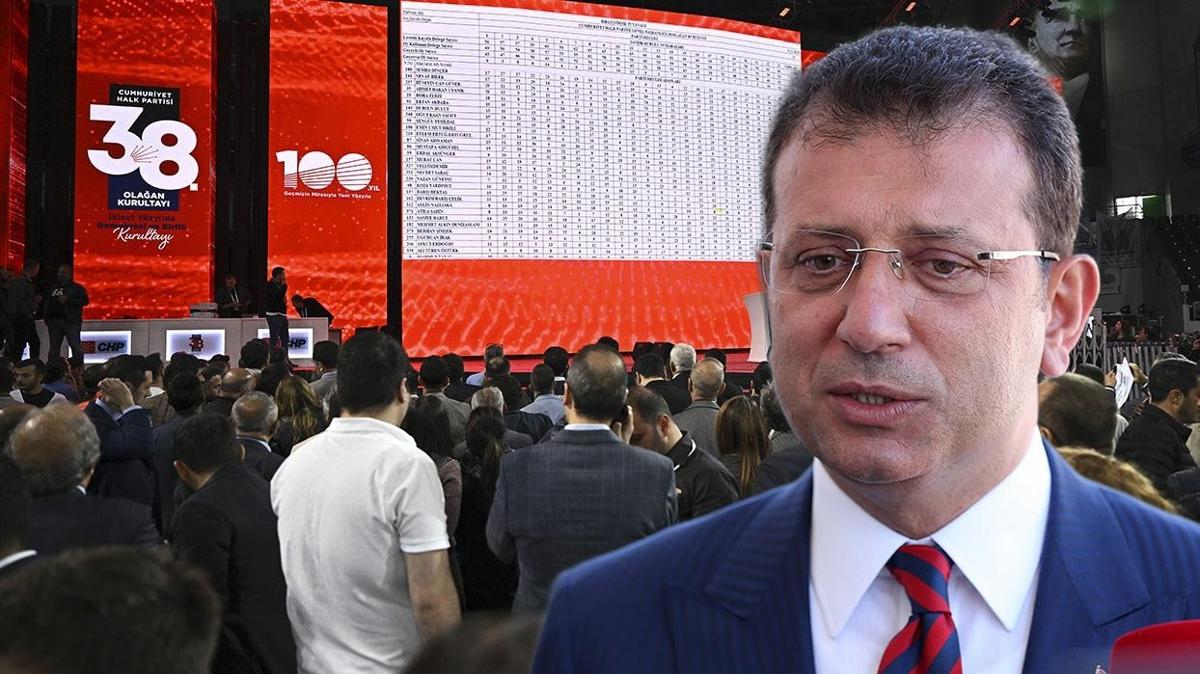
In the final days of late 2026, the Ankara 26th Criminal Court of First Instance concluded the final session of a trial that had become a defining legal moment for Turkey’s opposition politics. The case, known as the “disputed congress” trial, concerned allegations of irregularities at the Republican People’s Party (CHP) 38th Ordinary Congress. The atmosphere in the courtroom was charged with a mix of anxiety and defiance. Unremand defendants, including Istanbul Provincial Chair Özgür Çelik, Bursa Provincial Chair Nihat Yeşiltaş, and former BELTUR Board Chair Özgen Nama, attended alongside their legal teams. For many observers, this was not just a procedural end to a case, but a signal of how deeply the judiciary’s reach had extended into the internal mechanics of the country’s most prominent opposition group.
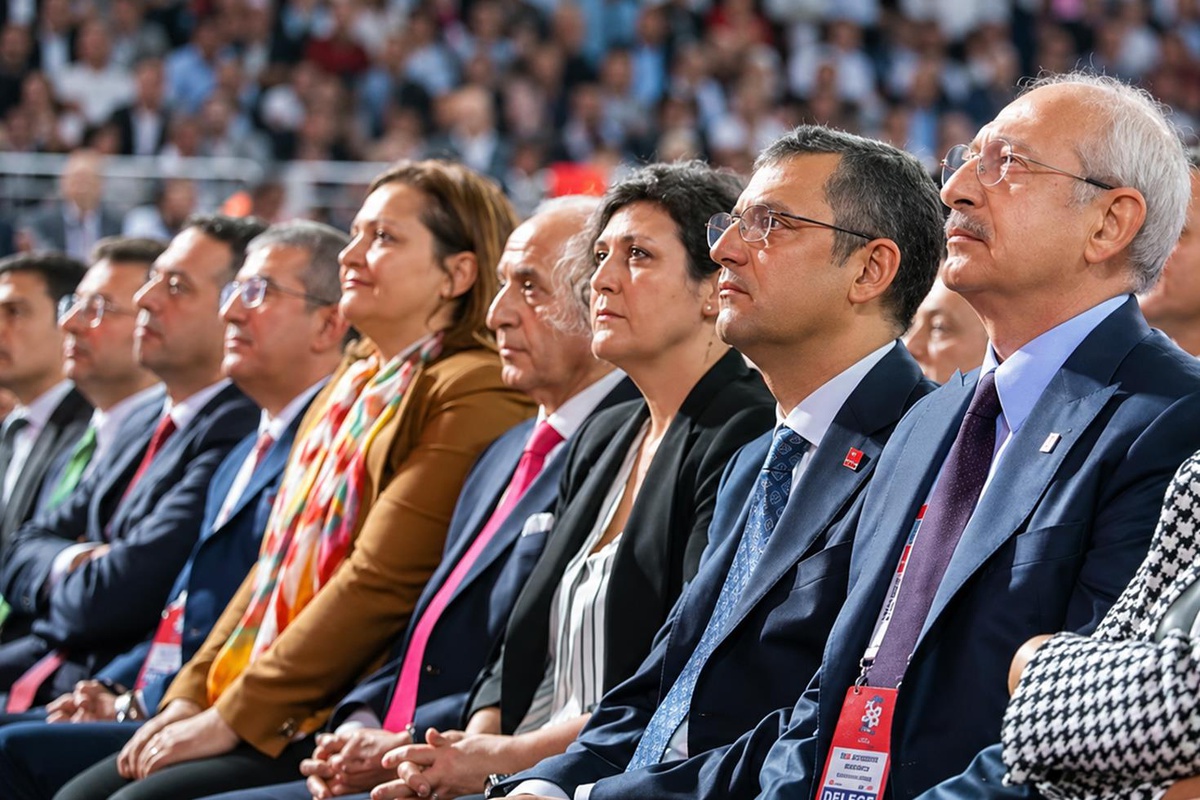
To understand the weight of the verdict, one must look back to when the CHP held its 38th Ordinary Congress in Ankara. This gathering was not merely a routine party meeting; it was a battleground where different factions within the party sought to shape its future direction. Allegations later surfaced that irregularities were committed during this process, sparking a wave of complaints that eventually led to criminal charges. The court’s attention turned to a specific cluster of individuals accused of opposing provisions of the Election Law in their handling of the congress. This split in the party’s ranks created a clear narrative: one side believed they were upholding party democracy, while the other saw criminal intent in the very procedures of their own gathering.
In the final hearings, the defendants offered distinct perspectives on why they were there. Özgen Nama, who had sought his release, framed his presence in the dock as a byproduct of social media vitriol. “I am here as a result of a slander; I demand my acquittal as requested by the prosecutor's statement,” Nama told the court, pointing to a lack of criminal intent in his actions. Nihat Yeşiltaş echoed this sentiment, tracing the case’s origin to a specific social media post by Erkan Çakır made after the congress. “Everyone knows this case started with a slander by an individual,” Yeşiltaş argued, claiming that the legal process had been hijacked by online disputes. He added a personal note of regret, stating that he had voted for Kemal Kılıçdaroğlu and now felt the consequences of that choice.
The most sharply critical voice came from Özgür Çelik, who framed the trial as an instrument of state power.
The most sharply critical voice came from Özgür Çelik, who framed the trial as an instrument of state power. “The purpose of these trials is to design politics through the judiciary. We want a democratic Turkey,” Çelik declared. He highlighted a perceived double standard, demanding the release of HTS records involving İsmet Cemil Tugay, noting that while he faced charges for the same alleged crime, Tugay had received different treatment. This argument resonated with many in the opposition base, who saw the court as a mechanism to marginalize specific political figures rather than to seek impartial justice. Meanwhile, Rızak Akpolat, who was being held in custody from a separate case, offered a different defense. He stated that his decisions were made according to the will of the people, arguing that the 2023 congress process had genuinely responded to a popular demand for change.
On the same day the trial concluded, the court issued its verdict, drawing a sharp line through the CHP’s leadership. The ruling found that there was no criminal element in the accusations against Cemil Tugay, Hüseyin Yaşar, and Özgen Nama, resulting in their full acquittal. For these three individuals, the case closed with a declaration of innocence. However, for the remaining defendants, the outcome was starkly different. The court sentenced nine individuals—Ekrem İmamoğlu, Rıza Akpolat, Özgür Çelik, Nihat Yeşiltaş, Baki Aydöner, Erkan Aydın, Mehmet Kılınçarslan, Metin Güzelkaya, and Serhat Can Eş—to prison for opposing the Election Law. Each of the nine received a sentence of two years and one month.
The headline of the story, however, focused on the implications for Ekrem İmamoğlu, the prominent Istanbul Mayor and a central figure in the opposition. The verdict carried an additional layer: a political ban. While the prison sentences were the legal conclusion of the trial, the ban signaled a broader restriction on the political rights of the convicted, potentially barring them from running for or holding public office. This move effectively separated the legal punishment from its political consequences, creating a scenario where even after serving time, the most prominent figures in the CHP would face limitations on their future electoral participation. The split verdict left the party in a fractured state, with some leaders vindicated and others facing a future of incarceration and political exclusion.