For millions of passengers and flight crews across the United States, a day began with unprecedented silence as the Federal Aviation Administration (FAA) issued a nationwide ground stop.
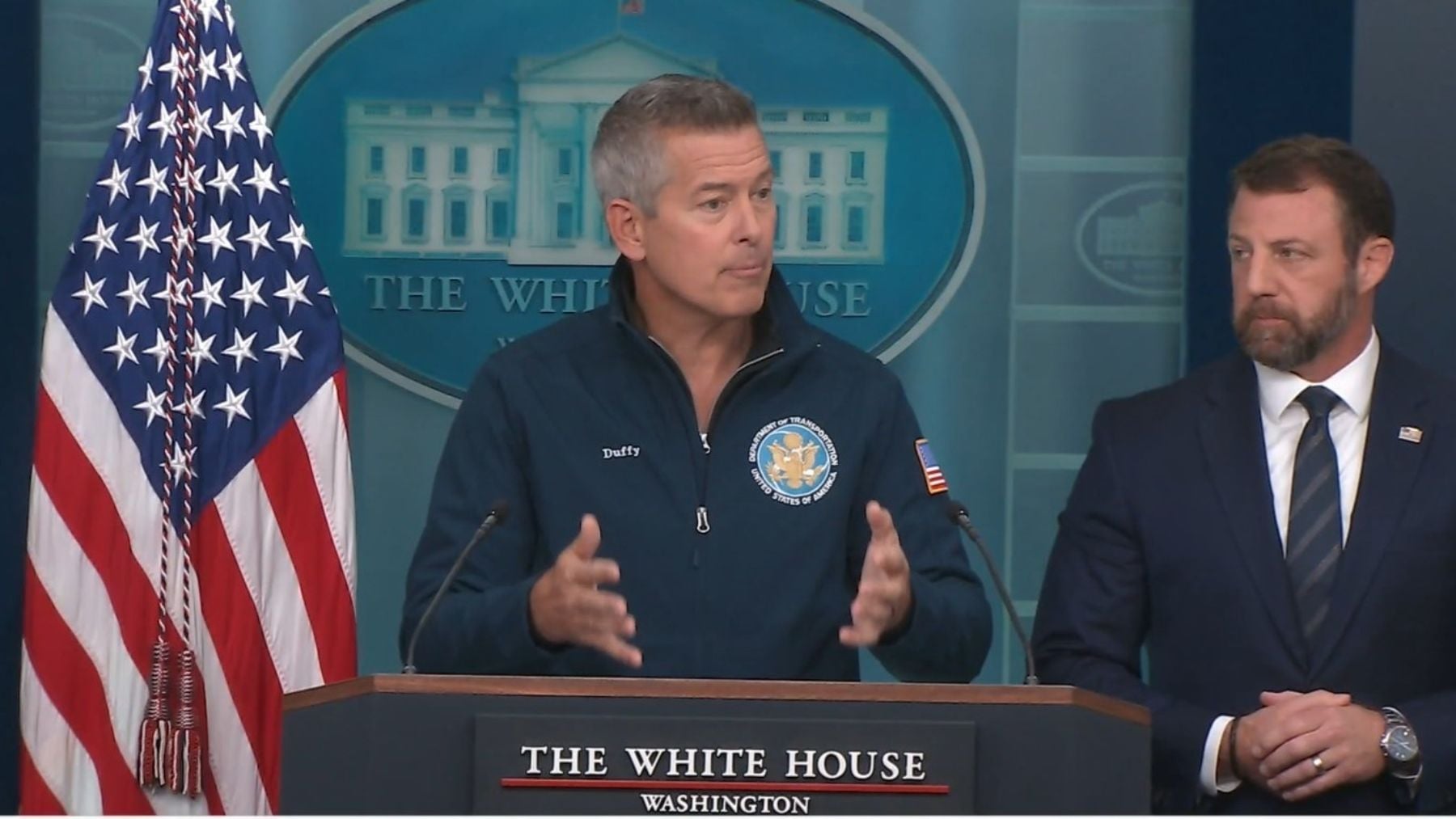
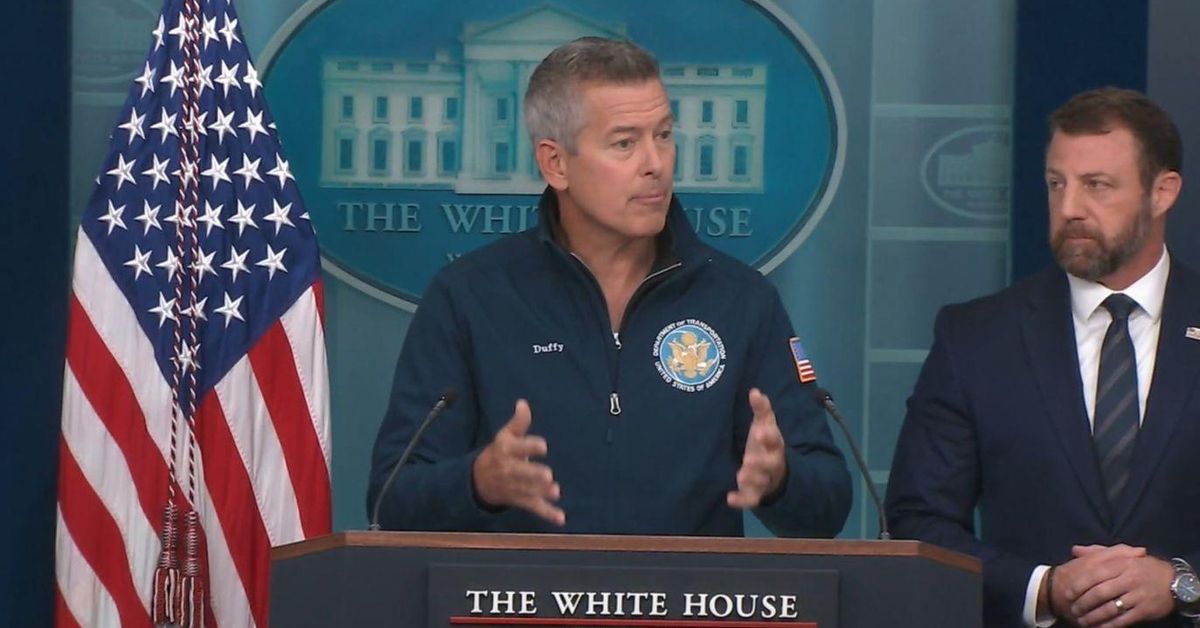
As the ground stop took hold, the scale of the disruption became immediately apparent. Transportation Secretary Sean Duffy, speaking from the White House, later clarified the mechanics behind the chaos. The suspension was triggered by a combination of aging air traffic control infrastructure and a critical router overload. These systems, which act as the digital nervous system for flight coordination, were unable to process the load, leading to the collapse of operations. The reliance on legacy technology, long a concern for aviation experts, had finally reached a breaking point, forcing the FAA to halt all departures to ensure the safety of the thousands of aircraft already in the air.
In the immediate aftermath of the shutdown, the federal government moved to contain the situation. Markwayne Mullin, the Secretary of Homeland Security, emphasized that the decision to ground the fleet was taken out of an abundance of caution. When a system as vital as air traffic control experiences a telecommunications failure, the margin for error disappears. The priority was not efficiency, but the prevention of a catastrophic loss of coordination. By freezing the system, officials bought themselves the time necessary to diagnose the router issues and verify that the towers could safely resume their duties without risking the lives of passengers or crew.
The sheer volume of cancellations serves as a testament to how tightly integrated and interdependent the modern aviation network has become.
By the time the disruption ended, FlightAware, a company that specializes in tracking global air traffic, reported that 2,493 flights within, to, or from the United States had been cancelled. This figure represents more than just a logistical headache; it reflects thousands of disrupted lives, missed connections, and the cascading effects of a system that cannot afford to be offline for even a few hours. The sheer volume of cancellations serves as a testament to how tightly integrated and interdependent the modern aviation network has become.
After hours of intense troubleshooting, the order was finally lifted. Secretary Duffy addressed the public during a press conference, signaling that the worst of the crisis had passed. "En estos momentos hemos abierto el espacio aéreo. Tenemos nuestros centros y nuestras torres de control de tráfico aéreo operativas," Duffy announced. With the towers back online and the routing systems stabilized, the slow process of clearing the backlog began. The reopening was a relief, but it served as a stark reminder of how quickly the modern world can be brought to a halt when its foundational infrastructure fails.
Beyond the immediate restoration of flights, the incident has ignited a conversation about the future of American aviation. Secretary Duffy has been clear about the root cause: the infrastructure is outdated. He has used the aftermath of the shutdown to urge Congress to approve significant new funding for the modernization of air traffic control systems. The argument is that the current setup is no longer capable of meeting the demands of contemporary air travel. Without a systemic overhaul, the risk of another router overload or a similar technical failure remains a persistent threat to the stability of the national airspace. As it stands, the system is operational, but the four-hour silence of that day remains a warning of what happens when technology fails to keep pace with the world it serves.