The architecture of global commerce is built on a delicate balance of exchange, but that balance is currently being tested by a series of aggressive maneuvers from Washington. On a Wednesday in late November, the Office of the United States Trade Representative (USTR) unveiled a proposal that has sent ripples through the international markets: a looming wall of tariffs designed to reshape the way the United States interacts with its largest trading partners.

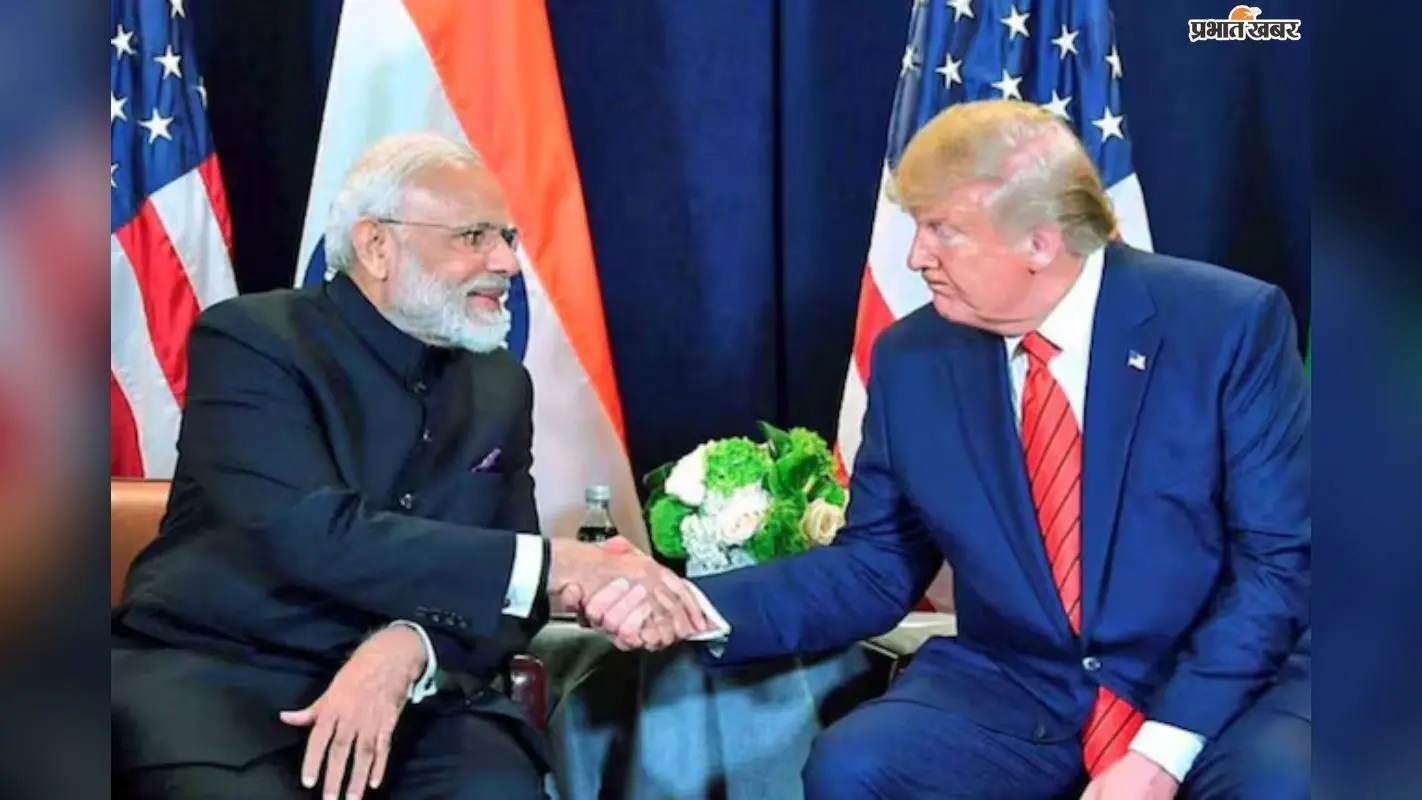
At the center of this storm is India. The USTR has proposed a 25 percent tariff on Indian goods, a significant levy that would fundamentally alter the cost of doing business between the two nations. However, the proposal contains a built-in escape hatch. If a trade deal can be finalized, that rate would drop to 17 percent. It is a classic diplomatic carrot-and-stick, an attempt to leverage market access to force a renegotiation of long-standing trade dynamics.
This is not a sudden impulse, but rather the culmination of an investigation that began in March. Under the authority of Section 301, the USTR launched investigations into 16 different economic jurisdictions, seeking to address what American officials describe as systemic imbalances. The core of the grievance lies in what the U.S. perceives as excess industrial capacity and market access barriers that allegedly harm American companies.
administration has proposed new tariffs on 14 major economies, creating a broad front of trade tension.
Jamieson Greer, the U.S. Trade Representative, has been vocal about the underlying philosophy driving these moves. He argues that the current global landscape is not a level playing field, but one tilted by the strategic choices of other nations. "For decades, many of our trading partners have adopted industrial strategies built on targeting manufacturing, wage and labour suppression, financial and other support, non-market economy inputs, and other market-distorting practices that tilt the trade balance in their favour while eroding America's manufacturing base," Greer stated.
To the U.S. administration, these are not merely economic disagreements; they are defensive measures against industrial strategies that they believe undermine the American worker and the domestic manufacturing sector.
While the investigation covers a wide swath of the globe, the specific targets reveal where the U.S. feels the most pressure. In the case of India, the USTR has pinpointed specific sectors where the trade imbalance is most pronounced. The report highlights that India generates significant trade surpluses in pharmaceuticals, steel, and ICT—Information and Communications Technology—goods.
By identifying these sectors, the U.S. is signaling exactly where it intends to exert pressure. The USTR noted that these surpluses reveal dependencies on Indian manufacturing in certain key sectors, suggesting that the American economy has become reliant on imports that the U.S. now seeks to regulate more strictly through these proposed duties.
India is not alone in the crosshairs. The U.S. administration has proposed new tariffs on 14 major economies, creating a broad front of trade tension. The scale of the proposed levies varies significantly depending on the nation in question, reflecting the specific economic anxieties of the U.S. government.
China faces the heaviest burden with a proposed 40 percent tariff rate. Other major players, such as Japan, South Korea, Taiwan, and Switzerland, are looking at a 15 percent tariff. Vietnam, a key player in global supply chains, would face a 20 percent rate if a trade deal is concluded. Even the European Union is caught in this net, with specific rates for other targeted economies ranging between 20 and 35 percent.
This widespread approach suggests a fundamental shift in American trade policy, moving away from broad liberalization and toward a more targeted, defensive posture aimed at protecting domestic industries from what the U.S. views as non-market distortions.
As the dust settles on the announcement, the clock is already ticking for both Washington and its trading partners. The process is moving toward a period of formal scrutiny and public debate. The USTR has set a deadline of January 5 for the submission of written comments, allowing businesses, governments, and industry experts to voice their concerns or support regarding the proposed tariffs.
Following the comment period, the administration plans to hold public hearings on January 25. These hearings will serve as a critical forum for the arguments that will shape the final decision. For India, the window of opportunity is narrow: the difference between a 25 percent tariff and a 17 percent tariff rests entirely on the ability of negotiators to reach a comprehensive trade agreement before the implementation of these measures.
For now, the global trading community remains in a state of watchful waiting, observing whether these proposed tariffs will lead to a new era of protectionism or serve as the necessary friction to spark a more equitable series of trade agreements.