In the intricate chess game of Middle Eastern diplomacy, Qatar has positioned itself as a key mediator, quietly working to bridge the divide between Iran and the United States. On a Thursday in early November 2026, this small but influential Gulf state presented Washington with an Iranian nuclear proposal, setting the stage for what would become a significant diplomatic moment. The move, undertaken alongside Pakistan, reflected Qatar's growing role as a diplomatic facilitator in a region where tensions between Iran and the West have long simmered beneath the surface.

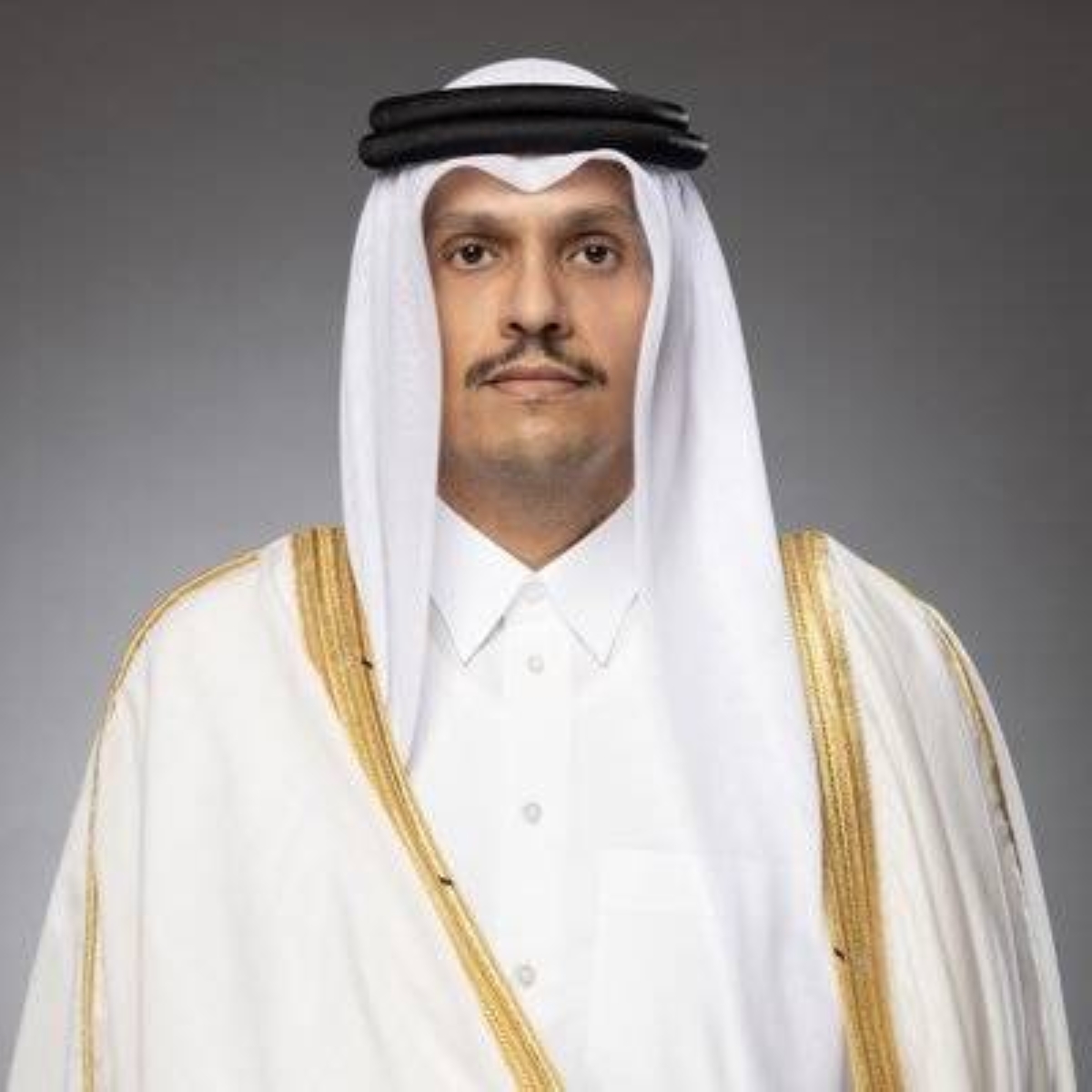
Just four days after receiving the Iranian proposal, President Donald Trump welcomed Qatar's Prime Minister Sheikh Mohammed bin Abdulrahman bin Jassim Al Thani to the White House for a closed-door meeting that would last 45 minutes. The session, described by diplomats as positive, represented a crucial juncture in the ongoing efforts to address the Iranian nuclear issue. As the two leaders discussed the complex geopolitical landscape, the focus remained on finding a path forward that might avoid military confrontation while addressing international concerns about Iran's nuclear program.
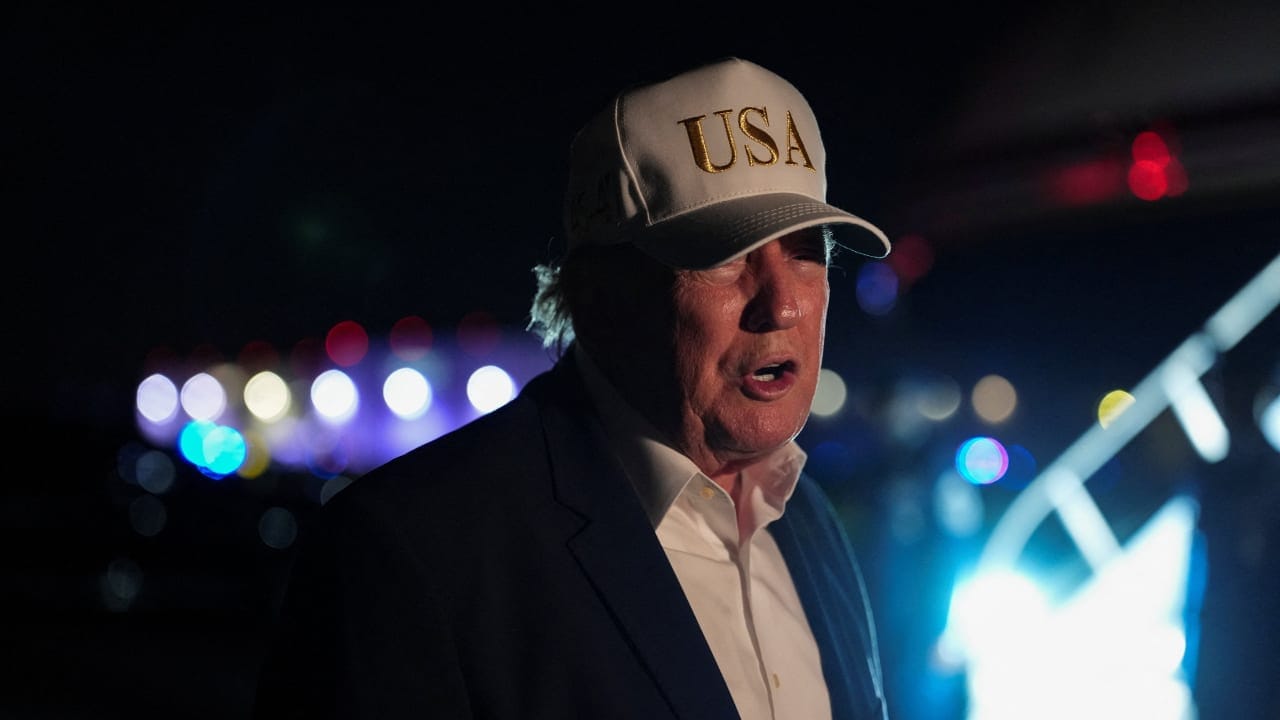
During the meeting, Trump emphasized a notable alignment of interests among Gulf nations. "Qatar would rather see a peaceful solution. Saudi Arabia would also rather see a peaceful solution," the president stated, highlighting the apparent consensus among key regional players. This unified stance suggested a potential shift in the dynamics of Middle Eastern diplomacy, where historical rivalries and competing interests have often complicated efforts to address shared security concerns. The apparent convergence of positions between Qatar and Saudi Arabia on the Iranian issue marked a significant development in regional diplomacy.
The proposal's presentation set in motion a series of diplomatic exchanges that would culminate in the White House meeting.
The Iranian nuclear proposal that Qatar presented to the United States represented the culmination of two days of intensive diplomatic work. The proposal's presentation set in motion a series of diplomatic exchanges that would culminate in the White House meeting.

Trump says Qatar, Saudi prefer peace in Iran conflict - https://t.co/oR96JjIc9Q
Throughout the discussions, Trump maintained a carefully calibrated position, emphasizing both the preference for peaceful resolution and the continued military readiness of the United States. "We're ready to go anytime we want. We'll see where it goes. I'm prepared," the president stated, underscoring the administration's continued military options even as diplomatic channels remained open. This dual message reflected the administration's approach of maintaining pressure on Iran while leaving room for negotiation. Trump's comments built upon his earlier assessment that military strikes would be "highly unlikely" if peace talks progressed, suggesting a conditional approach to potential military action.
As the meeting concluded, diplomats expressed cautious optimism about the potential for progress. The positive characterization of the talks suggested that diplomatic channels remained viable, even as fundamental disagreements likely persisted. Qatar's continued role as mediator indicated that the small Gulf state had established itself as a trusted intermediary capable of engaging with both Iran and the United States. The developments represented a significant, though still preliminary, step in what would likely be a prolonged diplomatic process aimed at addressing the complex challenges posed by Iran's nuclear program and the broader regional tensions.

🚨 IRAN HACKED FRENCH SUPERMARKET FREEZERS France says IRGC cyber unit Shahid Kaveh remotely spiked fridge temperatures above 50°C across ~700 stores. Food spoiled. Some units caught fire. Paris summons Iran's ambassador and vows EU sanctions.
In the immediate aftermath of the Trump-Qatar meeting, the situation remained fluid, with diplomatic efforts continuing alongside the underlying tensions that have characterized the relationship between Iran and the United States. The presentation of the Iranian proposal and the subsequent high-level discussions suggested that all parties recognized the potential costs of continued confrontation, even as fundamental disagreements persisted. As the region watched closely, the delicate balance between diplomatic engagement and military readiness continued to define the approach to one of the Middle East's most persistent challenges.