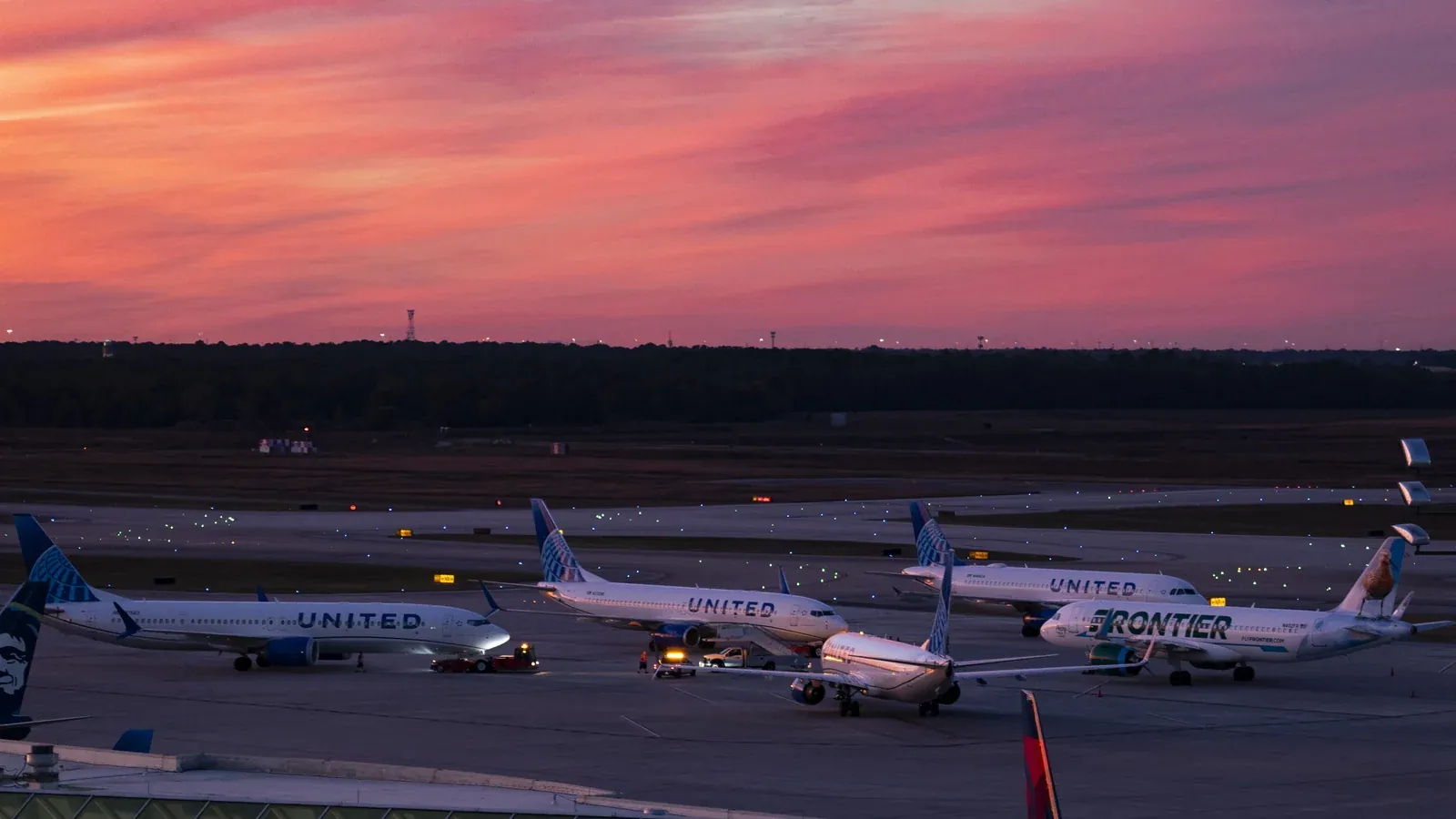
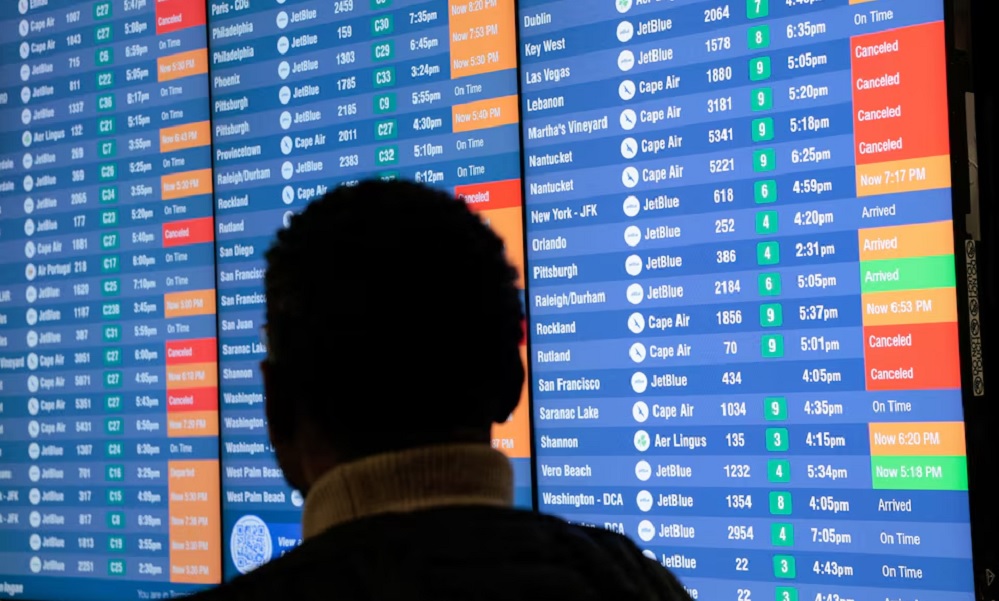
For thousands of travelers across the United States, the journey came to an abrupt, frustrating halt on February 21, 2025. A critical communications and radar systems failure within the nation’s air traffic control centers forced a nationwide ground stop, effectively freezing the country’s airspace. The ripple effects were immediate and severe: over 6,600 flights were canceled, and another 8,600 were delayed, leaving passengers stranded and airports in chaos. It was not until 8:15 p.m. Eastern Time that the Federal Aviation Administration (FAA) was finally able to lift the ground stop, allowing for a slow, gradual reopening of the skies.
Transportation Secretary Sean Duffy, speaking in the aftermath of the disruption, offered a blunt explanation for the collapse: the system simply could not handle the load. According to Duffy, the failure was rooted in the digital plumbing of the air traffic control network. "Our switches, our routers actually got overloaded with data and they started to give us inconsistencies in the data from those routers," Duffy explained. "And because of that, we shut the system down."
This was not merely a technical glitch; it was a symptom of a broader, long-standing vulnerability. The incident served as a stark reminder of the fragile state of the national airspace system, which has struggled with aging infrastructure and recent safety incidents. The urgency of the situation was underscored by the memory of a tragedy earlier that year, when a midair collision at Ronald Reagan Washington National Airport on January 1, 2025, claimed 67 lives.
This figure represents a significant escalation from previous discussions.
In the hours following the reopening of the airspace, the Trump administration moved quickly to pivot from crisis management to a major legislative push. Transportation Secretary Duffy, joined by Homeland Security Secretary Markwayne Mullin, briefed President Donald Trump on the outage. The administration’s response was swift and decisive: they increased their request for air traffic control funding to $50 billion.
This figure represents a significant escalation from previous discussions. While the White House and the Department of Transportation had previously urged for $30.1 billion in upgrades, the administration now views the situation as an urgent national priority. "This is an emergency," Duffy stated, making his case to Congress. "I want Congress to give us emergency funding… I want $50bn." He challenged lawmakers directly, asking, "What's more important than having an air traffic control system that actually works? Give us the money to fix it."
As the administration rallies behind the $50 billion proposal, the pressure on Congress is mounting. OMB Director Russell Vought has joined Duffy in urging lawmakers to approve the funds, framing the investment as a necessary step to modernize the aging system and prevent future failures.
However, the path forward remains uncertain. The scale of the disruption has already spilled into the following days, with 1,500 flights already canceled for the upcoming Sunday. As the aviation industry attempts to recover from the backlog, the debate over how to fund the future of American flight is only just beginning. For Secretary Duffy, the message to Capitol Hill is clear: the current infrastructure is not just outdated—it is a liability that the country can no longer afford to ignore.