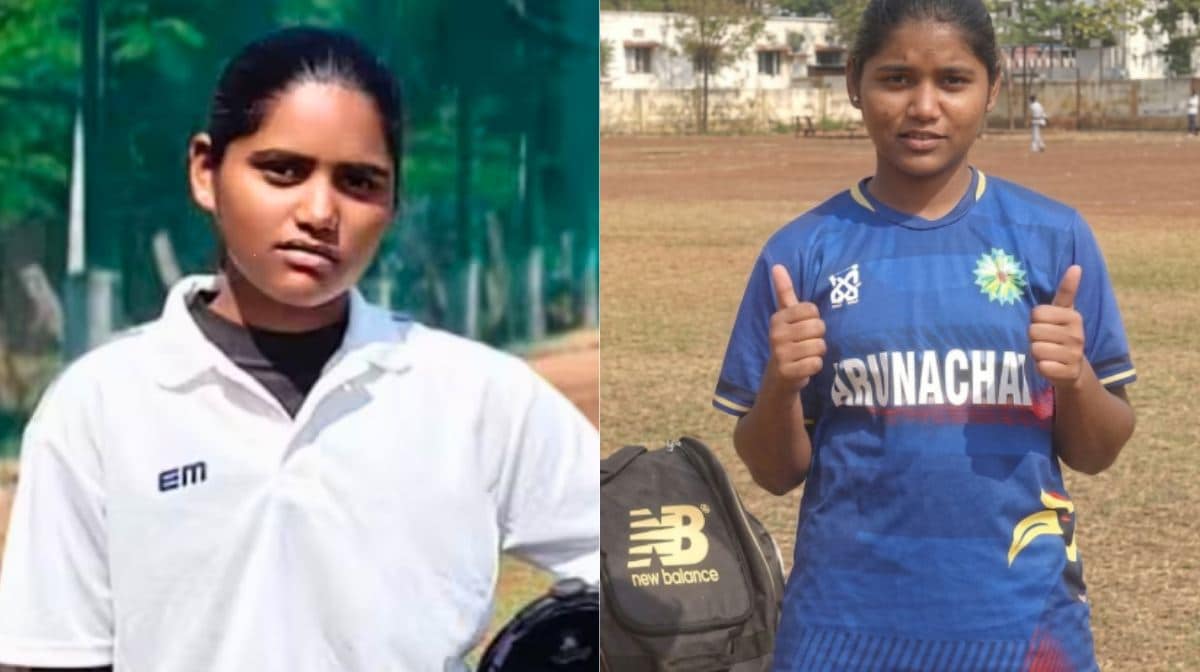
In the quiet town of Vikarabad, Telangana, the trajectory of a young life was abruptly and tragically altered. Nandini, a 17-year-old athlete who had recently achieved the significant milestone of being selected for the BCCI U-19 cricket team, was found dead at her maternal uncle’s residence. For a teenager on the cusp of a promising sporting career, the news of her death has sent shockwaves through her community, transforming a home that should have been a place of refuge into the site of a profound investigation.

The sequence of events began to unfold on the morning of November 14, 2026. According to Vikarabad Circle Inspector Raghu, the local police received notification of the tragedy at approximately 9 am. The suddenness of the discovery left little room for immediate clarity, prompting the authorities to initiate a formal investigation into what was initially classified as a case of suspicious death. As the news spread, the focus shifted rapidly from the shock of the loss to the circumstances that might have led a young, high-achieving athlete to take her own life.
While the police began their procedural work, Nandini’s family offered a harrowing account of the months leading up to the tragedy. They have alleged that their daughter was the target of persistent and unwanted attention from two local youths, identified as Anil and his friend, Krishna. According to the family, the two men had been engaged in a pattern of sustained harassment and stalking, allegedly pressuring the teenager into a romantic relationship that she had consistently and clearly refused. The family contends that this relentless pursuit was not merely a series of isolated incidents, but a campaign of pressure that ultimately pushed the young cricketer to a breaking point.
Recognizing this, investigators have moved to secure the digital footprint left behind by the young cricketer.
By November 14, 2026, the grief of the family had transformed into a public call for justice. Relatives and supporters gathered to stage a protest, blocking a local road in a visceral display of their demand for accountability. The protest served as a stark indicator of the community's frustration and their belief that the death was not an inevitable tragedy, but the result of the actions of others. The family’s insistence that Anil and Krishna were responsible for driving Nandini to suicide placed the behavior of these two individuals at the very center of the legal inquiry.
In the modern era, the lives of teenagers are often documented as much in the digital realm as in the physical one. Recognizing this, investigators have moved to secure the digital footprint left behind by the young cricketer. Inspector Raghu confirmed that the police have seized Nandini’s mobile phone as part of their evidence-gathering process. The objective is to conduct a thorough forensic examination of her social media accounts, including Instagram, Facebook, and WhatsApp. As Raghu noted, the goal is to "ascertain whether anyone had been harassing or troubling her through social media." This digital evidence is expected to be a critical component in determining the nature and extent of the interactions she had with the accused.
Following the initial investigation and the mounting pressure from the family, the police took decisive legal action on November 14, 2026. Authorities officially registered a case against Anil and Krishna for the abetment of suicide. This legal step marks a significant escalation in the case, moving it from a suspicious death investigation to a criminal matter involving specific allegations of culpability. The police have also conducted a post-mortem examination to gather medical evidence, which, combined with the digital records, will form the foundation of the case against the two men.
As the investigation continues, the focus remains on the intersection of personal tragedy and legal responsibility. The authorities have pledged that, based on the findings from the forensic analysis of her communications, appropriate action will be taken against those found responsible. For now, the town of Vikarabad is left to grapple with the loss of a young woman who had earned her place on the national stage, only to have her future silenced by the very real, and often hidden, dangers of harassment. The case now rests on the ability of the legal system to untangle the events that occurred behind closed doors and on the screens of a teenager’s phone, seeking a measure of justice for a life cut far too short.