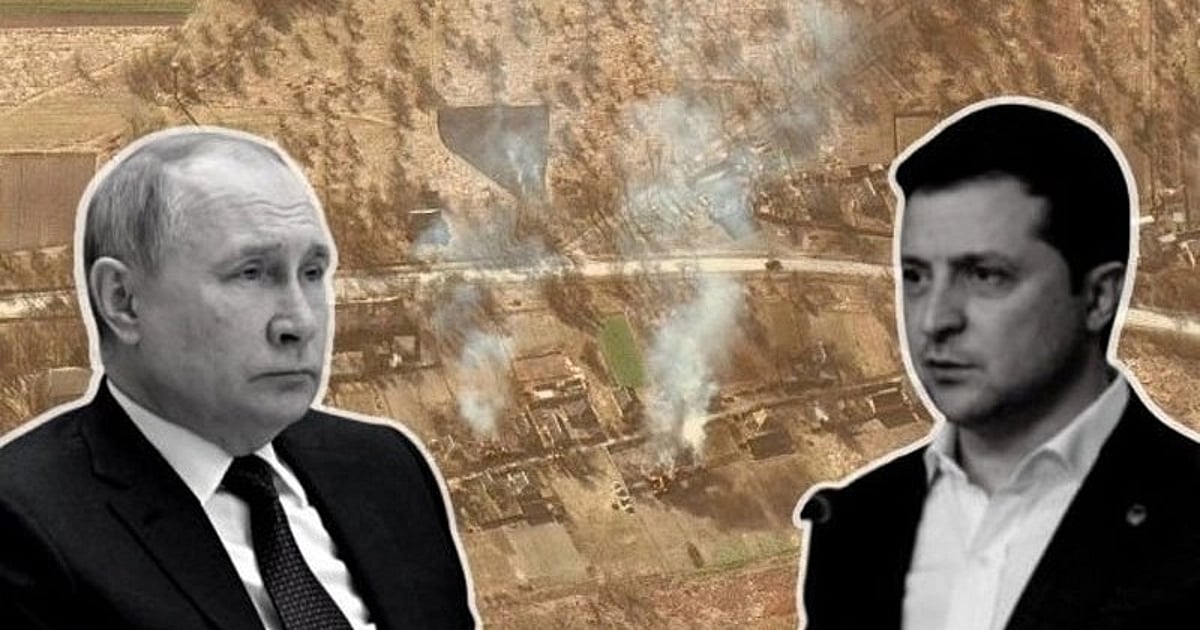
In the high-stakes theater of international diplomacy, progress is rarely measured in grand treaties or the sudden cessation of gunfire. More often, it is measured in the quiet, heavy relief of families waiting for news of a loved one. In Abu Dhabi, amidst the intense heat and the even more intense pressure of two days of peace talks, a different kind of victory emerged—one measured not in territory, but in human lives.
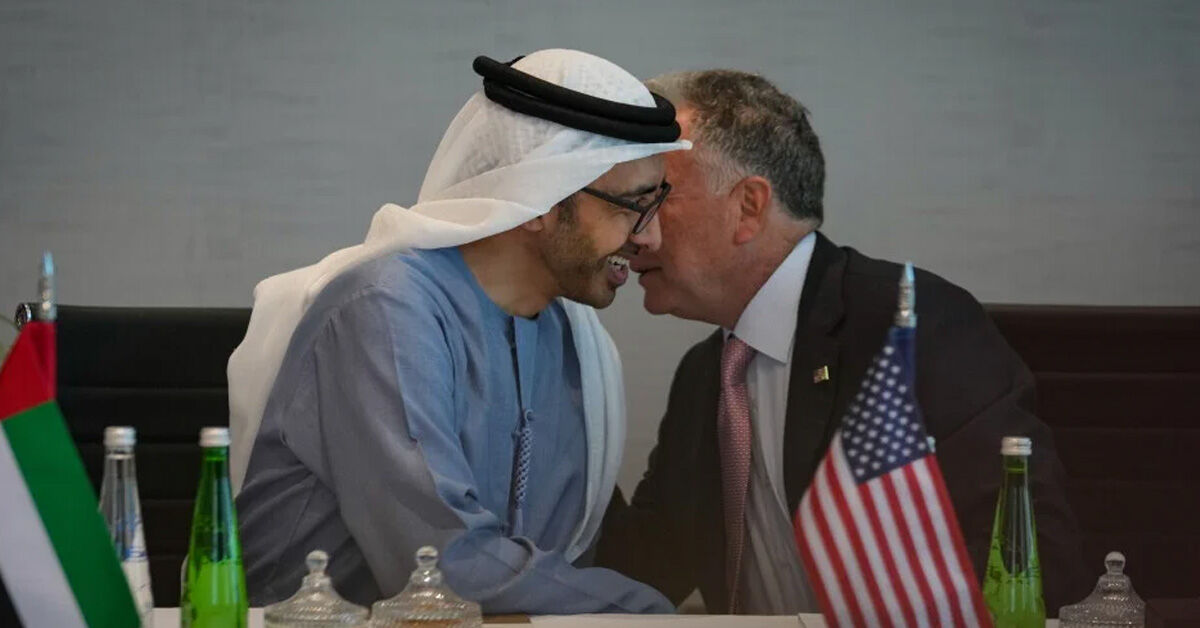
On November 11, 2026, following two days of negotiations between Russia and Ukraine, an agreement was reached for what is poised to become the largest exchange of prisoners of war in recent history. For a moment, the grinding machinery of war paused to allow for a humanitarian concession, a rare instance of consensus in a conflict defined by its refusal to bend.
The negotiations, mediated by the United States, sought to bridge a chasm that has widened since previous talks in Geneva failed on February 1, 2023. The discussions in Abu Dhabi were not designed to solve the war, but to find a way to navigate its most agonizing human cost. The scale of the proposed movement is staggering: discussions centered on the potential exchange of between 1,000 and 1,500 prisoners.
While the prisoner exchange offers a path forward for individuals, it has done nothing to move the needle on the fundamental drivers of the war.
Jared Kushner, acting as an American negotiator, was quick to frame the outcome through a lens of humanitarian necessity. In a social media post on November 12, 2026, Kushner described the development as a "significant humanitarian breakthrough." He emphasized that such an agreement does more than just move people across borders; it serves to reunite families, build a modicum of trust, and create the slim, necessary possibilities for future peace.
While the diplomatic language remains carefully calibrated, the numbers tell a story of immense human stakes. President Volodymyr Zelenskyy noted the potential scale of the operation, suggesting that "the number could rise to 1,500." If realized, this exchange would represent a massive logistical and emotional undertaking, pulling thousands of individuals out of the machinery of combat and back into the lives of their kin.
Kushner echoed this sentiment, noting that "the positive aspect of the talks is that they agreed to the release of prisoners on a very humanitarian basis." It is a victory of the individual over the state, a temporary reprieve granted in a landscape where the states themselves remain locked in a struggle for survival and dominance.
However, the humanitarian success in Abu Dhabi stands in stark contrast to the political paralysis that continues to define the conflict. While the prisoner exchange offers a path forward for individuals, it has done nothing to move the needle on the fundamental drivers of the war. The talks failed to yield any progress on the most volatile issues: the establishment of a ceasefire or the resolution of territorial disputes.
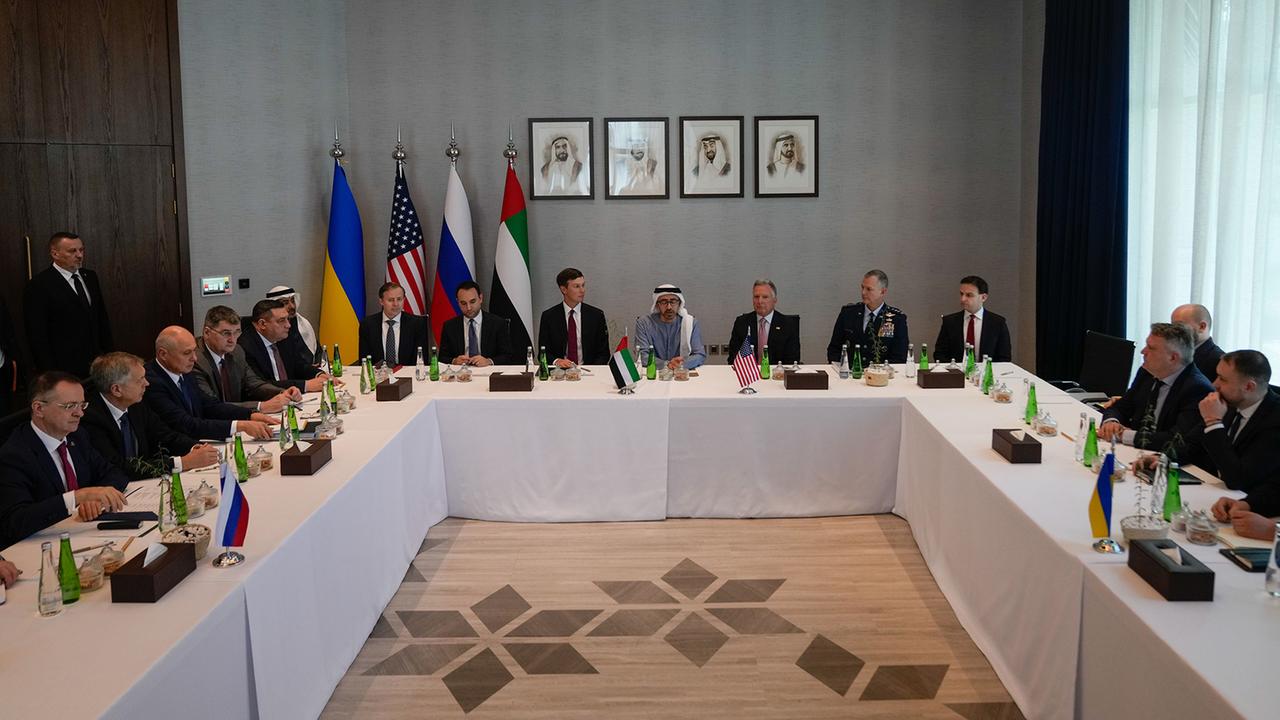
Despite the agreement on the prisoners, the core grievances remain as sharp as ever. Russia continues to insist that Ukraine withdraw from the east Donbas region, a demand that strikes at the very heart of Ukrainian sovereignty. On the other side, Zelenskyy maintains that the most critical territorial decisions cannot be made through mere negotiation, arguing instead that such decisions must be resolved at the leadership level.
The atmosphere surrounding the talks was far from harmonious. Even as the agreement was being forged, the ideological divide was palpable. Vladimir Medinsky, the head of the Russian negotiating delegation, provided a glimpse into the deep-seated skepticism that persists within the Kremlin. Despite confirming the agreement for the large-scale swap, Medinsky expressed a profound lack of faith in the broader diplomatic process, stating, "We do not understand what there is to discuss with them."
This sentiment underscores the difficulty of the American-led mediation. While the U.S. has successfully facilitated this specific humanitarian corridor, the broader goal of a political settlement remains elusive. Russia has also remained firm in its refusal to yield to calls for an immediate ceasefire, suggesting that the momentum gained from the prisoner exchange may not translate into a cessation of hostilities.
As the delegates depart Abu Dhabi, the focus shifts from the negotiating table to the logistical reality of the exchange. The agreement is a testament to what can be achieved when the focus is narrowed to a single, undeniable human need. It is a victory, but a localized one.
In the wake of the talks, the diplomatic machinery continues to churn. Rustem Umerov noted that Ukraine’s delegation held further discussions with European partners on Wednesday, signaling that while the prisoner exchange is a milestone, the broader struggle for security and territorial integrity continues unabated. For now, the world watches to see if these 1,500 lives can serve as a foundation for something more, or if they are merely a brief pause in an ongoing tragedy.