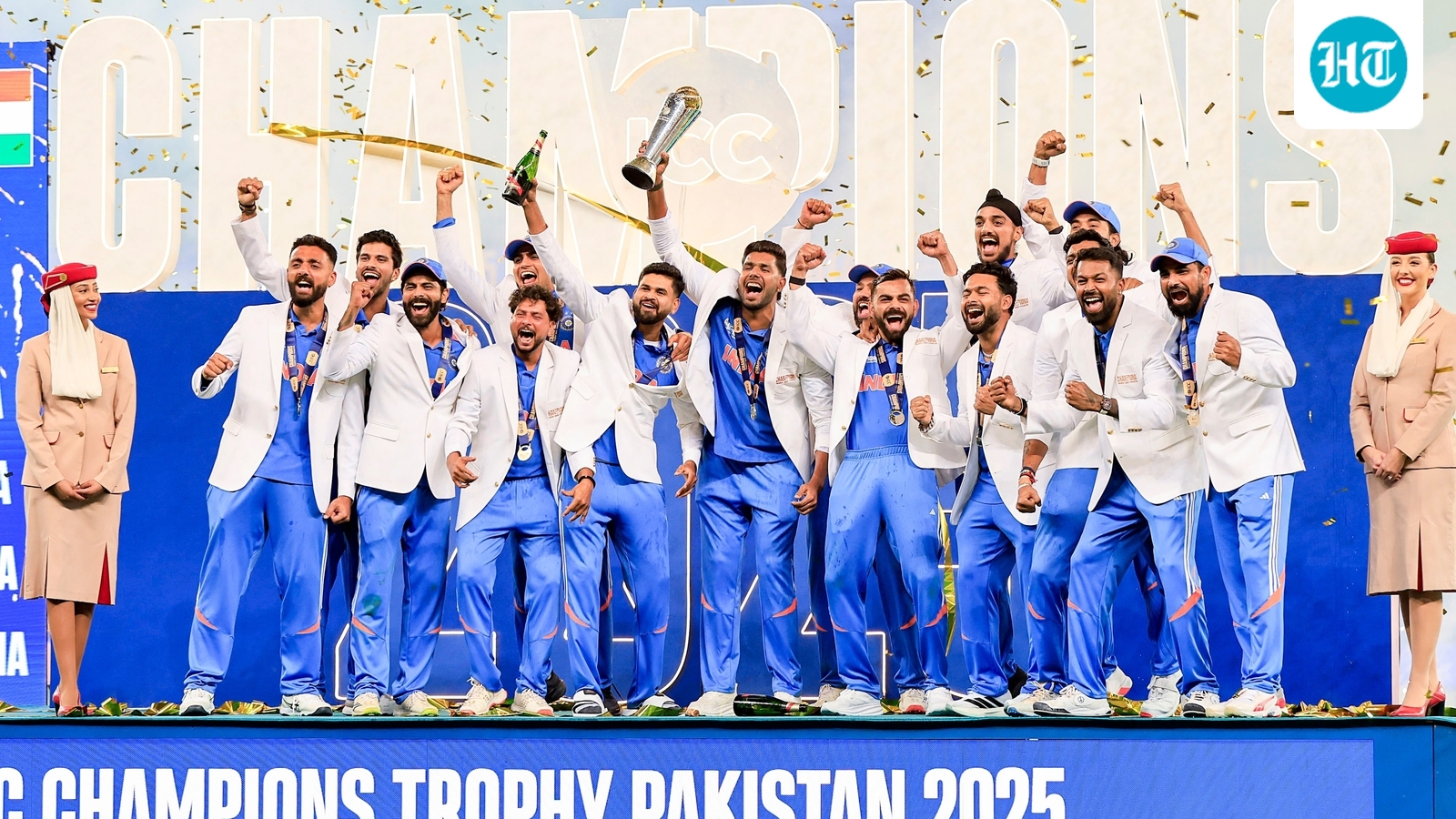
For cricket fans across the world, the recent announcement by the International Cricket Council (ICC) carries a weight that extends far beyond the sport itself. The ICC, which serves as the governing body for international cricket, has officially designated India as the host for the Champions Trophy in 2029. While the specific details of the tournament structure can sometimes feel abstract to casual observers, the location of these events serves as the heartbeat of the sport, drawing global attention and immense cultural pride to the host nation.

The Champions Trophy is one of the premier tournaments in the limited-overs cricket calendar. For a reader new to the nuances of the ICC’s planning cycles, it is helpful to understand that these decisions are made years in advance to allow for infrastructure development, ticketing sales, and promotional efforts. This early confirmation provides stability for the cricket ecosystem, allowing players, broadcasters, and fans alike to plan around one of the most anticipated events in the sport.
Moving forward in the timeline, the ICC announced that the ODI World Cup in 2031 will be a joint effort, co-hosted by India and Bangladesh. This distinction is crucial to understanding the future landscape of international cricket. The ODI World Cup is the flagship event of the One-Day International format, bringing together the world’s top national teams in a high-stakes competition. Unlike the Champions Trophy, which often features a more limited field of elite teams, the World Cup represents the global standard of the sport.
The cycle ensures that there is a continuous pipeline of major events, preventing a lull in global attention and allowing the sport to maintain its momentum.
For newcomers to the sport, it is important to note that co-hosting large-scale tournaments allows for a distributed logistical load and can help grow the sport in neighboring regions by exposing more fans to world-class cricket.
These two announcements are part of the next ICC cycle, a term that refers to the multi-year planning horizon in which the governing body allocates major tournaments. The cycle ensures that there is a continuous pipeline of major events, preventing a lull in global attention and allowing the sport to maintain its momentum.
As the dates 2029 and 2031 move from administrative announcements to tangible realities on the calendar, the focus will shift to the preparation phase. This includes the development of venues, the organization of local teams, and the marketing of the events to a global audience. The neutral stance of the ICC in these announcements is standard protocol, as the governing body’s role is to allocate resources and schedule events based on merit, capacity, and strategic growth objectives.
For the global cricket community, the next few years will be defined by anticipation for these two events. The Champions Trophy in 2029 will serve as the first major test of this new cycle’s ambitions, while the 2031 World Cup will represent the culmination of the shared effort between India and Bangladesh. Together, these tournaments will not only decide the best teams in the sport but will also shape the future of cricket as a global spectacle, rooted in the rich traditions of its host nations. As the details continue to emerge, one thing is clear: the next chapter of international cricket will be written largely in the stadiums of South Asia.