On November 22, 2026, the political landscape in Kathmandu shifted, albeit briefly, as Prime Minister Balendra Shah embarked on an official state visit to India. Such journeys are rarely solitary affairs; they represent a choreographed dance of statecraft designed to reinforce regional ties and address bilateral concerns. For this two-day visit, Prime Minister Shah accepted an invitation extended by Indian Prime Minister Narendra Modi, signaling a moment of focused engagement between the two neighboring nations. The delegation accompanying the Prime Minister reflects the gravity of the mission, including Finance Minister Dr. Swarnim Wagle and Foreign Minister Shisir Khanal, both of whom play pivotal roles in the economic and diplomatic corridors of the Nepali government.

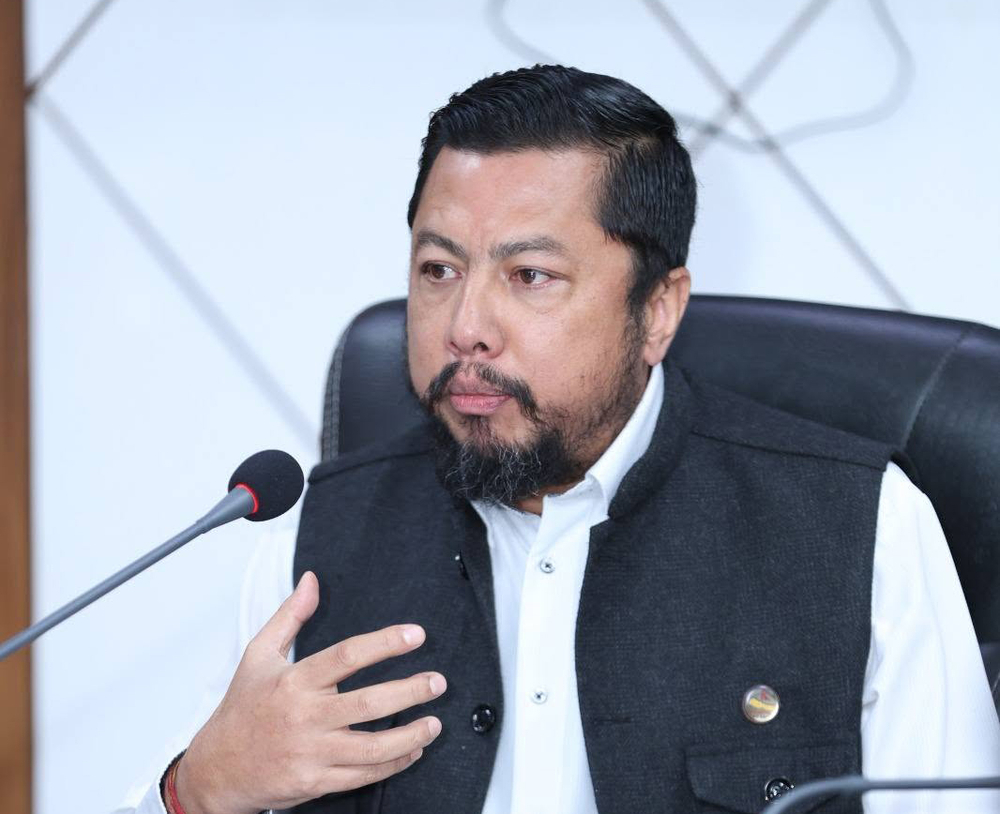
With the Prime Minister and two of his key cabinet members abroad, the machinery of government requires a steady hand to manage day-to-day administrative affairs. To ensure continuity, the responsibility of Acting Prime Minister has been assigned to Biraj Bhakta Shrestha, who currently serves as the Minister of Energy, Water Resources and Irrigation. This designation is not merely a formality; it is a constitutional necessity to prevent a power vacuum, ensuring that the essential functions of the state continue uninterrupted while the head of government is occupied with international diplomacy.
The process of installing an acting leader follows a structured path of executive authority. President Ram Chandra Paudel received the formal recommendation to designate Shrestha as the interim head of government. By acting on this recommendation, the President has effectively empowered Shrestha to oversee the executive branch during the Prime Minister’s absence. This transition highlights the established protocols within Nepal’s governance structure, where specific cabinet members are groomed and trusted to step into the highest office when the Prime Minister is physically removed from the country.
The primary objective of Prime Minister Shah’s visit is to engage in high-level dialogue with the Indian leadership.
Biraj Bhakta Shrestha’s elevation to Acting Prime Minister brings a seasoned administrator to the forefront. As the Minister of Energy, Water Resources and Irrigation, Shrestha is already deeply embedded in the complex infrastructure and resource management challenges that define much of Nepal’s domestic policy. His familiarity with the inner workings of the cabinet and the logistical demands of the government makes him a logical choice to maintain stability during the Prime Minister’s two-day trip. While his tenure in this acting capacity is brief, it underscores the importance of the energy portfolio in the broader context of national security and economic development.
The primary objective of Prime Minister Shah’s visit is to engage in high-level dialogue with the Indian leadership. The itinerary is packed with significant meetings, most notably with Indian President Droupadi Murmu and substantive talks with Prime Minister Narendra Modi. These interactions are intended to bridge gaps and foster cooperation, touching upon the multifaceted relationship between India and Nepal. For the Prime Minister, the success of these two days hinges on his ability to align interests with his Indian counterparts, a task that requires the full support of his accompanying ministers.
While the Prime Minister navigates the complexities of international relations in India, the domestic front remains under the stewardship of Shrestha. The administrative transition is designed to be seamless, allowing the government to function without the friction that often accompanies leadership changes. By delegating authority to a trusted minister, the administration demonstrates a commitment to stability. As the country looks toward the return of its Prime Minister, the current arrangement serves as a testament to the resilience of Nepal’s institutional framework, ensuring that even in the absence of its primary leader, the state remains anchored and responsive to the needs of its citizens.