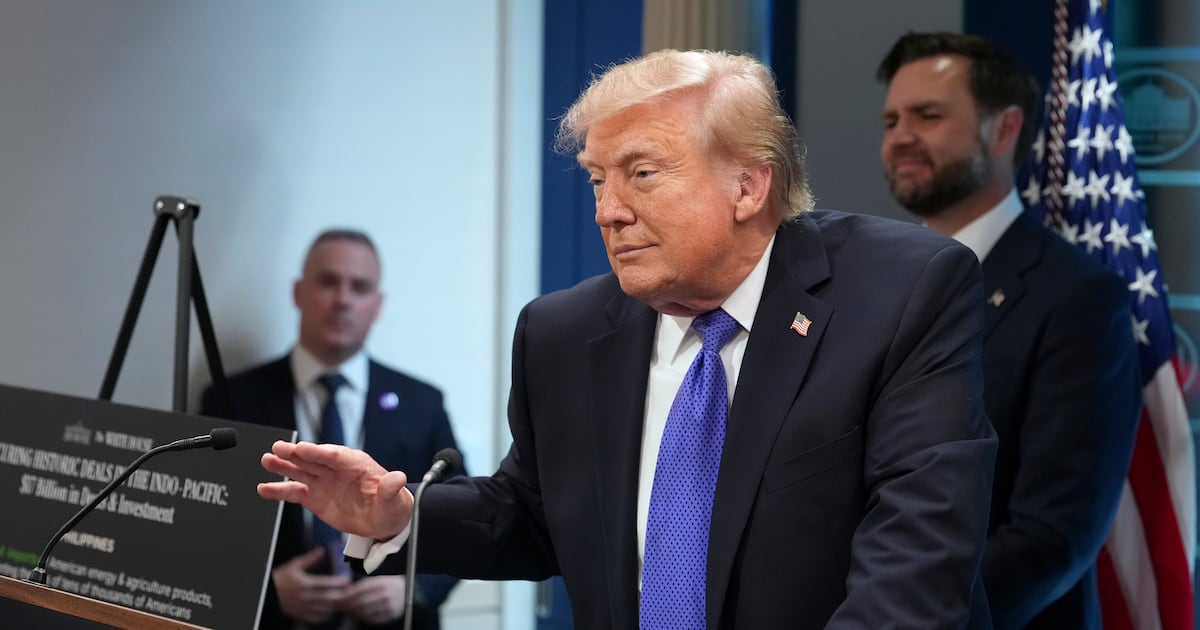
On a crisp November morning in Washington, President Donald J. Trump stood at the White House podium and delivered an ultimatum to America's tech giants: Build your artificial intelligence data centers in the United States, or face severe consequences. "We're going to put tremendous penalties on companies that try and do it," Trump declared during a press briefing, his voice carrying the weight of a commander-in-chief drawing a new line in the sand.
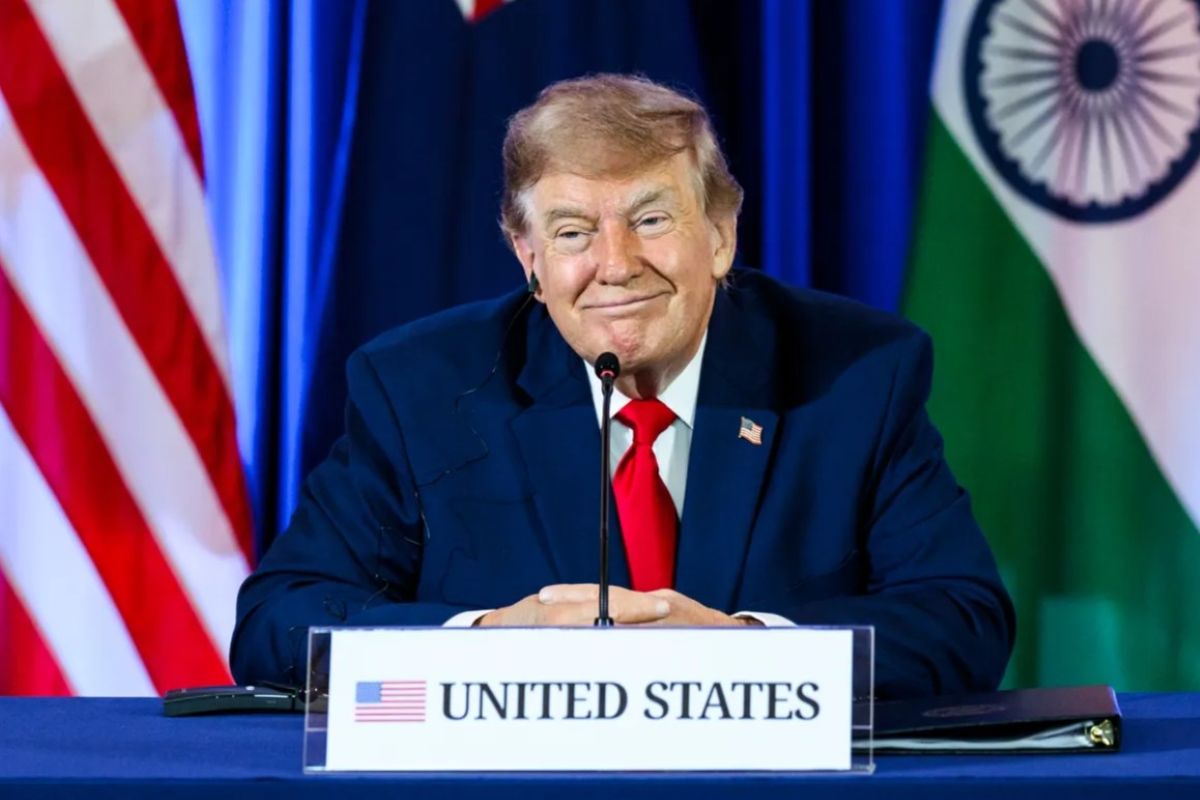
The president's warning was rooted in a familiar refrain from his administration's playbook: the looming threat from China. "We're not allowing data centres to go into other countries because China will take all of them, and we're not allowing that to happen," Trump asserted, framing the issue as a matter of national security. The implication was clear: American technological advancement must happen on American soil, under American oversight, or risk falling into the hands of a geopolitical rival.

NEW: President Trump announces plans to impose "tremendous penalties" on U.S. companies that build data centers in foreign countries.
Just a day before Trump's announcement, the U.S. Senate had passed bipartisan legislation aimed at accelerating energy infrastructure projects. This measure, approved on Thursday, promised to shorten the timeline for starting major energy initiatives—a move Trump immediately praised. The timing suggested a coordinated approach: first, grease the wheels for domestic energy projects that would power the AI revolution, then ensure the computing infrastructure itself remained within U.S. borders.
Despite the strong rhetoric, Trump offered few details about how his administration would implement such penalties.
For American technology companies, Trump's pronouncements presented a potential dilemma. Many have global operations and have traditionally located data centers where they make the most economic sense—often near power sources, skilled workforces, or major markets. The president's directive, however, seemed to prioritize geopolitical considerations over these traditional business calculations. "We want them to build it here," Trump stated bluntly, leaving little room for negotiation.

Trump threatens ‘tremendous penalties’ on US tech firms that build datacenters abroad #TheGuardian https://t.co/0xKmc9JxBP
Despite the strong rhetoric, Trump offered few details about how his administration would implement such penalties. He acknowledged that he had not yet informed his own officials about this plan, raising questions about how quickly such a policy could be put into practice. The vagueness surrounding enforcement mechanisms left industry observers wondering whether this was a firm policy direction or more of a negotiating tactic.
Trump did suggest a potential upside for communities hosting data centers, urging Americans to "take advantage of the data centres. Make them pay you, make them pay your community, but don't shut them off." This hinted at a possible quid pro quo approach, where localities might extract concessions from developers in exchange for hosting the facilities. The president also predicted that such a policy would "cause tremendous amounts of new building," suggesting economic growth as one potential benefit of keeping data centers domestic.

President Trump says he won't allow companies to build data centers overseas threatening steep financial penalties for those that do. He also vowed to “fight hard” to keep the data center buildout in the U.S. https://t.co/Po4FiZ4U19
As of mid-November 2026, Trump's threat represented a significant shift in how the United States approaches technological infrastructure development. While the Senate's energy legislation had already begun to reshape the regulatory landscape for major projects, the president's explicit warning about overseas data centers opened a new front in the ongoing effort to maintain American technological supremacy. The tech industry now faces the prospect of navigating an evolving policy landscape where national security concerns increasingly trump traditional business considerations—a reality that could reshape the global architecture of artificial intelligence development for years to come.