
In the complex theater of international relations, even the most carefully coordinated military operations can become sources of diplomatic friction. Such is the case unfolding between Italy and Ukraine, where the sinking of a Russian warship in Libyan waters has exposed a fundamental disagreement about prior coordination between allies. At the center of this storm are Ukrainian President Volodymyr Zelensky and Italian Foreign Minister Antonio Tajani, who have offered starkly different accounts of whether Ukraine consulted with partners before striking the Russian corvette Mercury.
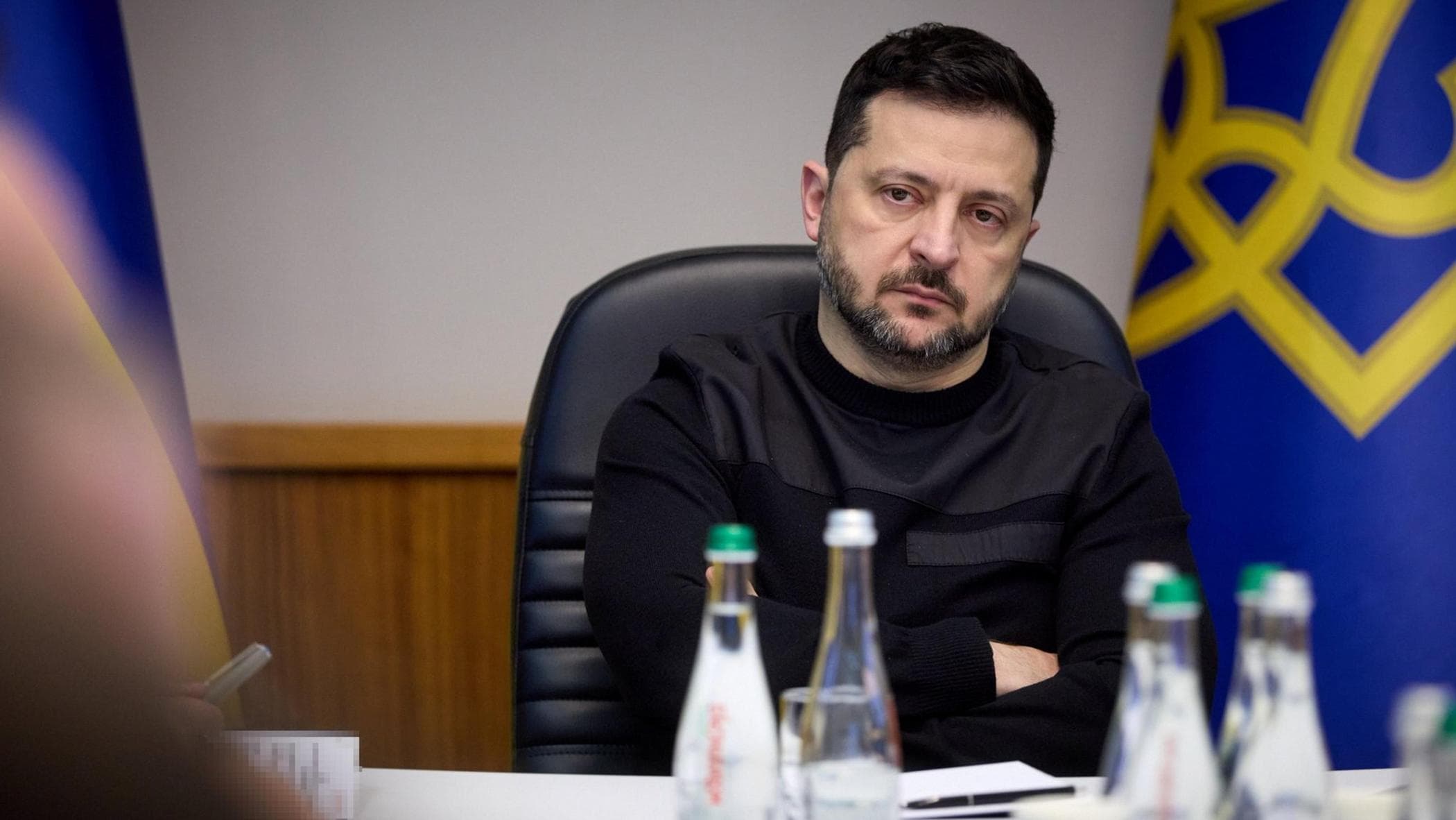
On November 20, 2026, Ukrainian forces targeted and sank the Russian corvette Mercury in Libyan territorial waters. The operation, while significant in its own right, has become the focal point of an increasingly heated diplomatic exchange. Zelensky has defended the legitimacy of the attack, emphasizing that Ukrainian forces never conduct such operations without coordination with partners. "The armed forces of Ukraine never carry out attacks without coordination with other partners," Zelensky stated, according to the Italian translation of his remarks.
Ukraine's president has been clear about his country's stance regarding Russian naval vessels. "We know that a ship is under sanctions or is also carrying Russian weapons and is flying the Russian flag. All this is clear to our forces, security services, and intelligence," Zelensky explained. "We are very clear and transparent. We cannot allow Russian ships to attack us or transport weapons." This position underscores Ukraine's determination to counter what it perceives as threats from Russian naval assets, regardless of their location.
This perspective reflects Ukraine's broader strategy of countering Russian military capabilities wherever they may be found.
Italian Foreign Minister Antonio Tajani has responded forcefully to Zelensky's claims, rejecting any suggestion of prior coordination. "There has never been any coordination," Tajani declared during a press conference. "Even Minister of Foreign Affairs Sybiha said that in the future they will speak with allies. None of us had been informed, no one knew anything about what the Ukrainians were doing in Libya. What Zelensky said is not true." The Italian minister went even further, directly accusing the Ukrainian president of lying.
The incident involves a Russian warship armed with weapons, a fact that both sides acknowledge but interpret differently. For Ukraine, such vessels represent a legitimate target regardless of their location, as long as they pose a potential threat. "Ukraine cannot allow Russian ships with weapons to operate without punishment," Zelensky stated, according to the translation of his remarks. This perspective reflects Ukraine's broader strategy of countering Russian military capabilities wherever they may be found.
From Italy's perspective, the lack of prior coordination raises serious security concerns. The Mediterranean has become an increasingly volatile region, and the extension of the conflict into this theater presents new risks. In response to the incident, Italian Transport Minister Matteo Salvini convened an emergency meeting of the Interministerial Committee for Maritime Security on December 1, 2026. The meeting aimed to address the potential risks of the conflict spreading into Mediterranean waters and to establish clearer protocols for future operations.
The disagreement between Italy and Ukraine has created a notable diplomatic rift. While both countries remain allies in the broader context of supporting Ukraine against Russian aggression, this particular incident has highlighted differences in approach and communication. Tajani's insistence that "never was there any coordination" and his accusation that "what Zelensky said does not correspond to reality" represent a significant public rebuke of a fellow ally.
As the diplomatic tensions continue, both sides have indicated a desire for future dialogue. Zelensky has suggested that discussions with allies will take place, while Tajani has emphasized the need for better communication in the future. The incident serves as a reminder that even among allies, operational secrecy and differing strategic priorities can lead to misunderstandings with potentially serious consequences.
The clash over the Mercury attack represents more than just a disagreement about a single military operation. It tests the cohesion of international alliances and the mechanisms by which partners coordinate sensitive actions. As the situation continues to evolve, the Mediterranean may become an increasingly important theater in the broader conflict, requiring even closer coordination between allies to prevent misunderstandings and unintended escalation.