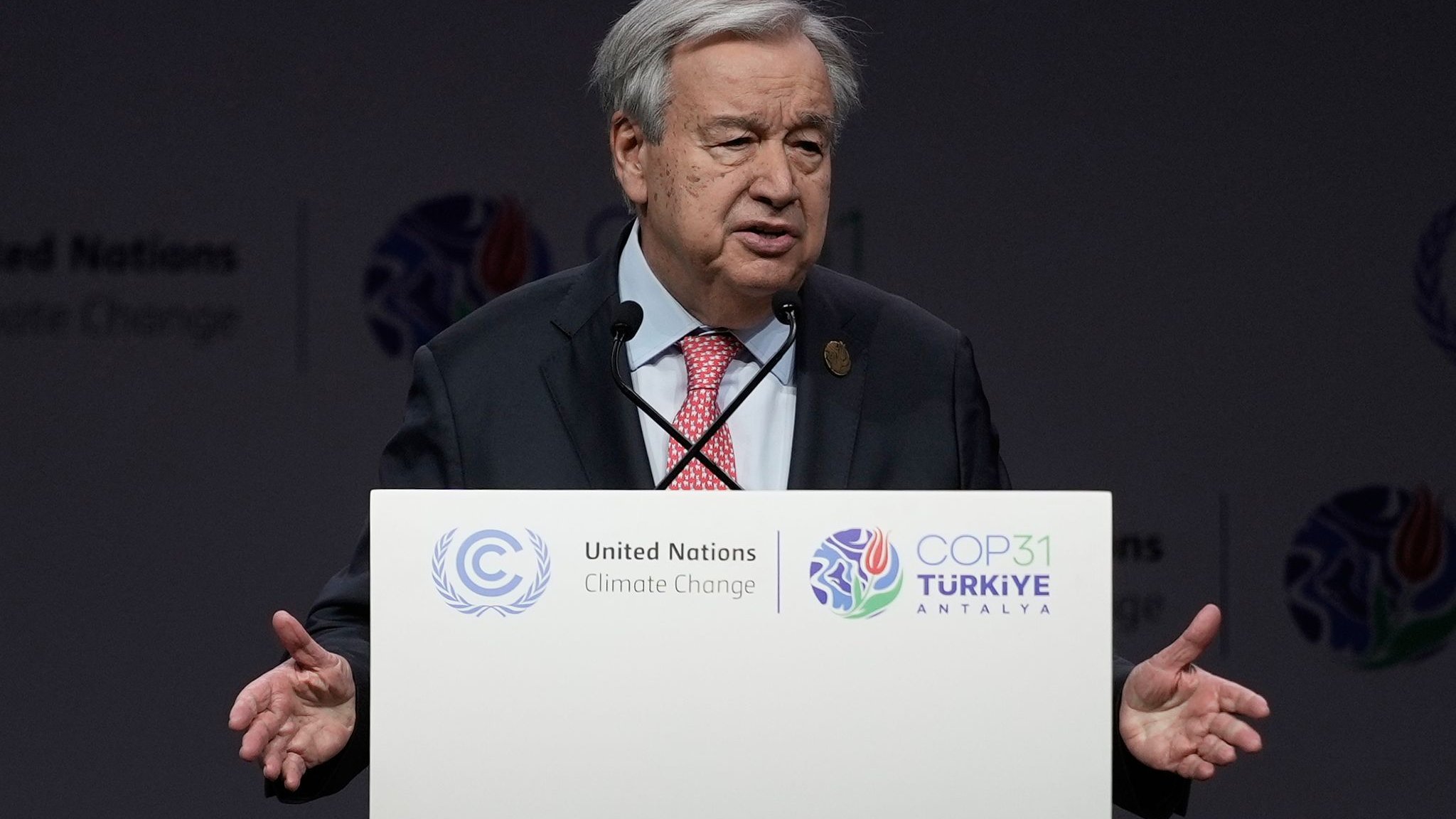
On Turkey's sun-drenched Mediterranean coast, a different kind of emergency unfolded this week. While the world's attention remains divided by wars and economic turmoil, nearly 200 nations sent negotiators to Cop31, the United Nations' latest attempt to address an existential threat that grows more urgent with each passing season. The summit has largely escaped the public notice afforded to other global crises, even as the climate crisis itself continues to accelerate, exacerbating conflicts and resource competition worldwide.

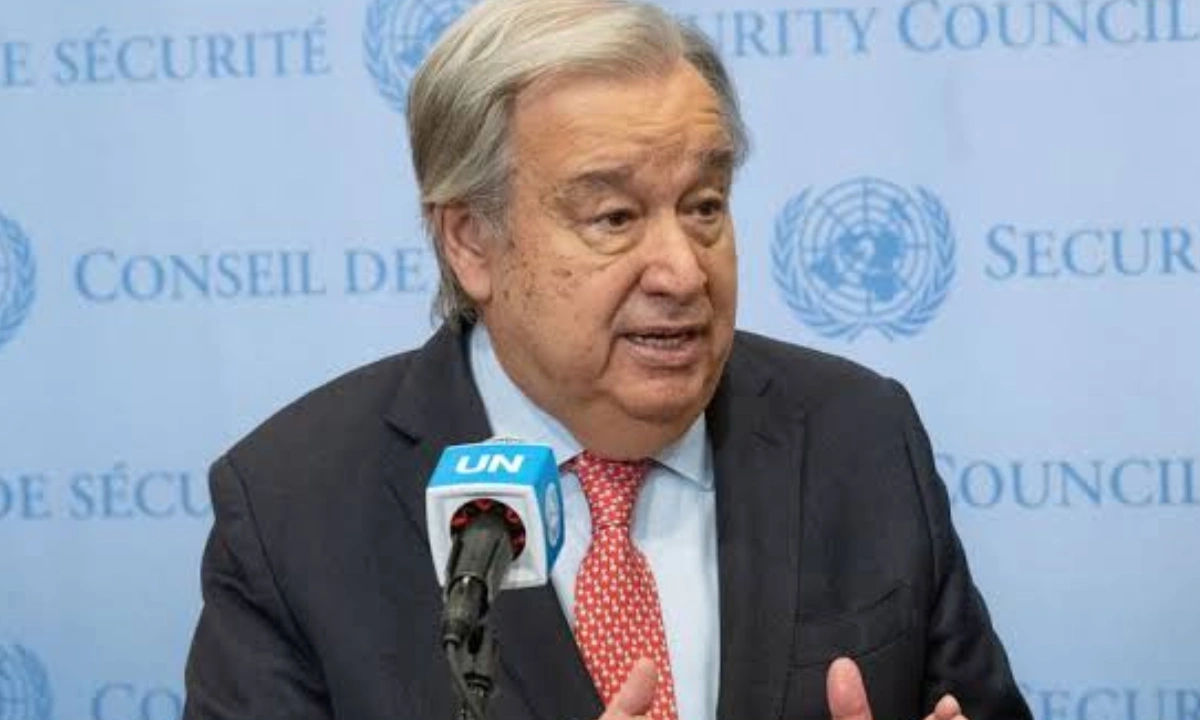
Wednesday brought a moment of clarity amid the diplomatic proceedings. UN Secretary-General Antônio Guterres stood before assembled leaders and delivered a message stripped of diplomatic niceties. "The brutal truth is that the climate crisis is outrunning us," he declared, his words carrying the weight of scientific consensus. "This is the path to mutually assured destruction."
The Portuguese diplomat, who has made climate action a cornerstone of his tenure, minced no words in his assessment of humanity's trajectory. His warning came not as a distant possibility but as an immediate reality, positioning the climate crisis not as a standalone issue but as a multiplier of global instability. In Guterres' view, the warming planet is not merely an environmental concern but a fundamental threat to international peace and security.
While wars and inflation dominate headlines, the climate crisis continues to intensify, driving extreme weather events, sea-level rise, and ecosystem collapse.
Guterres rejected the notion that the situation has become hopeless, instead framing scientific evidence as a call to intensified action. "But science is not telling us to surrender," he insisted. "It is telling us to fight harder."
At the heart of this intensified battle, he identified a single target: fossil fuels. "Fossil fuels must go the way of the dinosaurs," Guterres declared, invoking an extinction metaphor that underscored the finality of his message. This stark directive highlighted the urgency of the moment, contrasting the ancient past with the rapid pace of current climate change.
The Cop31 summit represents the latest attempt to revive global climate momentum after previous agreements have stalled. Negotiators face the complex task of agreeing on concrete measures to increase the share of electricity in global energy use—a critical step in decarbonizing the world's economy. The electricity transition, while essential, represents only one piece of a much larger puzzle that requires coordinated action across all sectors of the global economy.
The summit's relative obscurity stands in stark contrast to the urgency of its mission. While wars and inflation dominate headlines, the climate crisis continues to intensify, driving extreme weather events, sea-level rise, and ecosystem collapse. The disconnect between public attention and scientific reality presents a significant challenge for those advocating for accelerated action.
Complicating the transition is the uncomfortable reality that fossil fuel industries continue to benefit from global instability. As summit observers noted, oil and gas companies have profited significantly from the war in Iran, a stark reminder that geopolitical conflicts can inadvertently strengthen the very industries the world needs to phase out.
This profit paradox creates a perverse incentive system where the same economic forces that drive climate change are often amplified by the conflicts that climate change helps to create. The cycle represents one of the fundamental challenges of the energy transition: how to disentangle economic prosperity from fossil fuel dependence when short-term profits continue to flow from instability.
As the summit continues, the world stands at a critical juncture. The climate crisis, as Guterres framed it, is not merely a technical challenge to be solved through policy and innovation. It is a test of humanity's capacity for collective action in the face of shared existential risk.
The path forward requires not just technological solutions but a fundamental reorientation of global priorities. In the Mediterranean coastal city where diplomats gather, the contrast between the immediate crises commanding headlines and the slowly unfolding catastrophe of climate change could not be more stark. Yet as Guterres made clear, the time for choosing between attention and action has passed. The climate crisis outruns us all now, and only a united, determined response can alter our trajectory.